 I was in my then homeopath/MD’s office. I was trying to surreptitiously sneak a look at the books on his shelves. If I recall correctly, Morrison’s Desktop Guide is what I first spied. This was way back when we didn’t carry phones in our pockets or I would have just snapped a photo of the titles on his shelf.
Why didn’t I just ask him about good homeopathy books?!? Good question! Somehow it felt illicit. It makes no sense to me in hindsight. I have only ever been in a homeopathic bookstore in my dreams (and the nice image above Grok just made for me… I couldn’t get it to remove the crystals, though. oh, well). The closest I came was when I visited Natural Health Supply in Santa Fe, NM. They had flat shelves full of little treasures, mostly from B. Jain Publishers in India. They still have a web presence, but I don’t think they are actually in business any longer. A shame — they made nice remedies. Morrison’s Desktop Guide was not the first homeopathic book I purchased. (See here for a review of my first homeopathic book purchase.) I did eventually buy Morrison’s Desktop Guide (and I definitely recommend it) and hundreds of homeopathic books later… I have no regrets! Where to find homeopathic books Ainsworths has a tiny selection of books but an excellent selection of remedies! Aurum Project has their “book barn” listing many titles. Prices are in Australian dollars, so be sure to factor in the exchange rate and shipping. (At the time of writing, they appear to ship to the US.) BookScouter is a new one to me. Apparently, bookstores compete for your order. Try it out — some good titles on there! Emryss is the home to the publisher of the same name. In addition to some of the most beautiful books on homeopathy (Asteraceae and Sea Remedies), they also sell “test boxes” of remedies. For instance, Waterworld test box is a collection of remedies found in the books Waterworld and Sea Remedies in potencies 30, 200 and MK. Prices are in Euros so be sure to factor in the exchange rate and shipping. (At the time of writing, they appear to ship to the US.) Helios has a nice selection of books, including their own The Narayani Combination Remedies which is the least expensive version I have found. If you need to order some remedies, be sure to check out their books, too! They are in the UK, so remember to factor in the exchange rate and shipping. Dana Ullman’s homeopathic.com (one of my first stops when I began collecting homeopathic titles). An excellent selection. Quick service. A section for discounted books. Sometimes he offers a little bundle of books at an even greater discount. His titles are broken out into handy-dandy subjects, (i.e., introductory, women, history, miasms & nosodes, rare & antique.) He also sells some remedies and other goodies. The Homeopathic Book Company is part of The School of Health so you can see and buy the books which are used in their various courses. It appears you can buy each year’s books in a bundle at a nice discount. They also have a section of reduced/used books. They are in the UK, so remember to factor in the exchange rate and shipping. HSC Online is where I purchase a lot of my vials. While you’re picking up some 1/2 dram tubes, check out their selection of books. They are in the UK, so remember to factor in the exchange rate and shipping. (I just received a shipment from them the other day so I know they are currently shipping to the US.) Inner Traditions offers a small assortment of homeopathic books. Minerva Homeopathic Books has an excellent selection, all listed by various categories: methodology, dose and potency, bargains, new, etc., as well as some CDs and DVDs. They are in the UK, so remember to factor in the exchange rate and shipping. They send out too-tempting emails. You have been warned! Narayana Verlag is the website of the publisher by the same name. A few of their titles are: First Aid with Homeopathy, Burnett Rediscovered and Wondrous Order. They have an excellent selection of books and journals. However, they are currently NOT shipping to the US. Prices are in Euros, so be sure to remember to factor in the exchange rate and shipping (when they actually ship to us again). Taproots offers a small selection of books, but an excellent selection of remedy kits. Washington Homeopathic Products has an eclectic selection of books as well as Paola Brown’s homeschool curriculum. And, of course, you can buy their remedies, while you’re there! I love their kit refills — 1/2 drams!! Other sources for actual books: Some homeopathic titles (like Healing Complex Children with Homeopathy — so much info in that book!) are available for download on Amazon & Books — making it easier to search for relevant information later). Ebay and Abe Books are good options, too. Sources for online reading and downloading: American Institute of Homeopathy doesn’t sell books, but they do have a list of recommended titles. Free Book Centre has a very small collection of titles. Homeomart has a few interesting free titles, like Hahnemann’s Treatise on the Effects of Coffee and they sell remedies. Homopath International has a large selection of online books, including Paterson’s The Bowel Nosodes. Materia Medica has a handful of books available to browse for free. Including Boger and Boericke. National Center for Homeopathy doesn’t sell books, but they do have a list of recommended titles. Scribd is a subscription based service, but they sometimes have some complete books available for download, as well as many other resources (some of which appear to be student papers or other non-official information… not that it matters, necessarily… just letting you know). Happy Reading! Julia Coyte, CHom Classically Practical homeopath #wellnessawaits Note: A number of these sources also sell homeopathic remedies. Some of the brands I recognize and others, I do not. Beyond the good quality remedies from Ainsworths, Washington, Taproots, Helios and the brands offered by Dana Ullman, I have no opinion. Make sure to do your own research as to whether they are quality remedies.
0 Comments
 This article began its life as a review of a book called “Practical Homeopathy.” When I picked Vinton McCabe’s book off my shelf, sitting next to it was Colin Griffith’s book with a very similar title. That got me thinking and then digging a little deeper. Whoa! There is no shortage of books with this title. In fact, the earliest book I could find was written in 1882 (actually, before that, because that date is from the 14th edition downloaded on my computer). Here are the “Practical Homeopathy” books I found:
Then, there are a few more with slightly different takes:
Let’s define “practical” (Oxford University Press 2021) to see if we can figure out why all these books share that word in their titles:
A quick recap of the history of homeopathy (See also, The Organon of the Medical Art.) In the late 18th century, Samuel Hahnemann was experimenting with cinchona bark (quinine) and observed it produced malaria-like symptoms in healthy people, leading to the core principle of homeopathy: “like cures like,” also known as similia similibus curantur. In plain English, this means that substances which can cause symptoms in healthy individuals can then treat similar symptoms in the unwell. Following this, Dr. Hahnemann began diluting the substances in order to lessen the strong symptoms which were often toxic in full doses — “law of the minimum dose.” Additionally, he began succussing (banging) the dilutions which he found actually made the remedies stronger — “law of infinitesimals,” also called “potentization.” Voilà! Homeopathy in a tiny nutshell: like cures like in a minimum dose of potentized substances. From its inception, people tried to stop the mere existence of homeopathy. Remember, these were the days of bloodletting and mercury treatments and other quite horrific means of “cure” and this new, gentle, safe and effective homeopathy was quite a threat to allopathic practitioners who, in turn, worked hard to shut homeopathy down. Wilhelm Ameke’s History of Homeopathy: Its Origin & Its Conflicts (2007) writes about censorship in the 1800s: “One very favourite weapon of the opponents of homeopathy was the censorship of press.” In present day, homeopaths may now be free to publish their thoughts and ideas on remedies and methodology but the field has been washed in decades of being called “quacks” and having good and valid research disregarded. On the surface, this actually makes sense. When making remedies, they are diluted and succussed and when done more than a 12C, (see also, X? C? Homeopathic potency briefly explained) no original molecules remain. You see, science has yet to catch up with homeopathy, hence the witch hunt. Conflict in homeopathic history does not always involve “the other side.” Sometimes homeopaths themselves get into a bickering match. Some classical homeopaths look down on practical homeopaths; some practical homeopaths look down on classical homeopaths. This is a little reminiscent of Dr. Seuss’s “The Sneetches” where those in one group (“with stars upon thars”) think themselves superior to Plain-Belly Sneetches (those without the stars). Chaos ensues and in the end, only Sylvester McMonkey McBean (the man with the machine to put on and remove the stars) wins. This is a child’s introduction to the idea that if you’re not in the “right” club, you don’t count. It’s not just homeopathy where this infighting occurs. I have heard from herbalists of similar in-fighting complaints. Perhaps it’s because herbs, like homeopathy, are not new. People maybe are trying to claim something for themselves which actually belong to all? Herbs and homeopathy aren’t patentable. Herbalism and homeopathic materia medicae are common knowledge, passed down through the ages and new people are introduced to these marvelous modalities through casual word-of-mouth. Harkening back to Digging Deeper: Remedy Repetition and the word in the title of that long list of books above, it is my opinion that the idea of “practical” homeopathy results from a backlash to the harsh and “barbaric” early methods of what we refer to now as “classical” homeopathy. Accordingly, there was one way to practice “pure” homeopathy. Period. If you diverged from that path, you were labeled a wrong ‘un. Plenty of practical-minded homeopaths from the very earliest days of homeopathy, however, came up with alternate methods which were (most likely) equal to, or, even superior to, the original classical homeopathy. It’s not like they came up with new remedies; they simply came up with new ways of using the existing remedies: how often to use them or combining them or using them in higher potencies, for instance. Siegfried Letzel (2006), in his article “History of the German Homeopathic Hospitals” refers to the quarrel among the “pure” and the “free” homeopaths; (he also uses the term “half-homeopaths”) in the early 1800s: "About the years until 1839 it is known that the therapeutic practice included also blood-letting, clysters [enemas] and also physiotherapeutic measures. Homeopathic remedies usually were prescribed as 30 C and low potencies. Not infrequently, more than five (but also more than ten) remedies were applied, but the case records don’t show, whether simultaneously or successively." The article carries on with interesting hospital dramas and the progression/regression (depending on one’s point of view) of homeopathic practice in multiple homeopathic hospitals. It seems to me there was a little push-back on homeopathic methods right out of the gate. Turns out, I have a few of these above-listed “practical homeopathy” books on my shelves. Let’s look at the prefaces to see if we can get an idea of why these books have been written. J. S. Douglas writes in his 1882 edition of Practical Homoeopathy: For the People (Third motive): "…others, who have a higher regard for their own pockets than for their professional reputation of the interests of the public." Douglas was speaking of a homeopath who was bottling his own remedies without naming the specific remedies included — a true “keeper of the secrets.” He goes on to say: I do not aim to make accomplished physicians of the public, nor expect that every case of disease can be safely treated domestically. But I do know, from numerous examples of domestic practice, that a long catalogue of acute and serious diseases, as well as lighter disorders, will be treated much more safely and successfully by families, by following the directions here given, than they are treated by the best drugging physicians. Keep in mind how the “drugging physicians” he refers to were treating people, as mentioned above. He wraps up thusly in the penultimate paragraph of his preface: "In short, my one great object in this issue of medicines, with appropriate directions, is to make known and extend the blessings of Homoeopathic remedies properly applied, by bringing the community to a practical acquaintance with them, and inducing them to witness their beneficent effects under their own administration and experience. I hope that very many who have never used Homoeopathic remedies will be induced to make the trial." From the early days of homeopathy, homeopaths were sharing the homeopathic love! Carrying on with the prefaces, Dewey (1901), too, is interested in making homeopathy more accessible: "Should this volume in any way tend to the furtherance of homoeopathic prescribing and lessen the growing tendency to neglect our therapeutics for easier but less satisfactory methods, the writer will consider that the time occupied in its compilation was not spent in vain." Modern “practical homeopathy” books are generally aimed at acute and first aid situations, but, again, for use in the home. Colin Griffith (2012**): "People want to know about home practice; they want to participate in their own healing; they want to understand what and why and when to take responsibility.… Once a home prescriber has tasted the sweet satisfaction of success in dealing with a cold or a headache or a menstrual cramp, she will want to do more. Homoeopathy is moreish. Once you’ve got the bug, it doesn’t let go." Vernon McCabe (2000), (likening homeopaths to the Sneetches, actually): "Homeopaths tend to be an odd breed of people as well. Often it seems that they do not play well with others.… Given all the oddities of homeopaths and the homeopathic community — and these oddities as well as the failure of homeopaths to ever be able to gather in support of one another…" He continues in his long and interesting preface… "But the question of whether or not homeopathy could ever be thought of as being practical or not never really occurred to me until it was thrust on me in a classroom setting.… A woman asked, ‘Is any of this practical?’ The question rather stunned me in that the issue of practicality never really seemed important to me one way or the other.… Is homeopathy practical? And can it ever be considered practical? I guess the answer is yes— and no.… So, back to practicality. How do we take something as philosophical as homeopathy and make it practical? How do we take what Hahnemann has written and put it into practice in our lives, on a day-to-day basis? I think that we start with the admission that homeopathy is impractical in its nature.… … but it is not only practical but feasible for an average person to learn enough homeopathy to know what to do for the little emergencies that arise in all our homes.… That’s what puts the practical in Practical Homeopathy.… When I am in pain, I do not want a practical medicine; I want a miraculous medicine. I want a form of medicine in whose core philosophy is the notion that healing is always possible and is, in fact, an innate part of my nature. That medicine for me is homeopathy. A most practical medicine." I think McCabe sums things up quite nicely — homeopathy in its “pure” form is a daunting prospect. It’s not easy to enter the world of classical homeopathy. It takes a lot of study and time and effort to learn these methods and, just as importantly, this way of thinking. I’m with Douglas and Dewey — I want the good word of homeopathy spread far and wide! I want to sing the praises of homeopaths doing good things, whether they be classical or practical or using a mishmash of theories or a parent at home who is helping their unwell child feel a little better all with those inexpensive, generally safe, little, white pellets! Now, let’s look at what classical homeopathy is — a term that is a little newer than one might expect. George Vithoulkas’ International Academy of Classical Homeopathy says on its “Definition of Classical Homeopathy” page: "Classical Homeopathy is a term introduced by Prof. George … in 1978. It describes a precise and disciplined approach to homeopathic practice, based on the original teachings of Samuel Hahnemann, the Founder of Homeopathy. These teachings were later refined through the clinical insights of James Tyler Kent and further developed, systematized, and clarified by George Vithoulkas." Vithoulkas’ books were a big part of the curriculum in my first school. I would imagine that most “classical” homeopathic schools use his books. Let me be clear, I am a big fan of purely classical homeopathic methods. I have been trained in those methods and I have full respect for them. Having said that, I do not always follow the “pure” path. Why? Because I find practical methods (generally speaking) faster and more satisfying for my clients. As I was writing this article, I was listening to a lecture by a classically trained homeopath who has recently begun using some combination remedies in specific circumstances. He said he was taught in homeopathy school that “it was not okay, and it was bad, and it was not homeopathy” to use combination remedies. He said he finally tried a couple and saw “pretty good results.” He went on to say that when a homeopath gives just one remedy at a time and that one remedy doesn’t complete the job, how many times will your client return to you to give you another chance? When practical methods are applied to homeopathy, the chance of quickly providing some level of relief to a suffering person increases. In my never-to-be-humble opinion, it takes a special person/client to stick it out through purely classical methods. Let’s get back to the obscure Sneetches reference I made earlier. Comedian George Carlin critiqued the elite and powerful who he said worked against the ordinary people and famously said, “it’s a big club and you ain’t in it.” Homeopathy is, indeed, a big club with Hahnemannian homeopaths and Kentian homeopaths and Boenninghausen method homeopaths and Boger method homeopaths and practical homeopaths and classically practical homeopaths and sensation method homeopaths and clinical homeopaths and complex homeopaths and biochemic/cell/tissue salt homeopaths and detox therapy homeopaths and lay homeopaths and pluralistic homeopaths and home prescribing homeopaths and constitutional prescribing homeopaths and LM/Q potency homeopaths and therapeutic homeopaths and medical homeopaths and homeopaths using only protocols and miasmatic homeopaths and veterinarian homeopaths and dental homeopaths and polarity analysis homeopaths and high potency homeopaths and polycrest-only homeopaths and agro homeopaths and those who practice this method and that method… it truly is a big club and if it isn’t an all-inclusive club, that is just a darned shame. All homeopathy relies on the basic principle of “like cures like.” How a homeopath arrives at the “right” remedy for the person sitting in front of them is pretty irrelevant. Hours-long consultations can be spent digging into every aspect of a person followed by days being spent finding the one right remedy that works absolutely beautifully for that person but that does not mean the person will feel any better at the end of the day than if the homeopath applied practical methods and immediately found a different remedy to relieve their current suffering. One of my early teachers of homeopathy used to say often, “there is more than one way to skin a cat.” Note: I understand and appreciate the classical homeopathy argument that these impure methods of homeopathy “upset the case” and the belief that remedies can hinder, antidote or alter the others’ effects in unknown ways and that using multiple remedies at once lacks empirical foundation (though Hahnemann himself tolerated dual-remedy experiments in specific complex cases (Team Homeopathy 360, 2017). I have to say that I have not seen that. I haven’t seen it with my clients and I haven’t seen it with myself and I haven’t seen it with my pets. I haven’t even read about it being the case in actuality. I only know of this “upsetting the case” in a philosophical/theoretical sense. Conversely, 3 hours of consultation followed by days of searching the materia medica can also have lousy results just as a quickly found protocol can also miss the mark by a long way. There is no one right way to practice homeopathy. There is only what works for the homeopath and the client. As Vinton McCabe said, “Therefore, right from the first meeting, the practitioner and patient meet as equals and teammates and not as expert and victim” (2000). Let’s now look at the founder of homeopathy, Dr. Samuel Hahnemann. Dr Hahnemann stated in the Organon: §1: The physician’s highest and only calling is to make the sick healthy, to cure, as it is called. Dr. Hahnemann treated all social classes and he used a sliding scale of fees. He was going to make the sick healthy. Period. His final resting place in Paris refers to him as the “Benefactor of Mankind.” He fulfilled his first aphorism. He believed homeopathy was for the people. §2: The highest ideal of cure is the rapid, gentle and permanent restoration of health; that is, the lifting and annihilation of the disease in its entire extent in the shortest, most reliable, and least disadvantageous way, according to clearly realizable [in-seeable] principles. §17: The only thing the physician has to do to remove the entire disease is take away the entire symptom complex.… When the disease is annihilated, health is restored. This is the highest, the only goal of the physician who knows the meaning of his calling which is to help, not to engage in learned-sounding prattle. Aphorism 17 certainly fits the OED definition of “practical” mentioned above: of or concerned with the actual doing or use of something rather than with theory and ideas. Though he does go on with many aphorisms describing exactly how to do this, he does not say that 2-hour interviews are necessary. There are no guarantees that a 3 hour in-depth consultation will result in any better alleviation of symptoms than a well-trodden therapeutic remedy or protocol. Homeopathic remedies began with Dr. Hahnemann in the early 1800s and he himself proved and documented around 100 substances. (See also The Original Drug Testing.) When the first Practical Homeopathy book was published in the late 1800s, there were ~400 remedies (according to Constantin Hering’s 10-volume Guiding Symptoms of Our Materia Medica published in the 1870s-1880s). As of 2020, we have 8,661 remedies according to The Aurum Project. Yet, one could argue that good results could be obtained by using just those original couple of hundred remedies. This, too, could be described as “practical homeopathy” — keeping it simple and not even delving into the 8,000 other new remedies. To borrow and distort George Carlin’s 2005 stand-up routine: It’s a big club and we’re all welcome! Julia Coyte, CHom Classically Practical homeopath #wellnessawaits *”Classical? Practical” website page **It looks like this one was updated with a slightly different subtitle - I’m not certain which version of the title came first and the Kindle edition shows yet another pub date. Reference list
Ameke, W., 2007. History of Homeopathy, Its Origin & Its Conflicts. B Jain Pub Pvt Limited. BBC, 2026. Learning English - The English We Speak - Wrong ‘un [online]. Bbc.co.uk. Griffith, C., 2012. The Practical Handbook of Homeopathy. Kindle. Watkins Media Limited. Hering, K., 1883. The Homoeopathic Domestic Physican. B. Jain Publishers. International Academy of Classical Homeopathy, 2026. Definition Classical Homeopathy - International Academy of Classical Homeopathy | Official website [online]. International Academy of Classical Homeopathy | Official website. Letzel, S., 2006. History of the German Homeopathic Hospitals - Siegfried Letzel [online]. Hpathy.com. Mccabe, V., 2000. Practical homeopathy : a comprehensive guide to homeopathic remedies and their acute uses. New York: St Martin’s Griffin. Morrell, P., 2026. ON HAHNEMANN’S WORKLOADS AND CONSULTATION TIMES IN HIS PARIS PRACTICE - Peter Morrell [online]. Homeoint.org. New York School of Homeopathy, 2016. New York School of Homeopathy | What is Homeopathy? [online]. Nyhomeopathy.com. Oxford University Press, 2021. Oxford Dictionary of English. 14.1.1.47 ed. Oxford University Press accessed through mobisystems.com app. Patil, B. K., 2025. The Life and Legacy of Samuel Hahnemann: Founder of Homoeopathy and His Medical Philosophy - Bhagyashri K. Patil [online]. Hpathy.com. Team Homeopathy 360, 2017. THE CASE FOR DUAL REMEDIES - homeopathy360 [online]. homeopathy360. The Aurum Project, 2020. Total number of homeopathic remedies available worldwide: 7,700 [online]. The Aurum Project Incorporated. Vithoulkas, G., 2026. Definition Classical Homeopathy - International Academy of Classical Homeopathy | Official website [online]. International Academy of Classical Homeopathy | Official website.  A homeopath-client relationship is a true partnership… 1. Qualifications & training? How long have you been practicing?
There is no right answer to this question. Homeopaths come in all shapes and sizes and some are excellent right out of school, some need some time under their belts and some seemingly old and wisened homeopaths still have a few things to learn. There are lay homeopaths (non-professionals) who do excellent work and there are homeopaths who have taken years of advanced studies with lots of letters behind their name but somehow still seem to miss the mark. It is important that you find a homeopath with whom you are comfortable and are able to have open and honest communication. 2. How do you work? Do you practice strictly classical homeopathy, or are you open to other homeopathic approaches? Strictly classical homeopathy would (generally speaking) involve a long initial consultation resulting in one remedy to cover the entirety of the person — one remedy to match the totality of the individual at that moment, including:
For more clarification between styles of practicing, see here. 3. What fees are charged? Do you take insurance? What is included in your fee? Are any follow-up consultations included in your initial fee? Do you have a family plan? Can you help with my pet, too? 4. How often will follow-up consultations take place? What is the price of each follow-up consultation? How many consultations will I need? The number of consultations varies greatly, depending on many factors: the person, the condition and how long the person has been suffering the condition. 5. How available are you in case of (non-emergency*) emergencies? What happens if I come down with a cold or break an arm or require emergency dental treatment (for example) while I am consulting with you? Do you charge an extra fee if an acute condition pops up when I am a current client? 6. Will I be able to contact you if I have questions once the consultation is complete? Is there any charge associated with this? 7. Do you have any experience treating my specific condition? There are a lot of conditions out there. It is true that homeopathy treats the person and does not treat specific conditions. However, there are tips and tricks and nuances for many conditions and sometimes having a track-record for specific conditions can make a difference. 8. What do you expect from me, as a client? Some homeopaths still adhere to (in my opinion) old thoughts and ideas, such as:
9. Do you tell me the name of the remedy/remedies or is it kept secret? Some homeopaths don't want their clients to know what remedy has been suggested. I personally don't understand this line of thinking. See here for my further thoughts on this topic. 10. Do you use sac-lac, or placebo? What does this even mean? Some homeopaths give one dose of an actual remedy and then follow that up with “blank” pellets -- or, pellets without the homeopathic medicine applied to them -- for the client to take repeatedly with the belief that their clients will feel better if they think they are taking something more frequently. 11. How do I get the remedy/remedies? Are remedies expensive? Do you provide the remedies to me? Do I have to use your pharmacy or distributor to purchase the remedy?
12. What should I expect after taking the remedy/remedies? 13. Do you offer any other healing modalities? Nutrition? Gemmotherapy? Flower Remedies? Cell salts? Detox therapies? Herbs? Lifestyle/wellness coaching? Lab testing? Energy work? If the answer is yes, further questioning on their training/qualifications in these areas may be well advised. Was it a weekend course or do they have actual training in herbalism, for instance. Now, you are pretty well equipped to go ahead and take the first step to finding a homeopath. Julia Coyte, CHom Classically Practical homeopath #wellnessawaits *If you are experiencing an actual emergency, contact your doctor or call 911!  Recently, I posted To repeat, or not to repeat? Acute version. I gave many examples of “classical”* homeopaths recommending the rather frequent repetition of the remedies for acute cases. If classical homeopaths are in agreement it’s OK to repeat remedies acutely, why do a lot of classical homeopaths think it’s not OK to repeat remedies when addressing chronic issues? Once again — keeping the individual as the main focus is the Let’s recap from last week:
When we get to chronic treatment, these guidelines are often set to the side… pushed away… locked up… verboten. Small Doses, Big Results by Karl Robinson, M.D. (2014, p xv) begins his introduction thusly: "There is only one medicine, holistic or otherwise, that treats mind and body at the same time with only one medicine and does so with one dose repeated infrequently." Lisa Strbac (2024, p 22) explains the classical thinking quite succinctly in The Trailblazer’s Insight into Homeopathy: "‘I felt so good on my remedy; why can’t I keep taking it?’ Homeopathy follows the principle of the minimum dose — using the smallest amount of remedy needed to stimulate the body’s healing response. Repeated doses of a well-matched remedy, especially when not needed, can disrupt the healing process with a risk that the individual may prove the remedy. Once improvement is noted, it’s best to stop taking the remedy and only repeat if symptoms return." Dr. Lockie (1993) adds: "In chronic conditions, 6c remedies are usually taken 3 times a day for up to 14 days, and 30c remedies every 12 hours for a few days.” “for a few days”… hmmm I have noticed classical homeopaths actually often repeat doses, especially at the beginning of treatment, even when they otherwise do not recommend repeating doses. I frequently hear or read of classical homeopaths opening a case with a “split dose” (another name for a single repeated dose, e.g., take a dose at night and repeat it the following morning); or, they may repeat a dose for 3 to 5 days in a row, right off the bat (as above), and then stop and see what happens. Aren’t they risking disrupting the healing process? I could spend hours listing all of Hahnemann’s aphorisms and Dr. James Tyler Kent’s lecture points and digging through all my books, but I’m not going to do that. I am going to ignore them when it comes to whether or not it is OK to repeat dry remedies. What?! You’re going to ignore the masters?! Yes. Instead, I am going to turn to Dr. Francisco Xavier Eizayaga** (1991, p 211) who decided to test these theories: "This subject has always worried us. After about eighteen years of collecting a rich experience with many thousands of patients, we decided to put some order to the matter. We have usually followed certain traditional rules according to the powerful influence Kent exercised with instructions stated in his Homoeopathic Philosophy [first published in 1900]. In the chronic cases we employed only one dose followed by placebo… We had always started with a 200c or MC potency and we waited for the results. The great majority of our patients suffered the initial homeopathic aggravation followed by the different contingencies described by Kent in his Lecture XXXV.…" We disregard the position taken by Hahnemann and Kent concerning the dangers of repeating doses because they never justified their reasons for this position by performing experiments, collecting statistical data, or mentioning clinical experiences. "This question intrigued us for a very long time as certain clinical experiences of ours seemed to deny this presumed truth. After a lot of thought, we decided that the only acceptable way to solve this problem was the objective, strict, clinical experimentation, leaving all theoretical speculation aside… We thus decided to experiment on ill individuals under homeopathic treatment, not with healthy individuals as Hahnemann required for his pathogenesis." Cutting to the important bit for this article [emphasis from original text, pp 214-218]: "The second point was whether the administration of identical (‘unchanged’ according to Hahnemann’s terminology) doses which were repeated every day during weeks and months could cause the damage announced by Hahnemann and Kent.… We carried out strict experimentations on more than a thousand patients during more than three years.… Two hundred and fifty (250) cases treated with the method of potency repeated in globules.… - Therapeutic result: high efficacy in all cases studied. Without appreciable differences to the Plus Method,*** but with results very superior to those obtained with the unique dose followed by placebos. We do not think we are cheating ourselves if we affirm that we have obtained the highest satisfactions of our life as physicians by employing this simple, positive method. We do not ignore that these conclusions will cause surprise and will even be resisted by many traditional homeopaths who blindly believe in Kent’s and in some of Hahnemann’s statements. … Instead, his opposition to the method of repeated potency is seemingly not confirmed by experimental or clinical facts.…" So, what’s the upshot? Dose repetition by means of globules does not bring on the inconveniences stated by Hahnemann in paragraph 247; on the contrary, there are many patients who take high potencies† for months and even years without showing the least bother. (p. 218) "-Some patients only feel well while they are having the remedy, not while they are having the placebo.… -There is no difference between the homoeopathic aggravation due to a unique dose or due to repeated doses, even when taking a remedy during the reaction. -The late aggravation of which Hahnemann speaks takes place in 4% of cases, some of them susceptible to being interpreted in another way, and, in any case, it never is anything more than a temporary bother with no other pathological significance.… When an individual has daily and repeated doses, we are referring to a chronic case, only one of those doses will modify that susceptibility, by either aggravating first and then causing recovery, or causing recovery directly…. The proof of this is that the patient’s response to the therapeutic action is the same one with a unique dose as with repeated ones…." Many colleagues fear that repetition will bring on an added or late pathogenesis, As a reminder, I was “raised” on the Banerji Protocols which repeat doses often, so, to me, this was normal and “right.” Then, I attended classical homeopathic training which told me repeating doses was very bad. I was left a little perplexed for a few years. Repeating doses was working for myself and it was working for my clients. What was I missing? Then I read Dr. Eizayaga and it turns out I wasn’t missing anything! The research conducted by Dr. Eizayaga was enough for me to put any hesitation I had been harboring about repeating dry doses away for good. Phew! So, what are we talking about in terms of repeating doses for chronic situations? #1 — the individual is the most important piece of this decision making process. I can’t stress this enough.
Now, let’s do a little comparison between “classical” and “practical” dosing. Most of the books written for home users list primarily acute conditions, so I turned to Hemorrhoids which is often a chronic condition for many people. Drs. Jonas & Jacobs (1998, p 222): "For acute†† hemorrhoidal problems, take the remedy twice daily in the 30c potency or 4 times a day in the 12x. Stop the remedy as soon as improvement occurs, or after two days if it is not giving relief." [They recommend one of 5 remedies: Aesculus, Sulphur, Nux vomica, Nitric acid or Hamamelis.] Dr. Andrew Lockie (1993, p 258) recommends the same selection of remedies, plus, Aloe, Collinsonia, Pulsatilla, Ammonium carb or Causticum “to be taken 4 times daily for up to 5 days.” The Banerjis (2013), on the other hand, recommend for hemorrhoids in their first line of treatment:
Interestingly, in this instance, we see a similar repetition of remedies between classical and practical methods††. So, to repeat or not repeat? Is it even still a question? Julia Coyte, CHom Classically Practical homeopath #wellnessawaits *For this article, “classical” refers to homeopaths using one remedy at a time; “Practical” refers to homeopaths who use multiple remedies at one time. **If you can find this book, buy this book… You won’t be disappointed. ***Plus Method, according to Eizayaga (1991, p 213): "…if the succeeding dose is changed slightly every time, namely potentized somewhat higher then the vital principle may be altered without difficulty by the same medicine (the sensation of natural disease diminishing) and thus the cure brought nearer.” †Eizayaga does not clarify what he means by “high potency.” ††To be accurate, the “classical” recommendations are not necessarily referring to chronic hemorrhoids, but let’s be real — hemorrhoid pain is hemorrhoid pain! Reference list
Banerji, P. and Banerji, P., 2013. The Banerji protocols : a new method of treatment with homeopathic medicines. India: Pratip Banerji. Eizayaga, F. X., 1991. Treatise on Homoeopathic Medicine. Estilos Graficos S.A. Jonas, W. B. and Jacobs, J., 1998. Healing with homeopathy : the doctor’s guide. New York, Ny: Warner Books. Lockie, A., 1993. The family guide to homeopathy : the safe form of medicine for the future. New York: Simon & Schuster. Robinson, K., 2014. Small doses big results : how homeopathic medicine offers hope in chronic disease. Strbac, L., 2024. The Trailblazer’s Insight into Homeopathy.  I have been sidetracked from writing about repeating remedies this week, but, fortunately our friendly, homeopathic dentist has written some words for us. I have been seeing a lot of articles in my feeds on tooth health — teeth are alive, how to heal cavities, etc, so I turned to Samantha Jugdev, our friendly, homeopathic dentist to see if she would be so kind as to write another article for us. (Samantha previously contributed a very well received guest post to “Ruminating on Remedies, “Straight from the Dentist’s Mouth.”) My email request turned into a little back-and-forth exchange because I realized how little I really understand about our teeth in general. Here is our email discussion. I hope you find it as enlightening as I did! Julia The formation of teeth is something quite miraculous. They start to develop at 5-6 weeks in utero, so the mother might not even realise she is pregnant yet and already the teeth are forming. They start as a ribbon of ectoderm [the outermost layer of cells or tissue of an embryo] and mesenchyme [a loosely organized, mainly mesodermal embryonic tissue which develops into connective and skeletal tissues, including blood and lymph — according to OED], a few of them move away from each other depositing hydroxyapatite crystals as they go. The ameloblasts (enamel forming cells) lay down the enamel, the hardest material in the body; beautiful hexagonal pillars that, under an electron microscope, resemble the Giant’s Causeway* in Northern Ireland. Once these cells have done their job of forming the enamel and the shape of the crown of the teeth they are lost to us forever. What does hydroxyapatite do? My son was suggested by his dentist to get toothpaste with this in it. It is the name of the mineral that makes up our enamel. It is indeed an ingredient of some toothpastes. Emerging evidence is suggesting that this mineral in toothpaste can help protect the surface of the teeth, help with sensitivity and even positively affect the oral microbiome. So, I’m thinking this sounds like all of this happens as we become us – not something we have control over? Yes, correct. The development of our teeth is programmed into our DNA just like our spinal cord, brain and all of our other organs. Malformed teeth are rare and usually genetic. On the other side of the ribbon are the odontoblasts [a cell in the pulp of a tooth that produces dentin] that lay down the dentine making up the bulk of the tooth including the roots. Rather than being lost, a few of these remain and continue depositing dentine whilst the tooth remains vital. Dentine has its own beauty and complexity of minerals and organic components and also house fine nerve endings accounting for our teeth being notoriously sensitive. Again, dentine formation is dictated by our genetic code but how much dentine continues to be deposited around the nerve later in life can be influenced by stress, wear and tear and how close any fillings are to the nerve. The nerve needs to be protected and if fillings are large or deep dentine is laid down in protection. From this initial formation of the teeth we can see that enamel, once damaged or lost, cannot naturally be repaired or replaced. The main causes of wear are: erosion from eating or drinking acidic foods; abrasion from excessive pressure whilst tooth brushing or using an abrasive toothpaste; grinding teeth often in response to stress. Having said this, the surface is constantly under a microscopic flux between mineralisation and demineralisation caused by eating and drinking, creating an acidic, enamel dissolving, environment. Thanks to our saliva, our mouths are good at balancing the equilibrium. The dentine, on the other hand, in the centre of the tooth, has some ability to undergo some repair as some odontoblasts continue to work in order to be able to protect the pulp and nerves. Our teeth have potential to remain perfectly healthy, other than natural slow wear and tear, for the whole of our lives. Dental decay and disease is essentially preventable, not inevitable. How can we prevent disease? Cleaning and good oral hygiene is essential, physically cleaning off the plaque and biofilm twice daily from the surfaces of our teeth. We can do this with tooth-brushing and interdental brushes, floss, toothpicks whatever works for you. Toothpaste is also very useful but I won’t go into ingredients here because this is a subject in its own right. Do we need toothpaste? Good question! The most important part of brushing our teeth is the mechanical removal of debris and bacteria so what does the toothpaste add? You could argue not a lot if you are brushing well. What do you want to achieve by using a toothpaste? Remineralisation; help with sensitivity; probiotic; antibacterial; healing; anti-inflammatory; fresher breath; or you just like the sensation? Diet is possibly the most important factor with sugar being universally associated with dental decay. Other things that can contribute to destruction of the tooth structure are acidic foods and drinks that dissolve away the crystalline structures and refined carbohydrates having similar effect to pure sugar. Crackers and refined breads can be just as destructive as sugar as the carbohydrate is readily available to the bacteria and they can often cling to the tooth surface. Dried fruit and juices also have a high level of available sugar that the bacteria can easily feed on and when we graze on these throughout the day we increase the risk of getting tooth decay. Other factors are our general health. Recent research is showing that low vitamin D levels carry a higher risk of dental decay and gum disease. Vitamin D is essential for bone health, our immune system and sense of wellbeing which are all intricately connected to our dental health. Other vitamins and minerals that can support our immune system and dental health are Vitamin C, Vitamin B12 and Zinc. All medications also cause dry mouth to some extent reducing the protective effect of saliva to bring back the oral environment and enamel surface into equilibrium. Unfortunately, the management of dry mouth is very difficult with saliva substitutes often not performing as well as their advertising promises. In the case of dry mouth prevention of dental disease is of the utmost importance and only some relief can be achieved by sipping water throughout the day. What role can homeopathy play? Whilst improving diet, oral hygiene techniques and general health we can use homeopathy to support dental health and prevention. Tissue salts have a valuable role to play in supporting healthy tissues and can be used almost like a vitamin supplement. For teeth and bone health Calc Carb, Calc Fluor and Calc Phos are of particular value with the beauty that these remedies come from minerals that predominantly make up the structure of the teeth and bone. Silicea can also be value to support bone and gum health. However, one of the keynotes for Silicea is expulsion of foreign bodies. Those with implants may wish to avoid this remedy even though this is only a theoretical risk of contributing to their failure. Many more remedies have characteristics and rubrics that are associated with dental decay. The fantastic thing about homeopathy is that we can truly individualise the presentation and experience of the decay. Just looking at the Murphy’s repertory and the rubric Teeth, DECAYED, teeth rotten, hollowed, there are 102 possible remedies with 14 of these strongly associated with this situation. There are also sub-rubrics of “appears, as soon as they”, “crown at”, “enamel, loss of”, “gums, at edge of”, “internal”, “premature, in children”, “rapid”, “roots, at”, “sensation, of” and “sides, of teeth”. Other rubrics we might consider might address the feeling of the teeth, other disease in the mouth, general health and even looking at the desire for sweets. Once decay has started on the surface of the teeth we can manage this with preventative measures such as good oral hygiene practices and alterations to diet and general health. This is why it is recommended to see your dentist regularly so decay can be spotted early and then monitored. Once decay in the teeth has progressed beyond the enamel we often cannot avoid further intervention and the tooth is likely to need a filling. Homeopathy can play a valuable role alongside dental care whether it is in an acute situation to help with pain, during dental treatment and healing and as long term measures to promote whole person health and prevention. The mouth is reflection and a window into our inner world and the health of the whole body and person and dental decay can give us vital clues and rubrics into discovering the remedy that fits the similimum. Can teeth be repaired without intervention from the dentist? The internet and social media will offer the promise of healing teeth by various methods such as crushed eggshells amongst other remedies (homeopathic and non-homeopathic). Sadly, once the tooth structure is damaged beyond a few micrometres it cannot be replaced naturally. But what we can do is halt early progression and maintain the remaining structure with prevention, cleaning, diet, whole health and we can use the support of homeopathy. Samantha -- Dr Samantha Jugdev BSc(Hons), BDS(Brist), PGCME, FFHom(Dent) www.thirtythreedental.co.uk Thank you, Samantha! Julia Coyte, CHom Classically Practical homeopath #wellnessawaits *Being unfamiliar, I asked an AI to compare ameloblasts and the Devil’s Causeway: Ameloblasts are tall, columnar cells that secrete enamel in tightly packed, organized rows, forming the prismatic structure of tooth enamel. The Devil’s Causeway (and similar formations like Devil’s Tower or Giant’s Causeway) consists of hexagonal basalt columns formed by the cooling and contraction of lava. Here is a picture of ameloblasts to compare to the above image: 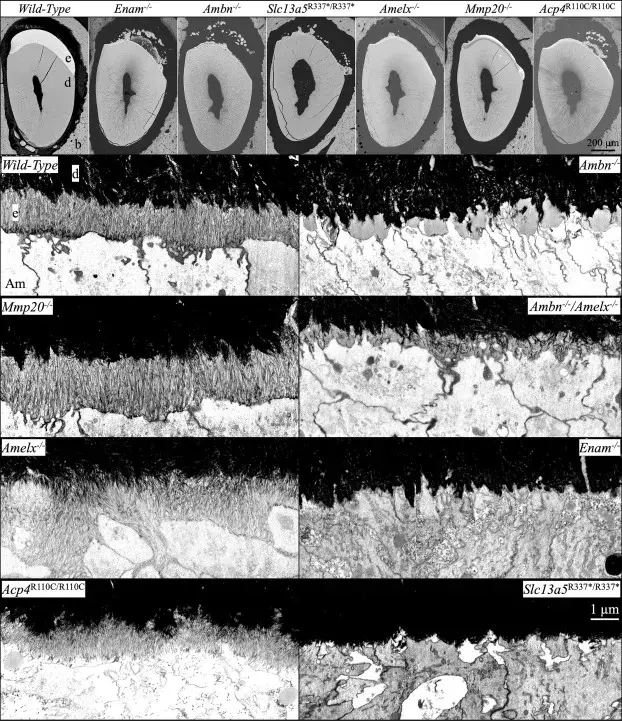 and, another cuz it’s just so very cool!  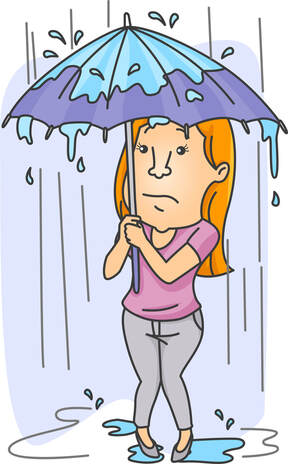 Maybe it’s the general feeling of the world. (See also, Homeopathy can make a heavy world a little lighter.) Maybe it’s that winter has gone on too long now. Maybe it’s all of the above. Maybe it has no relation to anything.
In the last couple of weeks, I have had 4 urgent phone calls from clients (and one general consultation with a new client), all with very different presenting symptoms, but all rooted in grief… all of whom benefitted greatly from Ignatia. -- intense anxiety from many years ago -- behavioral issues in a young child -- recent ramifications from an old divorce -- sleepless from worry trying to leave a warzone One client, however, took one dose of Ignatia and the next day said to me, “that dose felt like ‘resilience.’” I think that one word sums up Ignatia so beautifully. The Oxford Dictionary (Oxford University Press 2021) defines “resilience”: “capacity to withstand or to recover quickly* from difficulties; toughness.” All five of these people needed shoring up in their resilience and Ignatia did just that by providing a little emotional scaffolding. When it rains, it pours and if you find yourself in an emotional downpour, I suggest giving Ignatia a try at being your proverbial umbrella. Julia Coyte, CHom Classically Practical homeopath #wellnessawaits *I removed quickly — homeopathy does not care if the catalyst was recent or long ago.  The yucks hit my house in very early January. For the next couple of weeks, I sometimes felt like I was on the verge of succumbing to something yucky. Many weeks later, I can safely say I skirted it.
The important piece of this puzzle, is this: Your remedies do not have to be perfect. Remedies are forgiving. Many remedies share many symptoms and many overlapping symptoms. In most cases, there is not one single remedy that you have to get absolutely right in order to feel better. I did all the usual things when one feels like they might be getting ill:
When I really thought I was in trouble and realizing that all those things I had been doing didn’t actually do what needed to be done, I was ready to acquiesce; I was ready to throw in the towel. Then, the shaky quakes, as I call them, set in. I felt so weak and trembly. I had gone to bed really early (the headache was too much) and I slept really hard and I slept late and I did not want to get out of bed the next morning. I did get out of bed and I had some breakfast — even though the thought made me nauseous (I did feel better after eating) — I knew I had only a short amount of time to get the bills paid and do a quick couple of other things with deadlines before I was no longer going to be able to get to them for a while. But then, when this new symptom set in, I decided to throw one more remedy at it. Main symptom? Trembling and weakness. Just sitting and opening the bills was too much. I was waffling between Arsenicum album and Gelsemium (both really good flu remedies, in general; and, both are in the “eating ameliorates” rubric, so that fit, too). I went with Gelsemium because the trembling was the chief complaint. Within 30 minutes, the trembling had completely disappeared. The weakness remained, however. Gelsemium no longer felt right, even though it had done what was asked of it, so I switched to Arsenicum album. I couldn’t tell you now and I don’t think I could have told you then why the Gelsemium no longer felt right. Could it have done the job just as well? Perhaps. One dose of each and the world was quite simply a happier place. I continued to feel better hour by hour. By the next day, I was completely back to normal. I know I (and others) have said, that if a remedy is working, stick with it, but I broke that rule and I’m pleased I did. I took the “chase the symptoms route.” (See also, tis the season… for the crud.) After a couple weeks of occasionally using good, general flu remedies to ward off symptoms that seemed to maybe be trying to creep in from time to time, I decided to focus on just the new main symptoms - one at a time. Once again, I never actually felt unwell until the very end — I just didn’t want anything to take hold. It is entirely possible there simply weren’t good symptoms to follow previously - just a general sense of uh-oh. If I had worked with another homeopath, perhaps they could have seen something, but, I couldn’t see it in myself. Had I taken these two remedies earlier in my battle of the on again/off again possible yucks, would I have put it all in my rearview mirror sooner? Maybe. The symptoms calling for these remedies, if they were there, they were very, very quiet and I couldn’t hear them. There is another possibility… Maybe I didn’t, in fact, dodge the yucks and was just “homeopathically unwell” : translation, I had a bug, but the remedies were working well enough to keep me going — and these last two remedies were the clean up crew. (Arsenicum album and Gelsemium are both indicated in convalescence.) Will I ever know? Nope. Do I care? Only in that I could have shared more detailed information so others may learn from my experience. Stay well — spring is coming to the rescue soon! Julia Coyte, CHom Classically Practical homeopath #wellnessawaits  I have written specifically about the Banerji Protocols and the Narayani combinations (here, here, and here. The Boiron over-the-counter combos are sprinkled throughout my articles. I have mentioned the BHI combos only once in my Digging Deeper article about hemorrhoids. Perhaps it’s because I don’t see these too often any more that they are not front and center in my mind. BHI/HEEL — I’m honestly not certain what the technicalities are between these/this company/companies. MediNatura (maker of Traumeel,) is another name that is part of this company puzzle. I do know they at least were based in New Mexico - maybe that’s why I saw their products on the shelves. Not so much these days, though. They are still out there, however — for purchase through the internet. What are they? They are a smaller line of homeopathic combinations, compared to the Narayanis and they do not use the mega potencies that some Narayanis do; in fact, most (all?) of their combos are made using low x potencies. You may be familiar with their T-Relief and Traumeel (a personal favorite combo of mine). What else do they have? In addition to the Hemorrhoid combo listed above, to list just a few more:
Since we are in the middle of cold and flu season, let’s take a very quick (and by no means complete) look at BHI’s ReBoost combo and why they have included the remedies they have (including one I have never heard of so let’s learn together):
What else about the BHI combos? If you want to spend a little time searching the internet, you can find old copies of their manuals. Apparently, they used to make an awful lot more combinations. Alas. Like the Narayani books, I find these BHI guides helpful for learning remedies. As I have said in previous articles about combos which are no longer available, you can make your own. You don’t have to be perfect. If their combo calls for a potency that is not readily available to you, choose the nearest potency you can find. For instance, their old “Exhaustion” combo contains Sepia 12x — not so easy to find. Sepia was also used in the Hyland’s no longer available combination called “Awake” in a 30x. But, if you were making your own combination reflecting these remedies, a 6c would be a good substitution. (Margriet Plouvier-Suijs equates 12x-14x to a 7c**, another not so easy to find potency, but we can be pretty sure a 6c is pretty close to a 7c in it’s action.) When I first really got interested in homeopathy, years before becoming a homeopath, I had a whole line up of Heel containers on a spice rack shelf in a kitchen cupboard. It was so nice to have an alphabetical line up of go-to remedies: Headache, Nausea, Spascupreel, Traumeel… The names may change but the idea remains the same — an excellent way to cover lots of homeopathic bases right there at your fingertips - no thought required! Julia Coyte, CHom Classically Practical homeopath #wellnessawaits *I have zero affiliation with any of these companies — I just like their products. ** France seems to use odd numbers, the rest of the world even🤷♀️ Reference list
Plouvier-Suijs, M., 2014. About potencies. Emryss Publishers. Sadeghsoltani, F., Mohammadzadeh, I., Safari, M.-M., Hassanpour, P., Izadpanah, M., Qujeq, D., Moein, S. and Vaghari-Tabari, M., 2021. Zinc and Respiratory Viral Infections: Important Trace Element in Anti-viral Response and Immune Regulation. Biological Trace Element Research [online].  I’ll confess… it wasn't love at first sight. It took me a figurative minute to get on board with the idea of sarcodes. Once I discovered their unbelievable usefulness… I’m not looking back. There is one problem with this sarcode love… I hate that we don’t have more readily available information on how to use them! The schools I attended (as fantastic as they were) touched on sarcodes, but I was definitely left with wanting to know more about the how’s and why’s and when’s. As a result, I have taken pretty much every course available and purchased every book I could find on sarcodes. This is what this article is all about — spreading the good word, sharing the love of homeopathic sarcodes. It is very important to note that neither these books nor this article will actually teach you the how’s and why’s and when’s of using sarcodes. These books are useful once you have learned how to use the sarcodes. What are sarcodes, again? (See also: Sodes and Codes if you are unfamiliar with the term.) Sarcodes are homeopathic remedies made from healthy tissues or secretions, generally taken from healthy animals. “Any physiological processes can be a sarcode remedy” (Johnson 2016).
Are sarcodes the same thing as organotherapy, or something different? This, of course, is not a straight forward answer. I believe this discrepancy often comes down to individual authors. Dr. Thasleena M has literally just this week published Sarcodes: The Organ Language of the Vital Force: Understanding, Selecting and Using Organ Remedies in Homeopathy. She provides an opportunity to cut through the noise in regard to “sarcode” vs “organotherapy.” She lists 4 different kinds of sarcodes (on page 6):
Organotherapy may use sarcodes. Sarcodes may be used to help ailing organs. Sarcodes may be made from organs. See where all this confusion is coming from? So,what is organotherapy then? Organotherapy is a homeopathic therapeutic approach that uses remedies targeted specifically at organs, glands or systems to stimulate, regulate or normalize their function. The remedies used may be “standard” homeopathic remedies or they may be cell salts or gemmos or sarcodes or even nosodes — thus making organotherapy a much larger topic than sarcodes alone. Today, we’re sticking with just sarcodes. Just to make it a little more confusing, organotherapy is also used in allopathic medicine, though most versions used today are synthesized in the lab… think: hormone replacement therapy, thyroid and glucocorticoids to treat adrenal insufficiency, etc. Historically speaking, if someone had a thyroid issue, allopathic physicians would use the whole desiccated thyroid gland (and still used today, actually), generally from a healthy pig (porcine), to treat this problem (Heald et al. 2024). The benefit of this method is that you get the entire thyroid gland and all its supposed goodness. The counter argument, they say, is that not everybody needs all the thyroid extras. Today, if you go to your doctor with this complaint, you are most likely going to be given Levothyroxine which is a synthesized form of thyroxine from L-tyrosine, a naturally occurring amino acid, resulting in a synthetic version which is “chemically identical to the naturally produced thyroid hormone thyroxine” (Drugbank). As I recall hearing years ago, the main reason as to why they made the switch to a synthetic product was to be able to control the dose. A logical thought. But, in my never-to-be-humble opinion, I think it misses the point. The point, to my mind, is to re-teach the thyroid what it is supposed to be doing. In an ideal world, this supplementation would not be taken forever. (I know, some people absolutely require thyroid replacement to live. I’m talking about a poorly functioning thyroid, not a missing or completely defunct thyroid.) Note: I am not here to argue one side or the other, I am just laying out the history of thyroid medication and how it relates to homeopathic sarcodes. IMPORTANT NOTE: homeopathy works beautifully alongside allopathic medication. It is very important that you work with your physician and a professional homeopath if you choose to use them in tandem. However, it’s not always straight forward. Of course it isnt! Sticking with the thyroid example, even though the thyroid is what appears to be the problem, (most likely via blood testing), it could actually be another endocrine gland above or below the thyroid in the endocrine chain that is making a nuisance of itself: the hypothalamus or the pituitary (posterior, anterior or the whole thing), for instance. In other words, simply because someone is seemingly struggling with thyroid issues, that doesn’t mean that the use of Thyroidinum is a slam dunk. Our bodies aren’t always so accommodatingly simple, unfortunately. OK, but what do sarcodes actually do? Sarcodes (from Tenka 2021):
Back to the books, please. Getting back to this brand new book by Dr. Thasleena M… it is probably one of the most useful books on sarcodes I have found to date. (It’s one of only three in this list solely dedicated to sarcodes.) The author does a really nice job explaining sarcodes with charts describing the main indications for the use of various sarcodes and where one might expect to see their use, i.e., gynecology may use this group of sarcodes and pediatrics or geriatrics may use different groups. From here, she works through the various sarcodes and provides information on:
Most of the books out there are materia medicae and I am very grateful to have them. Some are more complete than others; but, unfortunately, there is not one single source that I have found to cover everything. Jerry van den Bosch* has written what is probably the most practical approach to these remedies: Sarcodes — The Hidden Gems of Homeopathic Medicine: A Comprehensive Guide to Homeopathic Healing with Organotherapy. This is a tiny book, just 75 small pages, but, once you learn how to use it*, they are very valuable pages. What does he have to say about organotherapy? Mr. Van den Bosch seems to be one of the authors who uses sarcode and organotherapy interchangeably and he very helpfully tells us (on page 11): “In Organotherapy, sarcodes are used, which are derived from healthy tissues and contain corrective information for the respective organ, gland, or tissue. Before his book even gets going, Van den Bosch says: “Approach this book and its content with an open mind, as doing so it can lead to remarkable outcomes in your clinical practice. The outcomes observed stand as evidence of the effectiveness of these methods. I can relate to his statement of needing firsthand experience — both with sarcodes in general and his method in specific. The bulk of Van den Bosch’s book is laid out very simply: indications by body part, followed by the sarcode/s he suggests for each. In a few instances, he includes detailed instructions with which doses to take and when. CAUTION: there is a language barrier!
Berkeley Squire’s (2011), A Repertory of Homeopathic Nosodes & Sarcodes Like Van den Bosch’s book, this one left me a little perplexed for a while, too. It’s called a repertory, but despite it being a thick volume, it felt a little thin on information at first. I was listening to a Gaurang Gaikwad lecture and the penny dropped for me on this book. The introduction acknowledges this is a different sort of book: “So, it must be viewed as the definitive book upon them [nosodes and sarcodes], for an index is the soul of a book.” It is indeed more like an index than any repertory I’m used to using. Most symptoms list pretty much just one or two remedies and most of the remedies appear to be nosodes, not sarcodes. However, it is an excellent resource for confirmatory symptoms. Speaking of repertories… sarcodes don’t pop up too often — which is why the need for so many dedicated books. Part of the reason for this is, generally speaking, sarcodes don’t undergo classic large-scale Hahnemannian provings. The materia medicae of sarcodes are developed by combining toxicological effects from crude preparations, as well as “knowledge of their pharmacological actions,” mixed with clinical experience (Nayak et al. 2016). In short, we only know what we know about sarcodes and there is a lot left to be discovered in terms of sarcode benefits. I think we’ll have to wait patiently for thorough provings to be conducted. Back to Berkeley Squire’s book… the final couple of pages are “Remedy Relationships” — a useful little list of sarcodes and nosodes and their related “standard” homeopathic remedies. Chaturbhuja Nayak’s Homeopathic Materia Medica of Sarcodes This is a thorough book with each entry having an introduction about the substance; the source and preparation of the substance; who proved it and when; sphere of action; clinical conditions; characteristic features and then followed by a few pages of symptomatology. Each chapter ends with a dose and potency section, cautions, comparisons and “success stories of reputed clinicians”. The size of the symptomatology for each entry is rather thin compared to some of the other books in this list. Note: about the middle third of this book is dedicated to the Lacs. Gaurang Gaikwad’s Materia Medica of Nosodes & Sarcodes Each of the remedies (20 sarcodes, 27 nosodes and 7 bowel nosodes) are fleshed out quickly through bullet points followed by clinical diseases in which it would be useful and a bit of materia medica from notable sources. Some of the entries are very short but a couple of others include cases. B.K. Sarkar’s Up-to-date with Nosodes and Sarcodes I really like the size of this no-nonsense, straight to the point book, but it only has write-ups for just a couple of sarcodes. Most of the book is dedicated to nosodes, bowel nosodes and some more unusual remedies like the Magnetis polis, X-ray and Electricity. Most of the sarcode books out there are materia medicae and I am very grateful to have them. Some are more complete than others; but, unfortunately, there is not one single source that I have found to cover everything. I wish I could provide one simple title with all the possible sarcodes with full write-ups to guide us to applicable sarcodes for every needed situation, but I guess we’ll just have to wait. In the meantime, share the homeopathy love. 💕 Julia Coyte, CHom Classically Practical homeopath #wellnessawaits *CHE offers a Homeopathy Spotlight with Jerry Van Den Bosch and I highly recommend it. In fact, I found the book not very helpful prior to hearing him speak on it. Reference list
Burdet, C., 2016. Interhomeopathy - Editorial: sarcode remedies - processes of life [online]. Interhomeopathy.fr. Clarke, J. H., 2015. Dictionary of practical materia medica. accessed through Radar Opus software. Drugbank, n.d. Levothyroxine sodium - DrugBank [online]. go.drugbank.com. Gaikwad, G., 2019. Materia Medica of Nosodes & Sarcodes. Gurukrupa, Mumbai: Dr. Gaurang Gaikwad. Goswami, A., 2024. Exploring The Enigmatic Nature of Sarcode Remedies in Homoeopathy: History and Applications [online]. homeopathy360. Heald, A. H., Taylor, P., Lakdasa Premawardhana, Stedman, M. and Dayan, C., 2024. Natural desiccated thyroid for the treatment of hypothyroidism? Frontiers in Endocrinology [online], 14. Johnson, G., 2016. Interhomeopathy - Sensational sarcodes [online]. Interhomeopathy.org. Kalathia, G., 2010. The Language of Sarcodes. Homoeopathic Links [online], 23 (01), 52–55. Kumari, A., 2020. Sarcode and Nosode remedies in Homoeopathy [online]. Homeopathy Resource by Homeobook.com. Lathiya, P. and Patel, G., 2024. Role of Thyroidinum (sarcode) as an intercurrent remedy in treating various cases of Hypothyroidism. Southeast Asian Journal of Health Professional [online], 7 (2), 47–49. M, T., 2026. Sarcodes: the Organ Language of the Vital Force: Understanding, Selecting and Using Organ Remedies in Homeopathy. Kindle. Independently Published. Master, F. J., ed. 2024. The Homeopathic Heritage: Bringing Classical and Contemporary Homoeopathy ogether • Unveiling the Potential of Homoeopathic Remedies in Chronic Suppurative Otitis Media: Ongoing Research at The Calcutta Homoeopathic Medical College & Hospital • Sarcodes -A Bestowal For Ailing Mankind Sarcodes & Homeopathic Practice [online]. McAninch, E. A. and Bianco, A. C., 2016. The History and Future of Treatment of Hypothyroidism. Annals of internal medicine [online], 164 (1), 50–56. Nayak, C., Smita Brahmachari and Syed Afsar Ali, 2016. Homoeopathic Materia Medica of Sarcodes. B. Jain Publishers (P.) Ltd. Pope, C., 2024. Levothyroxine [online]. Drugs.com. Squire, B., 2011. Repertory of Homoeopathic Nosodes and Sarcodes. B Jain Publishers Pvt Limited. Tenka, Y., 2021. Sarcodes and its homeopathic application. Teraiya, D., 2025. Organ Remedies in Homeopathy: Healing Through Organ Support. Kindle. Independently Published. van den Bosch, J., 2024. Sarcodes: The Hidden Gems of Homeopathic Medicine: A Comprehensive Guide to Homeopathic Healing with Organotherapy. Emryss Publishers. |
Julia Coyte, CHomI am passionate about homeopathy and I love sharing this passion. Having a working knowledge of homeopathy shouldn't be kept a secret. If people have the ability to help themselves, their children and their friends when they have minor ailments, life just gets better for everyone. That is the purpose behind Ruminating on Remedies. Archives
October 2026
Categories
All
|

 RSS Feed