ruminatingonremedies.com
  • Home
  • About Me
  • Blog
  • Contact

Drams and Grams

7/27/2025

0 Comments

 
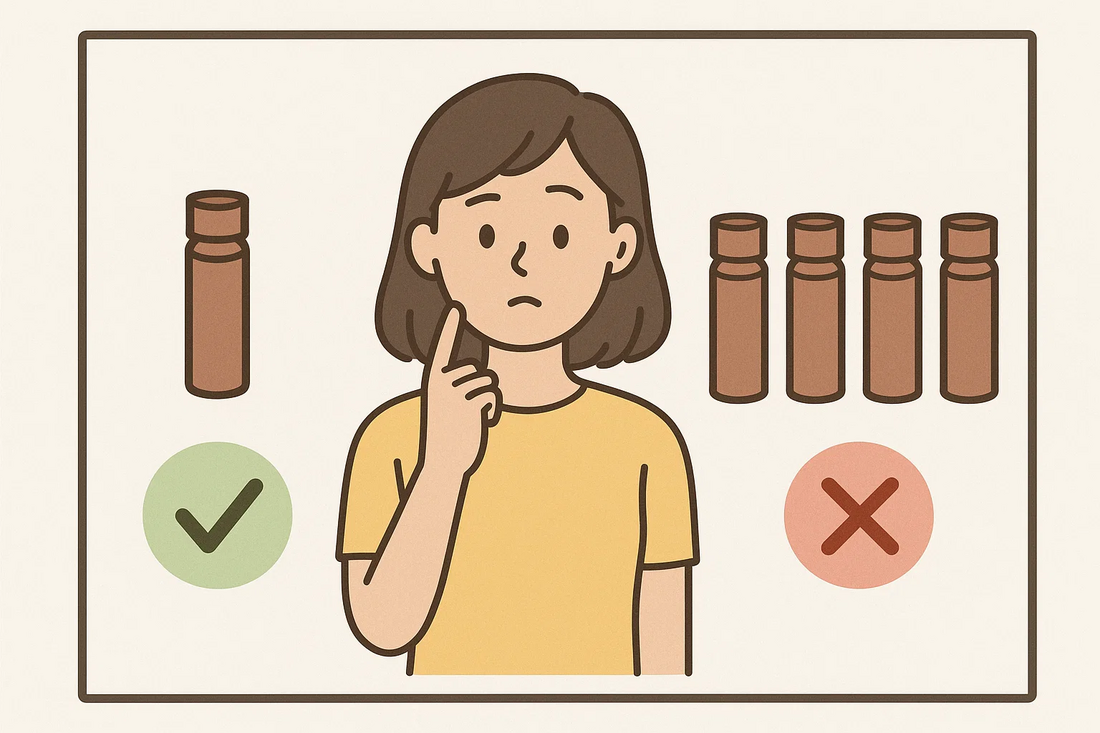
How much of a remedy should one buy at a time?
Picture
I used to routinely suggest people pick up their Boiron* remedies from Whole Foods, but they yanked them😖. And, I learned just the other day that they no longer carry colloidal silver, either. Alas. Moving on.

​
!!!UPDATE: A kind and astute reader just reached out to remind me that Sprouts carries Boiron remedies. Yes, they do! As does Natural Grocers.


With that, it’s time to turn to purchasing homeopathic remedies directly from the pharmacies.
However, this article isn’t really about where to purchase the remedies. It’s more about how much of a given remedy to purchase.

Thinking back to my early days of homeopathy, my first remedy from my then homeopath/MD was given to me in the office. As I recall, it was just one dose right there and that was it. Yes, it was amazing. Then, when my DOM suggested Belladonna for my ear infection, I had someone pick me up a tube (back when Whole Foods carried them). But, when I was finally going to do this homeopathy thing on my own (see: Thankful for a Yeast Infection), I purchased a few tubes because the article said it may take 3-5 months to fix that problem. I would be willing to bet that all of those original tubes are still in my stash because I never needed to repeat that remedy for that problem. That problem never returned.🎉

Have I used that remedy since then? Yes. I think I gave a couple of doses to my son once and I used it again for myself for an separate issue.

I think we have been trained into purchasing large quantities of supplements and medicines. When we’re told something will take 3-5 months to fix (as above), then my brain just assumes (well, used to assume) I’m going to be taking that suggested remedy/supplement/medicine for months — probably every day, too!

Generally speaking, this is not the case with homeopathy. As I mentioned above, “one and done” can certainly be a thing when the remedy is well chosen.

Unlike allopathy (conventional medicine as we know it), homeopathy is not looking to make a life-long customer of a single homeopathic remedy. The homeopathic remedy is meant to help spur your body into fixing itself and often is never even repeated. There are schools of homeopathy where daily or frequent dosing is required, but even then, it’s extremely common to be “finished” with “a” remedy after about 4-6 weeks.

I have had multiple conversations over the last couple of weeks with clients who “stocked up” on a particular remedy.** In fact, I still have a few extra tubes of a few extra remedies which I purchased when I first began learning homeopathy. I assumed I was going to need them. (They were so amazingly helpful, I didn’t ever want to be without them!!) Guess what? Those clients I mentioned, and I, didn’t need all those tubes. The doses we took did what needed to be done and now we are left with a handful of a certain remedy that we may or may not need again in the future.
​
Is it always just one tube that is needed?
One tube is an excellent place to start, if, for no other reason than most often 1 tube is our only minimum purchasing option. (Keep reading for other smaller options.)

This is a good place to remind ourselves that one dose is one dose. Generally speaking, it doesn’t matter if one pellet is taken (regardless of size) or the entire tube is taken all at once. As long as the pellets are taken at the same time, that is most often considered one dose.
Let’s take 5 pellets from any tube as an example.
  • If you put all 5 pellets in your mouth at once, that’s one dose.
  • If you put 4 pellets in your mouth now and one pellet in your mouth 10 minutes later, that is 2 doses, 10 minutes apart.
  • If you put one pellet in your mouth now and one pellet in your mouth 30 minutes from now and another single pellet 3 hours from now — that is 3 doses.
However many pellets you put in your mouth at any one time, that is a dose. I have read many on-line reports along the lines of, “Help! My child has just had the entire tube of…” as long as that tube was filled with homeopathic pellets, these stories always turn out just fine.
​

Of course there is a caveat, though: some homeopathic pharmacies claim that every pellet has been medicated with the homeopathic remedy, making one pellet one dose. Other homeopathic pharmacies say, for instance, that one in four pellets have been medicated, thus 4 pellets equals one dose. However, those pellets roll around in the tube together and one would think that the medicine rubs off on the other pellets while they’re mixing and mingling in there. Having said that, follow the manufacturer’s directions to get the best results.

How does one actually take the remedies?
In an ideal world, the remedies will not be touched with your hands. For Boiron and Olloïs and Helios, twist the cap until the required number of pellets have fallen into the cap and throw them under your tongue directly from the cap and allow them to dissolve for about 10 seconds or so -- don't swallow them with water.

For other brands with a standard cap, pour 1-3 pellets directly into the cap and toss them in your mouth from the cap.

Why not touch them? Because the homeopathic medicine is on the outside of the pellets and they begin dissolving pretty much immediately on contact. If the pellets are placed in your hand, any oils or other substances on your hand may interfere with this process.

Pellet sizing:
Let’s take a look at the size of pellets. Unfortunately, I struck out on searching for a nice image to compare pellet sizes and the corresponding numbering system, but it seems to me that #20 = 2mm; #30 = 3mm, etc.) Using Boiron* as the most readily available brand in the US, their pellets, (according to Grok), are often referred to as size #30 or #40 and are medium sized pellets between 3-4mm in diameter. (Boiron also uses much smaller pellets or “granules”, 1-2mm in diameter, for their Oscillococcinum, in which case Boiron recommends using the entire single dose tube at a time.
​
Here is where it gets tricky again. I don’t think it’s the fact these pellets in the Oscillococcinum tube are smaller that they recommend the entire tube as one dose because other homeopathic pharmacies will advise one single tiny pellet to be used as one dose. Perhaps we are back to the idea that not every pellet has been medicated with Boiron? Or, maybe because Boiron is so commonly found in the west that they are simply standardizing the dosage to avoid any confusion? But, as mentioned above, as long as the pellets are taken at the same time, that is one dose.

Now for the packaging:
Staying with Boiron, their average tubes are 2-dram. According to this site, a 2-dram vial is about the size of a AA battery or an average adult-sized pinky finger, or 2-1/2 inches.
2 drams — the size of the standard Boiron or Olloïs tubes. Depending on the size of the pellets that are used, a filled 2-dram tube of a homeopathic remedy could last a very long time, indeed.

Liquid Remedies
Liquid remedies have become a favorite method of dosing for me if I’m going to be taking the same remedy for a while. It’s fast and it’s easy — no waiting for the pellets to dissolve. And, technically, when you give a shake or succuss (bang it from the bottom), you are raising the potency with each dose.
​
NOTE: don’t bother with “medicating potencies” — that’s a whole other ball game for homeopaths who dispense their own remedies in their clinics.

The options are many.
When ordering directly from homeopathic pharmacies, it can be a little confusing at first. Using Arnica 30c as my test remedy, here are the options available:
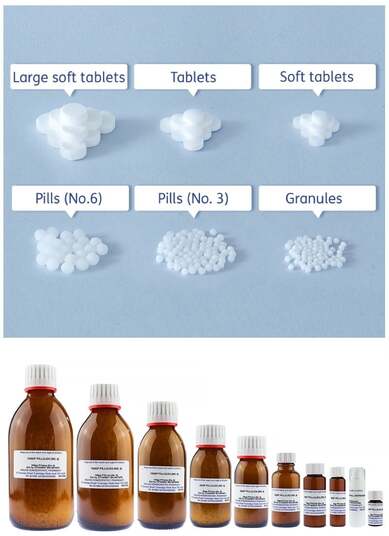
  • Ainsworths* in the UK offers:
    • you can choose between lactose (tablets‡) and sucrose (pills and fine granules). (I have to say that I really like the tablets. They are easy to dispense and melt quickly.)
    • then you choose the size from 1g (the cutest little glass vial with a little cork topper which holds about 10 of the tablets — perfect for an emergency remedy that you want to make sure you have with you); 7g is equivalent in size to the 2 dram*** or 14g all the way up to 500g
      • there is no way for me to estimate how many are in a tube because there are too many variables
    • liquid potencies offered from 5ml to 1000ml
    • Dosing: “One tablet is quite sufficient for any age.”

  • Boiron*
    • also offers “meltaways” for Arnica in a box of 60 tablets
    • 2 dram tube with ~80 pellets
    • Dosing: 5 pellets.

  • Hahnemann Labs* for 6c to 99c potencies:
    • offers 3 different pellet sizes, depending on potency purchased (#30, #20 and #10)
    • 1/2 dram bottles (about an inch high) hold ~80 pellets; 2 dram holds ~240 pellets
    • 1 oz — it doesn’t say how many pellets are in there, but I guarantee it is more than an individual needs!
      • For potencies 100c and up, they use #20 pellets
        • 1/2 dram vials contain 240 pellets
        • 2 dram vials ~370
    • Dosing: Hahnemann Labs says to contact your homeopath for how many pellets to take per dose.


  • Helios Homoeopathy* in the UK offers a wide range of choices:
    • after choosing your remedy, you then have to choose the “form” (see photo below for some of the options). For reference, #6 is the option nearest to Boiron’s sizing.
    • then you choose the size of container. They offer 4g (which equates to the 2 dram size***) all the way up to 240g. If you want the kind where you can twist the top and the pellets fall in, choose the “4g dispenser.”
    • if choosing a liquid — they offer nice spray bottles or bottles ranging from 5ml to 100ml (with teats available in the 10, 15, 30, 50 and 100ml sizes).
    • Dosing: one tablet/pill = 1 dose
      • one/two drops of liquid remedy = 1 dose
      • granules/size 3 pills - tip 5-10 into the lid of bottle = 1 dose
Picture
click here for Helios’ description of what they offer

  • Olloïs* uses lactose free pellets only
    • 2 dram tube holds about 80 pellets. (I don’t see any other options on their site.) Dosing: 5 pellets.

  • Washington Homeopathy*
    • first off, I see they have 20% off Arnica, Apis, Calendula & Ignatia during July, so hurry and order!!
    • 4 dram vial (which is big — holding 900 2.5mm pellets). Dosing: 4 pellets.
    • 1/2 dram vial (which I love) holds 250 of #15 pellets (eenie weenies). Dosing: they say 3-5 of these little pellets makes a dose.

Are there other purchasing options out there? You bet, but these are the most common pharmacies that I use that are available for the general public to purchase their own remedies.
That was a lot of information. Summing up:
  • Your homeopath should let you know how much of a particular remedy you should order.
  • If purchasing remedies on your own, one 2-dram tube is a good place to start.
Here’s to a well-stocked homeopathy cabinet… your purchasing dollars go a lot further when you are purchasing small(er) quantities of many remedies instead of multiple tubes of the same remedy! Remember to store them away from cleaning products or other particularly smelly items as that has been known to affect the remedies.
Happy shopping!


​Julia Coyte, CHom
Classically Practical homeopath
#wellnessawaits


* I have no affiliation with any of these or any other companies.
** What to do with all those extra tubes of remedies? Share them with your homeopath friends. A number of clients have found willing takers of extra remedies in various online homeopathic groups. I bet they, too, have some extras they are willing to swap!
‡ I have found as people get a little older and their hands may shake a little bit and their eyesight is not quite so crisp up close that pouring little pellets into caps can be difficult. This tablet option (available primarily from the UK) can solve that problem.
*** How Helios’ 4g and Ainsworth’s 7g both seem to equate to the 2-dram I have no idea. But, the actual tubes are very similar in size. 🤷‍♀️
So, I looked into it. According to Brave AI:
  • 4g = 1.27 drams.
  • 7g = 2.22 drams.
They sum it up as: 4g < 2 drams < 7 grams. There you have it.
0 Comments

Quickie: Homeopathic Software

7/22/2025

0 Comments

 
Picture
If you have read any of my previous posts, you will know that I love using my homeopathic software.

Not only do I find it much easier to look up remedies and repertorize cases, I find it makes “playing” with homeopathy really fun. I, of course, was taught to repertorize the old fashioned way with books and repertorization sheets (and I loved doing it), but the fun really began when I got my first piece of homeopathy software.

It’s a long story, but I ended up with 2 different homeopathic software programs — And, I have to say, I like them both. I currently use Radar Opus and Synergy Viva and, increasingly, I no longer favor one over the other.

I’m not here to tout any particular piece of software. I only know what I know. (translation: there are other options out there with which I am not familiar.) At the end of the day, they all do what is needed to be done — providing the information found in both homeopathic repertories and materia medicas. (should this actually be materias medica? I’m not up with my Latin😆.)

I am here today to let you know about a new homeopathic software company that I played with a little bit and if I were just getting started on this track, I definitely would have liked to have known about this.

Similia* has a clean and attractive interface and it’s very pleasant to work with.

Here’s the best part — for the classic resources, including: Kent, Boericke, Hering, Boger, Boenninghausen, Clarke and Allen (with more coming soon, it says) — it’s free! Everything is based on-line (so you would need an internet connection) and I’m also told it works on your phone — which is a great feature for those on-the-go repertorizations (which is, surprisingly, a thing!)

If you want to add Murphy’s repertory and materia medica and have all the bells and whistles that Similia has to offer, it’s $29.99/month (with a 14-day free trial). I also see that if you are a student, they offer a discount but I don’t know those details.

Now, to be fair, I need to include that Radar* is also available to rent and it offers a 15-day free trial. But, to my knowledge, they do not provide a free version. Their minimum rental is “Package 2” for €18 for 1 month access. (Their cheapest monthly option is “Package 1” for €9/mo. for 3 month access.)

Synergy* also has a 15-day free trial as well as rental options — you can choose 3 months for $30 or 12 months for $100 for their “Essential Edition.”

As I said earlier, there are other options out there but I did not dive in to figure it all out. I really like the two that I use and I was very impressed with this new option, especially because it’s free.

If you want to start playing around and see what fun can be had with homeopathy software, there is an excellent free option available to you.


Julia Coyte, CHom
Classically Practical homeopath

#wellnessawaits


*I have no affiliation with any of these companies. I own and use Radar and Synergy on a daily basis and I have played around with Similia’s free version.

NOTE: I did not dig into Radar or Synergy to find out if they offer online only versions or what the requirements are.

0 Comments

ARNICA

7/19/2025

0 Comments

 
Picture
We've never really talked about it, have we?

I mean, I have mentioned Arnica in more than 35 previous articles, (too many to list here, go here or here and search “Arnica” if you would like to read those, or you can keep reading and I have linked to separate articles), but I haven’t really talked about Arnica specifically.

I have always just sort of assumed that everybody reading Ruminating on Remedies already had a general grasp of Arnica. Maybe not, though. With that, let’s take a look at what is considered to be the “gateway” homeopathic remedy.

​Before it was made into a homeopathic remedy, it was used herbally. I remember Arnica being taught to me as a plant that was in a useful place — hikers would be tired and sore after climbing in the mountains and there sits the answer to their troubles, right at their sore feet.
​
Excerpted from Encylopedia of Herbal Medicine (Chevallier 2000, p 172): 
Arnica montana, also known as Leopard’s Bane, grows in the mountain woods and pastures. It has been used extensively in European folk medicine and is an effective ointment and compress for bruises, sprains and muscle pain and improves the local blood supply and speeds healing. It is anti-inflammatory and increases the rate of reabsorption of internal bleeding. Generally the plant is now taken internally only as a homeopathic dilution, principally for shock, injury and pain. If taken as a decoction or tincture… it can be toxic even at low dosage and thus is rarely used in this way.
CAUTIONS: Arnica preparations should not be applied to broken skin. 
Picture
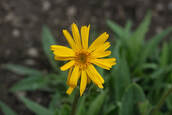
Interestingly, to me, Arnica often looks a little bedraggled in the photos… A little bent and rough around the edges and I think that is very fitting for this remedy. It looks like the Arnica plant could actually use a little bit of homeopathic Arnica itself.😄


“Due to the toxicity of the sesquiterpene lactones it contains, oral use of arnica must be avoided altogether” (Hoffman 2003, p 530). “The homeopathic preparation is entirely safe to take internally, especially when used according to homeopathic directions”(Hoffmann 2003, p 529).

Let’s turn to the repertory. I have to say that repertory software makes searching all this so much easier and even more fun! (Look for an upcoming “Quickie” on software👀.) I searched for Arnica and level 4 symptoms, from Dr. Murphy:
​
  • Concussion (see also: What Happened?!)
  • Blows
  • Bruises
  • Contusions
  • Extravasations from injuries
  • Falls
  • Injuries, general
  • Shock, traumatic
  • Bruised pain, as if beaten
  • Mind, fears, phobias, of others approaching them
  • Sore pain

​A. L. Blackwood (2016) in A Manual of Materia Medica, Therapeutics and Pharmacology (originally published in 1906) says, “The [homeopathic] remedy is indicated following mechanical injuries, strains and wrenching of muscles, in hemorrhages from injuries, injuries of the soft parts that accompany fractures, and bruises, and ecchymosis, and in concussions of the spine and brain, and in inflammation of the skin and cellular tissues, with extreme tenderness to pressure.” Well, that sums up a lot of situations, actually. No wonder it’s the first remedy to think of following an injury. “… when the patient feels as if bruised all over, and everything upon which he lies feels too hard, compelling him to change his position on this account.”

​INJURIES: Now there’s a big topic… Sprains. Strains. Contusions. Fractures. Overuse injuries. Concussions. Dislocations. Guess what? Arnica would most likely be helpful in all these situations. Why? If for no other reason than they are all painful.

Going back to 1855 to Dr. William Helmuth’s Surgery and Its Adaptation into Homoeopathic Practice: “Arnica is useful in all cases and ages to allay the extreme sensibility of the whole body, the general restlessness and intense pain in the seat of injury.”

Let’s look again to Dr. Murphy to see where Arnica really shines —pain— using both level 3 & 4 rubrics:
  • “sore” pain
    • Sore pain. Is that pain from a sore? Could be, as there is the rubric Skin, Eruptions, painful — that sounds like a sore.
      “Sore” is actually met by Arnica in both of its definitions according to Taber’s Medical Dictionary (Venes 2017):
      1. tender; painful
      2. any type of tender or painful ulcer or lesion of the skin or mucous membrane.
  • “aching” pain
    • Aching pain, again from Taber:
      1. pain that is persistent rather than sudden or spasmodic. it may be dull or severe.
      2. to suffer persistent pain.
  • pain from injuries
  • “rheumatic” pain
    • “a general, imprecise, colloquial, and somewhat old-fashioned term for acute and chronic conditions marked by inflammation, muscle soreness and stiffness, and pain in joints and associated structures. It includes inflammatory arthritis (infectious, rheumatoid, gouty), arthritis due to rheumatic fever or trauma, degenerative joint disease…” (Venes 2017)
  • “bruised” pain, as if beaten (4)
  • aching pain in the periosteum (tissue around the bones) - resembling bruising pain, actually
  • sore muscles (4), following overexertion
  • teeth pain after dental work or injury
    • Calvin Knerr’s repertory (2022) often has a little different (but unquestionable) take on the remedies and says: Teeth, abscesses at roots, injuries to dental nerves, sensitive after filling. (I suppose we could chalk that up to bruises/contusions/injuries/pain, but I think it’s important to remember that it’s specifically helpful in dental issues.)

​BRUISING - also known as ECCHYMOSIS — is superficial bleeding under the skin or a mucous membrane; a bruise (Venes 2017). Arnica is the only level 4 remedy for skin, ecchymosis in Murphy. (Symphytum is the exception here, level 4 specific for eye injuries — black eyes — but I digress.) Bruising results when blood vessels (external or internal) are broken but the tissue surfaces remain intact (Venes 2017). As we saw above, Arnica in herbal form is known to increase the rate of reabsorption of internal bleeding and it does so also in homeopathic form. If I had a nickel for every time I have heard about an injury that looked like it was going to end up with an enormous bruise only to have disappeared to nearly nothing after taking Arnica…

​
“Sore, lame, bruised feeling all through the body, as if beaten” (Allen). Feels as if been hit by a bus is another way of saying that.

Another keynote of Arnica is they feel the bed seems too hard.

Not only does the bed just seem hard, Arnica is useful for bed sores. Another injury, actually, in a strange sort of way — a localized injury, a sore, to the skin or the underlying tissue.

What else to look for which may strongly indicate Arnica? They say they are fine… “nothing is wrong with me” when there is clearly something wrong with them. (rubric: Mind - IRRITABILITY, general - sends the doctor home, says he is not sick; Mind - REFUSES, general - treatment, every - very sick, in spite of being.)
​
Massimo Mangialavori (et al. 2025) has a new book, Arnica and Similar Remedies. He takes the understanding of Arnica well beyond the gateway to homeopathy remedy for injuries. In Mangialavori’s Suggesta repertory (accessed through Radar Opus software), he shows a level 3 rubric: APATHY, INDIFFERENCE - anosognosia**, thinking that he is not ill. Back to his new book, Arnica & Similar Remedies (2025, p 4):
Arnica tends to have a phobia about being sick. In fact, he is one of the most hypochondriacal remedies in the materia medica — and so he does not ‘allow’ himself to be ill… the revelation that he is susceptible is profoundly disturbing.”
Prompted by Mangialavori, let’s return to Murphy and see what comes up for the mind rubrics with Arnica (again, using just levels 3 & 4):
  • ailments from sexual abuse or violence
    • “Arnica tries to stoically suppress his emotions and not share the with others; to do otherwise generates shame” (Mangialavori 2025, p 8).
  • accident prone
  • aversions to being approached by others; don’t want to be touched; fears of being injured or touched or struck
    • As mentioned earlier, there is a fear of being approached or touched. Why? Because they are afraid of being touched when they are in pain. They are very protective of themselves and their injuries. There is a feeling of delicacy. They are afraid of being injured. An oversensitivity to pain and touch.
    • Mangialavori (2025, p 3): “They do their best to show that they are fine, despite their injury. A touch — whether physical or emotional — threatens to disrupt this strategy, and reveal that they are not so invulnerable after all.”
  • cautious behavior
  • distracted
    • William Burt (1896) says: “very forgetful; absent minded; thinks rightly but uses the wrong word; sits as in a waking dream.” This reads a little like what happens after a head injury.
  • mental symptoms from injuries or from emotional shock
    • “Arnica does whatever he can to avoid decompensation, but when this occurs, it happens quickly. The fall is dramatic, often all the way to collapse, with a feeling that he can’t repair and all is lost” (Mangialavori 2025, p 9).
  • whimpering, moaning or groaning.

SUMMING IT ALL UP:
Jo Evans’ Asteraceae: remedies of the sunflower family (2020, p 11) gives us a nice little list of where Arnica is helpful — here are some standouts:
  • immediate or chronic trauma
  • jet lag
  • over-exertion, sprains
  • fractures
  • concussion
  • infected wounds, abscess, boils, bedsores and pustules
  • after dentistry, surgery, childbirth, anaesthetic
  • pain everywhere. sensation as if bruised, beaten, broken, dislocated. unable to find any comfortable position.
  • influenza
  • a rotten egg smell (belching, flatulence, taste in mouth)
  • bruising, contusions, ruptured blood vessels. hot, hard, shining swellings.
  • stings
  • shock
  • PTSD (see also: PTSD; Honoring All Who Served).
  • claims to be fine, despite great trauma. refuses medical intervention.

Arnica is without question my number one homeopathic remedy that I would not be without and now you know why.

Julia Coyte, CHom
Classically Practical homeopath

#wellnessawaits

Reference list
Allen, H. C., n.d. Keynotes and Characteristics. accessed through Radar Opus software.

BLACKWOOD, A. L., 2016. A Manual of Materia Medica Theraoeutics and Pharmacology. accessed through Radar Opus software. B. Jain Publishing.

Burt, W. H., 1896. Physiological Materia Medica, Containing All that is Known of the Physiological Action of Our Remedies. accessed through Radar Opus software.

Chevallier, A., 2000. Natural health encyclopedia of herbal medicine. New York: Dk Pub. Inc.

Evans, J., 2020. Asteraceae: remedies of the sunflower family. Harlem, NL: Emryss.

Hellmuth, W. T., n.d. Surgery and Its Adaptation into Homoeopathic Practice. accessed through Radar Opus software.

Hoffmann, D., 2003. Medical herbalism: The science and practice of herbal medicine. Healing Arts Press.

KNERR, C., 2022. REPERTORY OF HERING’S GUIDING SYMPTOMS OF OUR MATERIA MEDICA. accessed through Radar Opus software.

Mangialavori, M., n.d. Suggesta. accessed through Radar Opus software.

Mangialavori, M., Heron, K., Sobraske, J. and Wood, B., 2025. Arnica & Similar Remedies. Independently Published.

Murphy, R., 2006. Nature’s materia medica : 1,400 homeopathic and herbal remedies. accessed through Radar Opus software. Blackburg, Va.: Lotus Health Institute, November.
​
Venes, D., 2017. Taber’s cyclopedic medical dictionary. Kindle. Philadelphia: F.A. Davis Company.

0 Comments

Boom!

7/4/2025

0 Comments

 
Picture
I don’t know many people or animals who like things that go boom in the night but some of us 2 and 4 legged creatures get a little out of sorts when they happen.

Where I live, the night time booming started a few days ago — pre 4th of July excitement, I guess.
If you or your pet are troubled by the fireworks, here are a couple of ideas to try.

  • Aconite, rhymes with fright, can help calm the nerves.
  • Bach Rescue Remedy. (See: A Remedy to the Rescue for more information.)
  • Borax for when the disturbance comes from the suddenness of the noise — a startled sensation.
  • Coffea for painful sensitiveness. The noises seem to penetrate into you… disturbing sleep.
  • Ignatia — fears and phobias triggered by noise. (See also: PTSD.)
  • Phosphorus -- is a very fearful remedy in general, including fears stemming from noise.

What else can help? Back when we still had our dog, Rufus, I would put him in an air conditioned room with all the doors and windows closed, with a nice playlist on at a pretty decent volume to help drown out the booms. I added both Bach Rescue Remedy and Ignatia in his water dish. I chose Ignatia because this poor fellow came to us in a pretty traumatized and fearful state.

I hope you have a safe, exciting, fun and joyous 4th Of July weekend and are able to enjoy the booms!


Julia Coyte, CHom
Classically Practical homeopath
#wellnessawaits
0 Comments

    Julia Coyte, CHom

    I am passionate about homeopathy and I love sharing this passion. Having a working knowledge of homeopathy shouldn't be kept a secret. If people have the ability to help themselves, their children and their friends when they have minor ailments, life just gets better for everyone. That is the purpose behind Ruminating on Remedies. 

    Archives

    October 2026
    September 2026
    August 2026
    July 2026
    June 2026
    May 2026
    April 2026
    March 2026
    February 2026
    January 2026
    December 2025
    November 2025
    October 2025
    September 2025
    August 2025
    July 2025
    June 2025
    May 2025
    April 2025
    March 2025
    February 2025
    January 2025
    December 2024
    November 2024
    October 2024
    September 2024
    July 2024
    June 2024
    May 2024
    April 2024
    March 2024
    February 2024
    January 2024
    December 2023
    November 2023
    October 2023
    September 2023
    August 2023
    July 2023
    June 2023
    May 2023
    April 2023
    March 2023
    February 2023
    January 2023
    December 2022
    November 2022
    October 2022
    September 2022
    August 2022
    July 2022
    June 2022
    May 2022
    April 2022
    March 2022
    February 2022
    January 2022
    December 2021
    November 2021
    October 2021
    September 2021
    August 2021
    July 2021

    Categories

    All
    Aaa
    Abrasion
    Abrus Precatorius
    Abscess
    Acetaminophen
    Aching
    Aciditiy
    Acne
    Acne Vulgaris
    Aconite
    Aconite Bryonia
    Acute Conditions
    Aesculus
    Aging
    Air Sick
    Alcohol
    Allergic Reaction
    Allergies
    Allergy
    Allium Cepa
    Aloe
    Alopecia
    Altitude
    Alumina
    Alzheimer's Disease
    Ambra Grisea
    Ambulance
    Ammonium Carbonicum
    Amputation
    Anacardium
    Anal Fistulae
    Anas Barbariae
    Anemia
    Anesthesia
    Anger
    Animals
    Ankle
    Annoyed
    Anticipatory Anxiety
    Antidotes
    Anti-inflammatory
    Antimonium Crud
    Antimonium Tart
    Anxiety
    Aphthae
    Aphthous Stomatitis
    Apis
    Apis Mellifica
    Appendectomy
    Apps
    Argentum Nitricum
    Arnica
    Arsenicum Album
    Arthritis
    Aspen
    Asteraceae
    Asthma
    Aurum
    Avena Sativa
    Azadirachta Indica
    Bach Flower Remedies
    Bach Rescue Remedy
    Back Ache
    Back Injury
    Back Pain
    Back Strain
    Balance
    Bambusa
    Banerji Protocol
    Baptisia
    Baptisms Tinctoria
    Bashful
    Bee Sting
    Bee Stings
    Belladonna
    Bellis Perennis
    Betrayal
    BHI
    Bicycle Fall
    Big Dog
    Bioplasma
    Bird Flu
    Bite
    Bite Tongue
    Blackfly
    Blackhead
    Bleeding
    Blisters
    Bloating
    Blood
    Bloody Nose
    Body Aches
    Boils
    Boiron
    Boiron Cold Calm
    Boiron's Chestal
    Bone Spurs
    Bony Exostosis
    Boogers
    Book Review
    Books
    Borax
    Braces
    Brain Fog
    Brainfog
    Breast Feeding
    Bristol Stool Scale
    Broken Bones
    Bronchitis
    Bruise
    Bryonia
    Bug Bites
    Bunions
    Burn
    Burning Eyes
    Burning Pain
    Burns
    Burping
    Bursitis
    Caffeine
    Caladium
    Calc Carb
    Calc Fluor
    Calc Phos
    Calc Sulph
    Calendula
    Camphor
    Camphora
    Canker Sore
    Canker Sores
    Cantharis
    Carbo Veg
    Carbo Vegetabilis
    Car Sick
    Cartilage
    Cataract
    Catarrh
    Caterpillar
    Cattle
    Causticum
    Cavities
    Cavity
    Cell Salt
    Cell Salts
    Centipede
    Cercarial Dermatitis
    Chamomila
    Chamomilla
    Chelidonium
    Cherry Plum
    Chicken
    Chilblains
    Childbirth
    Children
    China Officinalis
    China Oficinalis
    Chocolate
    Cholera
    Cimicifuga
    Cinchona Officinales
    Circulation
    Clematis
    Cnatharis
    Coca
    Cocculus
    Cocculus Indicus
    Coffea
    Coffea Cruda
    Coffee
    Cold
    Cold Cal
    Cold Calm
    Colds
    Cold Sores
    Colic
    Collagen
    Collinsonia
    Colocynthis
    Combination Remedies
    Comedone
    Comfrey
    Concussion
    Conflict
    Congestion
    Conium
    Conjunctivitis
    Constipation
    Control
    Contusion
    Convalescence
    Cookies
    Corneal Abrasion
    Coryza
    Cough
    Covid
    Crab Apple
    Cracks
    Cradle Cap
    Cramp
    Cramps
    Croup
    Cuprum Metallicum
    Cut
    Cuts
    Cystitis
    Cysts
    Damp
    Dandelion
    Dandruff
    Daylight Savings Time
    Death
    Dehydration
    Dementia
    Dental
    Dental Abscess
    Dental Pain
    Dental Work
    Dentist
    Dentition
    Depression
    Desire For Sugar
    Diarrhea
    Digestive
    Dilution
    Dioscorea
    Disaster
    Dizziness
    Dizzy
    Dog
    Dread
    Dreams
    Drosera
    Drowning
    Dr. Samuel Hahnemann
    Dry Mouth
    Dry Skin
    Dulcamara
    Dulcamera
    Dystopia
    Earache
    Ear Aches
    Ear Infections
    Ear Pain
    Echinacea
    Echinacea Purpurea
    Eczema
    Edema
    Eizayaga
    Elderly
    Elm
    Emergency
    Emotional Shock
    Emotions
    Equisetum
    Eupatorium
    Eupatorium Perfolatum
    Euphrasia
    Eustachian Tubes
    Exhaustion
    Extravasation
    Eyes
    Fainting
    Fall
    Falling
    Family Conflict
    Farts
    Fatigue
    Fear
    Ferr Phos
    Ferrum Phos
    Fever
    Fever Blister
    Filling
    Finger
    Fireworks
    First Aid
    Flatulence
    Flatus
    Flu
    Flying
    Foodborne Illness
    Food Poisoning
    Foot Pain
    Forest Fire
    Forest Fires
    Fowl
    Frenectomy
    Fright
    Frostbite
    Frostnip
    Gallstones
    Gas
    Gelsemium
    Gemmo
    Gemmotherapy
    Glonoinum
    Gout
    Graphites
    Grief
    Guilt
    Gunpowder
    Gut
    Hahnemann
    Hair Loss
    Hamamelis
    Hamamelis Virginiana
    Hands
    Hangover
    Happiness
    Hay Fever
    Hayfever
    Headache
    Head Injury
    Hearing
    Heart Attack
    Heartbreak
    Heartburn
    Heat Exhaustion
    Heat Prostration
    Heat Stroke
    Heavy Lifting
    Hecla Lava
    Heel Pain
    Heel Spur
    Height
    Hekla Lava
    Hemlock
    Hemorrhage
    Hemorrhoids
    Hepar Sulph
    Herbs
    Hiccups
    Hip
    Hip Joint
    Hives
    Hoarseness
    Hoarse Voice
    Holiday Stress
    Holly
    Homeochords
    Homeopathic Books
    Homeopathic Consultation
    Homeopathic Kits
    Homeopathic Language
    Homeopathic Potency
    Homeopathic Remedies
    Homeopathic Remedy
    Homeopathy
    Homeopathy Apps
    Homeopathy Books
    Homeopathy Courses
    Homeopathy History
    Homeopathy Podcast
    Homeopathy Software
    HomeoSource
    Honeysuckle
    Hornbeam
    Horsefly
    Horsetail
    Hospital
    Hot Flashes
    Humiliation
    Humulus (lupulus)
    Hydrastis
    Hyper/Ars
    Hypericum
    Hypotension
    Hypothermia
    Ibuprofen
    Ichthammol
    Ignatia
    Ignatia Amara
    Illness
    Impatiens
    Impetigo
    Indigestion
    Infection
    Inflammation
    Influenza
    Ingrown Toenail
    Injury
    Insect Bite
    Insomnia
    Ipecac
    Irritability
    Irritated
    Jealousy
    Jellyfish
    Jequirity
    Jet Lag
    Jimson Weed
    Joint Pain
    Joint Problems
    Joints
    Joy
    Kali Bich
    Kali Carb
    Kali-carb
    Kali Mur
    Kali Nit
    Kali Phos
    Kali Sulph
    Kidney Stones
    Knee
    Knee Pain
    Knife Injury
    Knife Wound
    Laceration
    Lachesis
    Lady Bird
    Lady Bug
    Laryngitis
    Ledum
    Lice
    Lienteric Stool
    Ligament
    Lightning
    Lightning-like Pain
    Like Cures Like
    Lips
    Lithotripsy
    Liver
    Loneliness
    Loss
    Lyco/ars
    Lycopodium
    Lyme Disease
    Mag Phos
    Mapped Tongue
    Materia Medica
    Melatonin
    Memory
    Menopause
    Menses
    Menstrual Bleeding
    Merc Sol
    Mercurius
    Mercurius Sol
    Mezereum
    Miasm
    Migraine
    Millefolium
    Mimulus
    Minor Burn
    Mint
    Mold
    Moodiness
    Mood Swings
    Morning Sickness
    Morphine
    Mosquito
    Motion Sick
    Mouse
    Mouth Ulcer
    Mucus
    Muscle
    Muscles
    Music
    Mustard
    Myofunctional Therapy
    Nanoparticles
    Narayani
    Narayani Flu Pack
    Narayani Remedies
    Nat Mur
    Nat Phos
    Natrum Carb
    Natrum Muriaticum
    Nat Sulph
    Natural Disaster
    Nausea
    Neck
    Nerve
    Nerve Injury
    Nerve Pain
    Nerves
    Nervous
    Neuralgia
    News
    Nightmare
    Night Terror
    Nitric Acid
    Noises
    Noise Sensitivity
    Norovirus
    Norwalk Virus
    Nose Bleed
    Nose Pain
    Nosode
    NSAIDs
    Numb
    Nux Moschata
    Nux Vomica
    NWS
    Oak
    Old Age
    Olive
    Ollois
    Oral Health
    Oscillococcinum
    Osteoarthritis
    Over-eating
    Overeating
    Overwhelm
    Overwhelmed
    Paeonia
    Pain
    Panic Attacks
    Passiflora
    Peacock
    Perfectionism
    Perforated Eardrum
    Perimenopause
    Perineum
    Perspiration
    Petroleum
    Pets
    Phantom Pain
    Phantom Pains
    Pharyngiitis
    Phosphoric Acid
    Phosphoricum Acidum
    Phosphorus
    Photophobia
    Phytolacca
    Picric Acid
    Pig
    Pimples
    Pink Eye
    Plantain
    Plantar Fasciitis
    Platina
    Plumbum
    PMS
    Podophyllum
    Poison
    Poison Ivy
    Pomegranates
    Poop
    Post-menopause
    Potentization
    Poultry
    PRID Drawing Salve
    Prolapse
    Provings
    Prozac
    Psora
    Psoriasis
    Ptsd
    Pulsatilla
    Puncture Wound
    Puncture Wounds
    Purchase
    Purchasing Remedies
    Pus
    Radiating Pains
    Rage
    Rash
    Ratanhia
    Raynauds
    ReBoost
    Recipe
    Recovery
    Rectum
    Recuperation
    Recurring Thoughts
    Red Ant
    Red Chestnut
    Regret
    Remedy Kits
    Repertory
    Repetition
    Rescue Remedy
    Research
    Rheumatic
    Rheumatism
    Rhus Tox
    Ringworm
    Road Rash
    Rock Rose
    Rodent
    Rubrics
    Runny Nose
    Ruta
    Ruta Graveleons
    Sacrum
    Sadness
    Salt
    Sanguinaria
    Sarcode
    Sarcodes
    Scald
    Scars
    School
    Sciatic
    Sciatica
    Science Of Water
    Seasick
    Sensitive
    Sepia
    Sepsis
    Shame
    Shock
    Silica
    Silicea
    Sinus
    Sinus Headache
    Sinus Infection
    Sinusitis
    Sinus Pain
    Skin
    Sleep
    Sleeplessness
    Smelling Salts
    Smoke Inhalation
    Sneezing
    Sol
    Solar Eclipse
    Sore Muscles
    Sore Pain
    Sore Throat
    Sorrow
    Spasm
    Spigelia
    Splinter
    Spongia
    Spongia Tosta
    Sprain
    Sprains
    Stage Fright
    Stagnant Emotion
    Staphysagria
    Sting
    Stomach Cramps
    Stomach Flu
    Stool
    Strain
    Stramonium
    Strep Throat
    Stress
    Stroke
    Studying
    Stuffy Nose
    Sulphur
    Sulphuric Iodatum
    Sumbul
    Sun
    Sunburn
    Sunstroke
    Surgery
    Surgical Wounds
    Swelling
    Swimmer's Ear
    Swimmer's Eye
    Swimmer's Itch
    Swimming
    Swollen Glands
    Sycosis
    Symphytum
    Syncope
    Syphilitic
    Tabacum
    Taraxacum
    Tarentula
    Tarentula Hispanica
    Taste And Smell
    Teeth
    Teething
    Temper Tantrum
    Tender
    Tendon
    Terror
    Thankful
    Thanksgiving
    The Organon
    Thiosinaminum
    Throbbing
    Throbbing Pain
    Thuja
    Thyroid
    Thyroidinum
    Ticks
    Timid
    Tinea
    Tingle
    Tinnitus
    Tissue Salts
    Toe
    Tongue
    Tongue Tie
    Tonsillectomy
    Tonsillitis
    Tonsillolith
    Tonsils
    Tooth
    Toothache
    Tooth Decay
    Trauma
    Traumatic Brain Injury
    Traumeel
    Travel
    Traveler's Diarrhea
    T-relief
    Trench Mouth
    Trigeminal Neuralgia
    Tummy
    Tummy Bugs
    Tummy Troubles
    Tylenol
    Unrequited Love
    Urtica
    Urtica Urens
    UTI
    Valeriana
    Varicose Veins
    Veratrum Album
    Vertigo
    Veteran
    Viburnum
    Virus
    Vomit
    Vomiting
    Water Dose
    Wedding
    White Chestnut
    Whitehead
    Wild Rose
    Winter
    Work
    Worry
    Wound
    Wounds
    Wrist
    X-ray
    Yeast Infection

    RSS Feed

Site powered by Weebly. Managed by SiteGround
  • Home
  • About Me
  • Blog
  • Contact