 My first experience with Hekla lava (sometimes also spelled Hecla, hence the title) was a bunch of years ago. Turns out I had heel spurs — and I was seriously questioning my ability to walk in the future. Literally. I thought a wheel chair was waiting for me in the wings — that’s how bad the pain was. This pain was not letting up after months of otherwise well-chosen homeopathic remedies.
You see, I had been operating under the idea that I had plantar fasciitis (see also, The Importance of a Proper Diagnosis). I then had an x-ray which showed the bone spurs. Early in my homeopathic training, I was taught that plantar fasciitis and heel spurs can, generally speaking, be treated with the same remedies. While I can see the logic behind this, I now know that is not necessarily the case. So, with my new diagnosis, and because I was leaving on a trip a couple days later, I ordered this excellent remedy for bone spurs, Hekla lava, to arrive at my hotel. The day before getting on the plane, I also had a pretty big dental procedure and I had quite a bit of discomfort there, too. With the homeopathic remedies I was using, I was simply taking the edge off of the pain, not really getting to the root of the problem — just making do. My remedy arrived at the hotel the day after I did and I popped the Hekla lava under my tongue and soon after, I had a little relief in my heel pain. I also had serious relief in my tooth. I mean, serious relief. After many months of excruciating pain when standing and walking, within a week, the pain was gone. Poof! Not better, gone. My tooth stuff healed up beautifully, too! And, that is actually the reason I keep a little tube in my little travel kit… I don’t need to be waylaid by a toothache when traveling and it had already proved itself to me in that regard. Fast forward to now… It’s early days, but I’m feeling pretty confident. I was traveling again earlier this month and I was speaking to someone who was diagnosed with bone spurs. They described the pain along the lines of having a cigarette put out in the area where it hurt. ouch! This was not a client; this was an acquaintance. I happened to have my little travel kit with me and I put my little tube of Hekla lava on the table and said they were welcome to try it if they felt so inclined. That person did try it and a few hours later asked, “Should it be feeling any different already — because I think it is feeling a little better.” They decided to wait for morning when the pain is usually at it’s worst for the real test as to how the remedy was working. The next morning, the pain was improved further. On the third day, I asked how the pain was. Response: “I had forgotten about it.” Boom! That’s what we’re looking for! I checked in by text just before writing this and they said, “Oh my gosh I’m not reminded of it, so not even an awareness!” As I said, it’s early days, but I’m feeling pretty good about this remedy for this person’s pain. This brings up the idea that not all homeopathic consultations need to be deep dives into a person. Sometimes, there is a superficial layer which can be quite easily removed. A homeopathic remedy doesn’t always have to address all the general symptoms a person may experience or relate to their sleep or their food cravings or touch the deepest parts of who they are. Sometimes, simply applying a little practicality to some homeopathic knowledge can go a very long way in a very short amount of time. If you have some niggling something or other that you would like to address, try a focused consultation and let’s see what we can accomplish together. Julia Coyte, CHom Classically Practical homeopath #wellnessawaits
0 Comments
 One could be forgiven for finding confusion that results from heel pain. Stress fracture? Arthritis? Tendinitis? Achilles tendon issues? Bursitis? Maybe. A common cause of heel pain is plantar fasciitis.
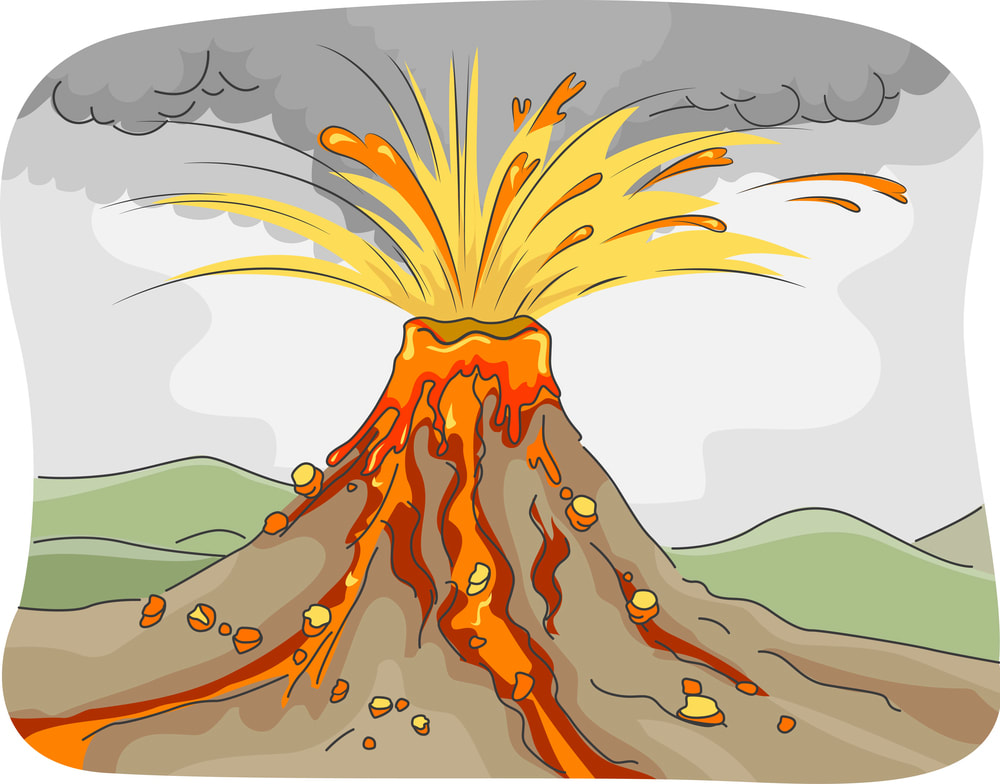
Plantar: relating to the sole of the foot. Fasciitis: inflammation of the fascia, the thin, fibrous tissue that surrounds muscles or other organs. The “itis” means it is inflamed. Plantar fasciitis is a painful experience. Every step. Standing too long. Those first steps when you get up from sitting or get out of bed in the morning. When I was suffering from it, I was seriously contemplating what my life would be like when I could no longer walk. That’s how bad the pain was. I tried the Banerji protocol for Plantar fasciitis: Symphytum 200c mixed with Rhus tox 30c, taken twice daily until better. I took it twice daily for a long time. It wasn’t getting better. Then, I had an x-ray done. Aha! I had heel spurs. The internet will tell you that heel spurs are not (necessarily) what causes the pain, it’s the plantar fasciitis that causes the pain. They figured this out because once upon a time they used to do surgery to remove the bone spur, but I guess that didn’t fix the pain so they decided that heel spurs aren’t painful. I disagree. Why do I disagree? Because when I took the remedy for bone spurs, Hekla lava 200c, my pain lessened by 80% within about a week. After many, many weeks of taking the plantar fasciitis remedy and getting nothing, and then trying a few other remedies to no avail — this was amazing progress. Could it have been that the Symphytum/Rhus tox combination finally kicked in and did what it was supposed to do? Maybe. Or, it could be a causal relationship between the two conditions. It could be that the plantar fasciitis causes the bone spurs or it could be that the bone spurs some how causes the plantar fasciitis. Heel spurs (aka plantar calcaneal spurs) are present in 45%-85% of those with plantar fasciitis (Kirkpatrick, Yassaie and Mirjalili, 2017). I don't think they have figured all this out yet. When you look at the remedy Hekla lava and how it was discovered, I’m going to give it the credit for reducing my pain. Hekla (sometimes spelled Hecla) lava is named after the Hekla volcano in Iceland. In the 1800s, a London physician noticed that the sheep grazing a short distance from the volcano had bone deformities (exostosis) of the jaws. They surmised that the finer ash from the volcano was actually the culprit. So, like cures like. The ash of the Hekla volcano causes exostosis of the jaws. (Exostosis: benign outgrowth of cartilaginous (made of cartilage) tissue on a bone.) The potentized (the dilution process used to make homeopathic remedies) Hekla lava can assist in removing the exostoses. I have not had a follow up x-ray to see if the heel spurs are gone. I don’t care, because the pain is gone. But, this story is a good indication of how conventional medicine and homeopathy can work nicely together. According to the Internet, the main answers to these painful foot problems in conventional medicine are: rest, icing the foot, orthotics, physical therapy, anti-inflammatory medicines, cortisone injections and surgery. To each their own. If you are experiencing foot or heel pain, contact me to see if homeopathy might help you. For more information: 1. on the proving of Heckla lava 2. Kirkpatrick, Yassaie and Mirjalili, 2017: The plantar calcaneal spur: a review of anatomy, histology, etiology and key associations. Photo by Conscious Design on Unsplash |
Julia Coyte, CHomI am passionate about homeopathy and I love sharing this passion. Having a working knowledge of homeopathy shouldn't be kept a secret. If people have the ability to help themselves, their children and their friends when they have minor ailments, life just gets better for everyone. That is the purpose behind Ruminating on Remedies. Archives
October 2026
Categories
All
|
 RSS Feed