 We are definitely in the dog days of summer here in the desert southwest. It is monsoon season but the rain is not landing on us. We do have a couple of rooms in the house that have a little air conditioner, the rest of the house is cooled with a swamp cooler. For the most part, I definitely prefer the swamp over refrigerated air — the windows need to be open for them to work properly (we still hear the birds and the the little fountain!) and we’re not hermetically sealed inside and they add some much needed moisture into our desert house. For those unfamiliar, a swamp cooler is an evaporative cooler, meaning it only works during low humidity. How high does the humidity need to be for the swamp cooler to turn the house swampy? Not very — once we go above 30% humidity, it starts to feel fruitless. See here for more information. As I write this, the swamp has cooled our porch down to 80 (from the 99 outside), but with 56% humidity I have the unusual (for us) experience of a water glass covered in condensation. These hot and (relatively) humid days, remind me of the movie 12 Angry Men. Have you seen it? The original film with Henry Fonda (1957)? Fantastic movie. If you haven’t seen it, put it on the list — again, the original black and white movie. (You’ll get over it not being in color soon enough. You can do it.) 12 Angry Men is about the 12 jurors stuck in a jury room where one juror holds out against the others — and, of course they have to confront their own biases and demons while enduring a hot, sweaty environment. There’s so much to say about this movie — swimming against the current… doing what is right even though you’re alone and it’s difficult… bias, prejudice and yes, anger. I’m not the only homeopath who watches a movie and wonders what homeopathic remedy may benefit each character. (See also, Fictional Wounds for a previous take.) I wish I had taken notes during the movie to flesh out the characters and their anger. In hindsight, it was really only 11 angry men and 1 who was determined, rather than angry. With these memories of this movie popping into my head with these hot and sweaty days, I thought I would take a look at different kinds of anger. Well, sort of — more of how anger is expressed or what sets it off. Let’s now look at our 12 angry men. It has been a couple of years since I last watched it and I didn’t take notes, so I did ask Grok for a review of the characters to refresh my memory (turns out I did pretty well without any notes — the movie must have made a bigger impression on me than I realized!)
Let’s ruminate on some anger remedies (and, rubrics)! Are there other rubrics? Absolutely! It’s a movie, I went very surface level, here! Note: I used Murphy (via RadarOpus) unless otherwise noted and I kept it to just two possible remedies for each man — just enough to get a broad overview of the anger aspect of each remedy. For the man who had to be right (#1) I would consider Platinum metallicum or Lycopodium.
#2, the man who was angry about missing a ball game, Ignatia or Gelsemium.
Man #4 is an angry bigot. The top 2 remedies are Causticum and Lycopodium.
Our 5th man is timid and doesn’t take kindly to being talked over. Here comes Lycopodium again, as well as Staphysagria.
Juror #6 is the man who is angry about being looked down upon due to his upbringing. Once again, we are comparing between Staphysagria and Lycopodium.
Angry man #7 is the one who would get angry when he felt the older jurors were not being shown the respect he thought they deserved. Colocynthis and Causticum.
#8 (should probably be #1 since he was the foreman) is frustrated by the lack of order — he worked hard to keep thing running properly. Aurum metallicum and Calcarea carbonica are two remedies which take their responsibilities seriously.
The 9th man was indignant about how he perceived others’ prejudices clouding their judgement. The two remedies I would think about for this man are Nux vomica and Ignatia.
Juror #10 is the man who was righteously angry that others were not showing the proper respect to the justice system. This was a harder one to figure out, but I came down to Kali carb and Cuprum metallicum.
#11 is a man who was irritated at having to be inconvenienced. This one, too, has so many underlying possibilities, it’s hard to get a handle on it, but I am going to make a couple of assumptions in my rubric choices. The main remedy that comes up is Nux vomica but further down the way were two rubrics that led me to an interesting choice of remedy that I would not have thought about: Ipecac.
12 Angry Men nicely illustrates the individualization of homeopathy — there is not one remedy that would address the various expressions of anger in all these men. Their past experiences and the way their anger shows up and what they do with that anger — these are all very important considerations in finding a suitable homeopathic remedy. This article has been rolling around in my head since I last saw this movie a couple of years ago and I now know why it took so long to see the light of day — it’s actually a really big topic. (Look for the Digging Deeper into Angry Remedies soon.) It turns out, though, that I was more than happy to while away some of these really hot days sitting in front of my fan, listening to my little fountain outside the open window and finally putting some possible homeopathic remedies to these characters. Julia Coyte, CHom Classically Practical homeopath #wellnessawaits Reference listArndt, H. E., 1904. First Lessons in the Symptomatology of Leading Homoeopathic Remedies. accessed through Radar Opus software.
Buck, H., 1895. The Outlines of Materia Medica & Clinical Dictionary. accessed through Radar Opus software. B. Jain Publishers. Clarke, J. H., 1902. A Dictionary of Practical Materia Medica. accessed through Radar Opus software. Cowperthwaite, A. C., 1909. A Text-book of Materia Medica and Therapeutics, Characteristic, Analytical and Comparative. accessed through Radar Opus software. Farrington, H., 1935. Homeopathy and homeopathic prescribing : A study course for graduate physician. Master, F., 2017. Clinical observations of children’s remedies. New Delhi, India: B. Jain Publishers (P) Ltd. Master, F. J., 2003. Suppressed staphysagria. B. Jain Publishers. Murphy, R., 2003. Homeopathic medical repertory : a modern alphabetical repertory. Blacksburg, Va.: H.A.N.A. Press. New England Journal of Homeopathy, 1995, 4 (2). accessed via Radar Opus software New England Journal of Homeopathy, 1996, 5 (2). accessed via Radar Opus software Shore, J., 1990. Seminar Glasgow [Scotland]. Presented at the Seminar Glasgow. Accessed through Radar Opus software Vermeulen, F., 2004. Prisma : the arcana of materia medica illuminated : similars and parallels between substance and remedy. accessed through Radar Opus software. Haarlem, Netherlands: Emryss.
0 Comments
 I have written specifically about the Banerji Protocols and the Narayani combinations (here, here, and here. The Boiron over-the-counter combos are sprinkled throughout my articles. I have mentioned the BHI combos only once in my Digging Deeper article about hemorrhoids. Perhaps it’s because I don’t see these too often any more that they are not front and center in my mind. BHI/HEEL — I’m honestly not certain what the technicalities are between these/this company/companies. MediNatura (maker of Traumeel,) is another name that is part of this company puzzle. I do know they at least were based in New Mexico - maybe that’s why I saw their products on the shelves. Not so much these days, though. They are still out there, however — for purchase through the internet. What are they? They are a smaller line of homeopathic combinations, compared to the Narayanis and they do not use the mega potencies that some Narayanis do; in fact, most (all?) of their combos are made using low x potencies. You may be familiar with their T-Relief and Traumeel (a personal favorite combo of mine). What else do they have? In addition to the Hemorrhoid combo listed above, to list just a few more:
Since we are in the middle of cold and flu season, let’s take a very quick (and by no means complete) look at BHI’s ReBoost combo and why they have included the remedies they have (including one I have never heard of so let’s learn together):
What else about the BHI combos? If you want to spend a little time searching the internet, you can find old copies of their manuals. Apparently, they used to make an awful lot more combinations. Alas. Like the Narayani books, I find these BHI guides helpful for learning remedies. As I have said in previous articles about combos which are no longer available, you can make your own. You don’t have to be perfect. If their combo calls for a potency that is not readily available to you, choose the nearest potency you can find. For instance, their old “Exhaustion” combo contains Sepia 12x — not so easy to find. Sepia was also used in the Hyland’s no longer available combination called “Awake” in a 30x. But, if you were making your own combination reflecting these remedies, a 6c would be a good substitution. (Margriet Plouvier-Suijs equates 12x-14x to a 7c**, another not so easy to find potency, but we can be pretty sure a 6c is pretty close to a 7c in it’s action.) When I first really got interested in homeopathy, years before becoming a homeopath, I had a whole line up of Heel containers on a spice rack shelf in a kitchen cupboard. It was so nice to have an alphabetical line up of go-to remedies: Headache, Nausea, Spascupreel, Traumeel… The names may change but the idea remains the same — an excellent way to cover lots of homeopathic bases right there at your fingertips - no thought required! Julia Coyte, CHom Classically Practical homeopath #wellnessawaits *I have zero affiliation with any of these companies — I just like their products. ** France seems to use odd numbers, the rest of the world even🤷♀️ Reference list
Plouvier-Suijs, M., 2014. About potencies. Emryss Publishers. Sadeghsoltani, F., Mohammadzadeh, I., Safari, M.-M., Hassanpour, P., Izadpanah, M., Qujeq, D., Moein, S. and Vaghari-Tabari, M., 2021. Zinc and Respiratory Viral Infections: Important Trace Element in Anti-viral Response and Immune Regulation. Biological Trace Element Research [online].  I was beginning to think the flu season may have just skimmed over the world this year, but here it is… a little later than usual, but, just like always, it is no fun. And, just like always, a little prevention can go a long way. (See also: Calming the Cold; Flu Remedies to Consider; Ho Ho Ho, (not Oooooh No!); Ahh-choo; On the 4th Day of Cell Salts… Ferr Phos.) Let’s jump ahead to the unfortunate situation we see in the picture above where those early signals were missed (or, ignored) and, here we are, unable to get out of bed… feeling just awful and the kids are hungry. (Oh, man, I remember those days. So painful!) So, where would one start in this scenario? Below are seven MAIN COMPLAINTs, followed by 4 or 5 commonly found remedies with 4 or 5 symptoms each which may help to choose a remedy to get back on your feet quickly. Remember! We are not looking for perfection. We are looking for improvement. We are looking to move the worst symptom out of the way for a minute so you can do what you need to do and then, when that’s done, get back into bed to rest properly. This is far from a complete flu repertory. The intent here is to put as many remedies as possible in a quick list. All of these remedies could (pretty much) be listed under all of the headings. In other words, they are (for the most part) wide-reaching flu remedies. Choose the worst MAIN COMPLAINT (found in BOLD CAPS) you are experiencing at the moment and then choose the remedy that best fits your current symptoms. Notes:
 ACHING BODY: Arnica
 COUGH: Antimonium tart
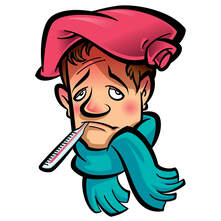 FEVER*: Aconite
 GASTRO: Arsenicum album
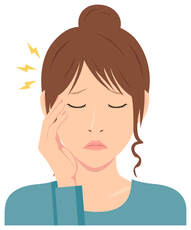 HEADACHE: Belladonna
 NOSE: Arsenicum album
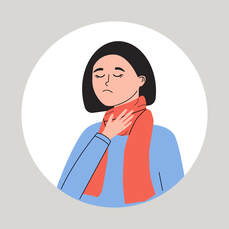 SORE THROAT: Causticum
It’s important to remember that there are many, many homeopathic remedies for each of these main symptoms. This is just a brief list which may help to get dinner on the table or that important email answered. Julia Coyte, CHom Classically Practical homeopath #wellnessawaits * Be sure to seek treatment if the fever is very high, continues to climb or is accompanied by seizure or fainting or severe headache or stiff neck (to name but a few concerning symptoms). For more information:
If you have already been through the worst of the flu, check out “Get Well Soon” to find a few helpful tips on recuperating.  No matter what you want to call it … (if you’re squeamish, just know we’re talking about diarrhea and skip forward to the next paragraph). If toilet humor is your thing, here we go: Number 3, Chocolate Thunder, Poo Stew, Rectum Rapids, Turd Tea, Emergency Evacuation, The Squirts, Brown Bomb, Liquid Lunch, Poop Soup … I’ll stop now. (If you would like a few more unseemly names, see Travelers’ Diarrhea.) Don’t worry, I won’t continue with the graphic descriptions. What follows is a long list of situations where one might experience diarrhea and the most highly indicated remedies for each. Once again, if you are experiencing diarrhea beyond an acute bout, please seek professional medical advice. Before embarking on my long list of unfortunate bottom-related circumstances, let me share one of my first amazing homeopathic "wowee!" moments. We were traveling and my then young teenage son was very sick in the night with suspected food poisoning. I was hemming and hawing, trying to remember what I had learned about remedies. I went with Veratrum album and within minutes everything stopped. I mean, everything completely stopped. He slept the rest of the night and woke up fine and dandy. “Better out than in” is what we say around here! As a result of this experience, I keep a little vial of Veratrum album in my little travel kit that accompanies me every time I leave the house with my suitcase. Veratrum album is my go-to homeopathic remedy for if things are coming out of both ends. What else may point to the use of this remedy? The diarrhea (or vomiting) may be violent, voluminous and relentless. Collapse following diarrhea (not the only well indicated remedy in this rubric, but a good place to start). The person may be cold: cold limbs, generally chilly, and/or clammy. Diarrhea with perspiration. Diarrhea after eating fruit; diarrhea after eating cucumbers (technically a fruit, after all). Diarrhea during menses. Diarrhea which is made worse by movement/motion (Bryonia is another one to think of for this symptom). And, here’s one more unusual concomitant symptom for Veratrum album: hiccups during diarrhea. Isn’t that just what you need in that situation?! Children & Diarrhea: If you have an infant with diarrhea, administer Podophyllum on the way to see the doctor — dehydration can set in quickly. Diarrhea while cutting teeth: Chamomilla. Chamomilla is such an excellent remedy for children, in general, and it doesn’t let us down in this situation, either (but these symptoms are not confined to children. With everything homeopathy, if the symptoms match, the remedy would be effective for man, woman, child or animal.) Diarrhea with abdominal pain. Diarrhea: following anger; after taking a cold; after eating and, specifically after eating rhubarb. Emotional diarrhea or from excitement. During hot weather. Painless diarrhea. And, here is a rubric unique to Chamomilla (but hopefully you wouldn’t find this in a child!): diarrhea after smoking. The Elderly & Diarrhea: Like children, the elderly, too, have some remedies with great affinity to their age. In this particular situation, I would lean toward China officinalis. China is so good for enfeebled people, as can often be found in the later years. In particular, China is useful for weak digestion; dyspepsia/indigestion; flatulence; chronic belching. Dysentery, in simple terms, involves frequent bowel movements with blood and mucus in the stool, often accompanied by cramps and pain. Give some China while on the way to see a doctor. Please seek medical assistance if you are experiencing these symptoms. If diarrhea and constipation alternate in older individuals, consider Antimonium crud. On to the general list… If experiencing abdominal pain, and it feels like diarrhea is imminent, Aloe would be my first recommendation. There may be accompanying weakness. Diarrhea after eating and in particular, diarrhea following the slightest dietary indiscretion. Walking makes it worse. Lots of toots during the diarrhea. There are a few rubrics where Aloe and Sulphur “tie” when it comes to diarrhea: burning pain in the rectum; being driven out of bed in the morning, needing the toilet desperately (Sulphur has the specific times of 5-6 am); painless diarrhea; standing makes it worse. Where Sulphur “wins out” over Aloe: diarrhea after beer and nighttime diarrhea, especially after midnight. If the diarrhea alternates with another symptom, such as:
Diarrhea and emotions:
Feeling wiped out after all that wiping? China is a good place to start. If the weakness is particularly pronounced, also consider Phosphoric acid. If the act of wiping actually causes pain: Graphites. Diarrhea during pregnancy: Phosphorus Diarrhea during menopause: Lachesis Diarrhea following an injury: Arnica If it’s coming out as from a hydrant: Podophyllum If it has a really noxious smell: Baptisia Diarrhea following the consumption of:
If you find your appetite increases with diarrhea: Petroleum. Cold hands with diarrhea: Phosphorus Cold feet: Lycopodium Cold limbs: Arsenicum album, Camphora and Veratrum album Positionally speaking: If lying down make it worse: Dioscorea If lying down makes it better: Bryonia (though it may be worse lying on your side) Sitting upright makes it worse: Bryonia Time of day: If it starts after you have risen from bed and moving around: Bryonia or Nat sulph After midnight: Arsenicum album or Sulphur If the diarrhea causes sleeplessness: Phosphorus I changed my mind. I will use one more dysphemism: the sharts, also commonly referred to as “gambled and lost” (Flanagan 2010). If you are having diarrhea during rectal flatus, there are a number of well indicated remedies, but I would start with Aloe — the remedy for an insecure rectum (click that link to read the previous article with the same name.) What would cause an “insecure rectum?” Let’s go back to Giulia Enders’ Gut for this explanation. Apparently we have a pair of “sophisticated” sphincters which Enders takes a few pages to explain and I am going to try and shrink it down to the bare essentials using her words, (but the full explanation is certainly worth a read). “The outer muscle is a faithful servant of our consciousness. When our brain deems it an unsuitable time to go to the toilet, the external sphincter obeys and stays closed with all its might. … Our internal sphincter is a no-nonsense little guy. His motto is, ‘If it’s gotta come out, it’s gotta come out!’ … The external sphincter, on the other hand, has to deal with the vagaries of the outside world and its many options.” Suffice it to say, we need these two sphincters to communicate well. A few more remedies for involuntary stool (not necessarily diarrhea):
As you can see, homeopathy can be invaluable when it comes to diarrhea — there is a homeopathic remedy for almost any situation! Julia Coyte, CHom Classically Practical homeopath #wellnessawaits References:
Enders, G., 2015. Gut : the Inside Story of Our Body’s Most Underrated Organ. Greystone Books. Flanagan, D., 2010. Everybody poops 410 pounds a year : an illustrated bathroom companion for grown-ups. Berkeley, Ca: Ulysses Press. Murphy, R., n.d. Homeopathic Remedy Guide. accessed through Radar Opus software.  Tis the season for… Sore Throats. Sore throat complaints are keeping me busy this month! Some have the dreaded Covid, some have the flu, some may have strep throat and some people just have a sore throat. What to do about this pharyngitis? (Pharynx is the part of the throat behind the mouth and nasal cavity and “itis” for inflammation.) Well, at the first sign of feeling unwell, I like the Banerji protocol of Aconite 200c mixed with Bryonia 30c. Taking this right away can often nip things in the bud and send the yucks away before they can settle in. Another option for those who are quick on the draw is Ferrum phos 6x. This, too, can often turn things around in short order. Once the yucks have made themselves at home and one is definitively feeling unwell, let’s look at a few homeopathic remedies which may help. (Note: There are many remedies which can be helpful for sore throats, these are just a few of my favorites.) See also: Calming the Cold; Some Flu Remedies to Consider and Tis the season for the crud. Baptisia Extremely painful, dark red throat, where swallowing liquids is the only option and even that is very difficult, despite being thirsty; tiny bites of food gags them. They may have swollen glands and/or bad breath. Belladonna The sore throat appears suddenly and generally hurts more on the right side with burning or throbbing pain. The throat and the tip of the tongue may be red. Pain is worse from turning the head, touching the throat and swallowing, especially liquids. Face will often be red and hot but the hands and feet tend to be cold. Gelsemium Burning and rough sore throat with pain that extends from the throat to the ear. May feel like there’s a painful lump in the throat that cannot be swallowed. Pain in the sternocleidomastoid — the long muscles on either side of your neck. Paralysis of the vocal cords. Swallowing solid foods is difficult. Hepar sulph Homeopathic Hepar is known for a sticking sensation in the throat, like a splinter or a bone. Pain extends to the ear on yawning and swallowing. May hawk up thick, yellow, sticky mucus. Wrapping up the external throat feels good. Cold drinks or becoming cold makes them feel worse but warmth in general and warm drinks can help. There may be a pulsation felt in the throat and they may feel worse in the evening and at night. Very sensitive to the pain and sensitive to everything else, too, actually and they may be irritable and impatient. Lachesis A purple throat, often on the left side (or starts on the left and moves to the right) and feels worse when swallowing liquids — even saliva is difficult — empty swallowing makes the throat hurt even worse (though they may have a constant desire to swallow). Swallowing solids may be easier. May have a disturbing constricting sensation, causing them to loosen clothes around the throat. Ear pain with sore throat. There may be a sensation of breadcrumbs or a painful sensation of a lump or plug which is not relieved by swallowing. They may choke easily, especially on falling to sleep and may have a suffocative feeling. Often feel worse on waking. Lycopodium Often on the right side with a dryness in the throat and they may not be very thirsty. A stitching pain on swallowing which is better with warm drinks and worse with cold drinks. Choking on swallowing. They may feel like there is a lump or a plug in the throat. They are chilly but they also want fresh air but are worse becoming cold or eating/drinking cold things. May have digestive issues at the same time as the sore throat. Mercurius sol Lots of saliva and a raw, rough and burning feeling in the throat. Lots of slime gets stuck in the throat and there may be drooling while sleeping. Swollen glands. A bad or metallic taste in the mouth and may have bad breath. The throat may be copper colored. Throat pain on coughing. The throat may be worse at night and they may also experience night sweats. Finding the right temperature is often difficult. Rhus tox Body aches and restlessness may accompany the sore throat. The tip of the tongue may be red. The throat becomes irritated and the voice becomes hoarse and is often worse from talking. The pain is worse from swallowing at first, but improves with more swallowing. Warmth is helpful and moving around may help, too — feeling worse when they are resting. Like the swallowing, they may feel worse when first moving around but better as they keep moving. When to see a doctor? According to the Mayo Clinic, see a doctor if:
TONSILLITIS A few quick notes relating to tonsillitis. (Note on type: Most highly indicated, highly indicated and indicated.) Again, there are many homeopathic remedies for tonsillitis and I am just focusing on the throat remedies already mentioned. Tonsillitis, in general — in order of importance: Belladonna, Ferrum phos and Mercurius. Hepar & Lachesis. Baptisia and Lycopodium. Tonsillitis with pus: Hepar, Mercurius. Belladonna, Lycopodium, Lachesis Hardness of hearing with tonsillitis: Hepar, Lycopodium and Mercurius Chronic, recurring tonsillitis: Hepar, Lachesis and Lycopodium Painless tonsillitis: Baptisia Burning pain in tonsils: Belladonna and Mercurius Purple tonsils: Hepar and Lachesis Bright red tonsils: Belladonna and Ferrum phos Dark red tonsils: Baptisia and Lachesis Tonsillitis in children: Ferr-phos, Lachesis, Lycopodium and Mercury Sharp pain in tonsils: Belladonna, Lachesis, Lycopodium and Mercury Tearing pain in tonsils: Belladonna Throbbing pain in tonsils: Belladonna STREP THROAT Strep throat is another possibility and can lead to long term problems in rare cases. Unlike most sore throats, strep is caused by bacteria. Strep A is big in the news this year, especially in the UK, but there are other strains of strep which can cause throat problems, too (A, C & G are the primary throat culprits). I never messed around with strep throats when my kids were little because I know two people who suffered terribly as a result of untreated strep. “Untreated strep throat can cause an autoimmune reaction in which the body attacks its own tissues and may lead to rheumatic fever, chorea and kidney damage” (Berkow et al. 1995). How can you tell the difference between a sore throat and Strep throat? Ultimately, for a full diagnosis of strep throat, you need to see a doctor and get a throat culture. According the the Merck Manual and the Mayo Clinic, strep throat symptoms typically appear suddenly and include:
In very young children (under 4), the only symptom may be a runny nose. (When my kids were little, I learned that strep infections in littles may present with only stomach problems, so keep that in mind.) “People with strep throat generally get better in 2 weeks, even without treatment. … antibiotics can shorten the duration of symptoms in young children and prevent serious complications such as rheumatic fever” (Berkow et al. 1995). (Note: There are homeopathic remedies which can be helpful in strep throat, but that is beyond the scope of this article.) If you are suffering from a sore throat, try one of these homeopathic remedies so you can get back to some painless Fa La La-ing before the festive season is behind us. Julia Coyte, CHom Classically Practical homeopath #wellnessawaits Reference list
Berkow, R., Beers, M. and Fletcher, A., 1995. The Merck Manual Home Edition. Merck Research Laboratories. Mayo Clinic, 2018. Strep throat - symptoms and causes [online]. Mayo Clinic.  Did you know that October 18th is World Menopause Day? (Nor did I.)
The International Menopause Society says it is, so it must be true. The IMS have a goal “to work globally to promote and support access to best practice health care for women through their menopause transition.” A good goal, to be sure. I certainly hope they include homeopathy in their best practices! This year, IMS is focusing on Cognition and Mood associated with menopause. Their website provides a leaflet on Menopausal Brain Fog with some interesting data, if you’re curious. Brain Fog is a complaint I hear often from women of a certain age and I addressed it here where I shared the Banerji Protocol for menopausal brain fog — an excellent place to start for “Cognition and Mood” during menopause. Protocols don’t address every condition for every person, so if you try the protocol and don’t get any joy, work with a professional homeopath to relieve your specific condition. Homeopathic remedies can be very helpful in relieving the symptoms of menopause and peri-menopause in general. In addition to brain fog, hot flashes are right up there in common complaints. Homeopathic Ammonium carb may address some level of hot flashes, especially when there is heat in the face and/or sweaty feet. Becoming heated can cause aggravation or even result in a headache. Unlike some of the remedies that follow below, Am-carb women may have an aversion to open air. Lachesis is my “go-to” remedy for hot flashes as I have seen some pretty amazing things happen when women suffering from hot flashes use homeopathic Lachesis. Hot flashes may be more intense around the head and neck while their hands and feet remain cold. They have no tolerance for warm and stuffy rooms; craving cool, fresh air. There is also very little tolerance for tight or constricting clothing, especially around the neck or waist. All symptoms may be worse on waking. Because of this, falling asleep may be daunting. Sepia can be cold during the day and hot during the night resulting in drenching sweats only to end up chilly again. These sweats may also show up from minimal physical effort. Hot flashes may begin down low and move upward. Women benefitting from homeopathic Sepia often suffer from low energy but are energized through exercise. Pulsatilla hot flashes may be experienced when anxious or upset. Open windows with fresh air are are needed all the time…, they feel better outdoors. Constant fluctuation between being too hot and too cold. This changeability may be found elsewhere: mood swings, constantly changing bowel habits and wandering pains. Sulphur is kind of the “mother of all hot flashes.” They are warm all the time and rapidly overheat. These flashes can be very distressing and may be followed quickly by chilliness. In general, homeopathic sulphur has irregular heat distribution throughout the body. They may also find some parts are hot while other parts remain cool. They have a tendency to sweat excessively, especially around the head, feet and armpits and this sweat may be strongly odiferous. They are too hot for covers at night, especially the feet, and may also suffer from rashes, which are worse from heat. The experience surrounding menopause can last for many years — the perimenopause leading up to, the menopause itself as well as the years following the cessation of periods. That’s potentially a very long time to be suffering needlessly. Do yourself a favor and try some homeopathy. Julia Coyte, CHom Classically Practical homeopath #wellnessawaits 
  Whether a river, an ocean or a pool -- nothing is as inviting as a body of water on a hot, summer’s day. It’s cool and refreshing, but, after a shallow dive into the subject … I hate to be the bearer of bad news, but it can be dangerous! Let’s start with a dip in the pool, which is most likely chlorinated. Some people are particularly sensitive to the chlorine and can develop what is known as SWIMMER'S EYE or, chlorine conjunctivitis. It is essentially eye irritation but it stings and it can be pretty miserable. Goggles can help, but that's not a sure thing to keep it at bay. Homeopathic Euphrasia or “Eyebright” for burning eyes and watery eyes. Pain as if something were in the eye. Puffy eyes. Red eyes. When “eye” is in the name of the remedy, you know it’s a good place to start. Arsenicum album for profuse, watery, burning discharge. There is often a level of restlessness. Or, Similisan’s Redness & Itchy Eye Relief* would be a good thing to keep in the cupboard if you or your child is prone to this. --------------------------------------------- Moving from the pool to a natural body of water can bring it’s own set of problems, namely, SWIMMER'S ITCH or Cercarial Dermatitis. Caused by a parasite that gets under the skin (Kolářová et al. 2012) and triggers an allergic reaction, swimmer’s itch is as the name suggests, an itchy rash. If the rash is blistery and oozy, look to Graphites. If the rash burns, stings and itches, try Sulphur. If the rash stings and is raised and fluid filled, try Apis. ------------------------------------------- SWIMMER’S EAR Regardless of what kind of water you’re swimming in, swimmer’s ear is basically an outer ear infection caused by trapped water in your ear that can lead to the growth of bacteria (Mayo Clinic). For sharp ear pain with a sudden onset, Belladonna. There may be redness and throbbing pain. An aching ear pain that feels like the ear is stopped up, Chamomilla. If there is discharge and itching, try Hepar sulph. Or, Similason has a new formula: Swimmer's Ear Relief*. ------------------------------------------- If you are lucky enough to be near the ocean, beware of JELLYFISH! Potentially harmful jellyfish are found in most oceans and can cause both dermatological problems as well as systemic issues (Mebs 2014). The venom of the 51 species of box jellyfish can kill a human in less than 2 minutes (Baldwin 2022). The Wilderness Medical Society has published “Jellyfish Stings: A Practical Approach” (Lakkis et al. 2015). If you left your stinger suit hanging in the closet and manage to get stung, conventional medicine doesn’t have a lot to offer. “The literature published on the treatment of jellyfish stings is limited, conflicting, and lacks consensus.” In short, help the person out of the water, keep them from rubbing the stung area and reassure them. Some say to apply cold, others heat. If it’s a life-threatening species, call an ambulance immediately. (Be careful when helping someone with a jellyfish sting as stinging cells may be spread on contact.) Once again, this is a situation where homeopathy can come in very handy. Homeopathy doesn’t care if the sting is a result of a jellyfish or a bee. If the symptoms match the remedy, there is a good chance relief will follow. First Aid with Homeopathy (Mateu 2020) says applying vinegar can decrease the effect of the toxins. For all these homeopathic jellyfish remedy recommendations, repeat every five minutes until significantly better and then begin to lengthen the time between doses. For most “run of the mill” jellyfish stings, try Apis mellifica. For intense burning and stinging followed by redness and swelling. The person needing Apis will generally be worse from warm applications. If the affected area feels cold and also feels better from cold, try Ledum. Urtica urens can be applied topically as well as ingesting the homeopathic remedy. The person needing Urtica will be experiencing great itchiness and burning, similar to experiencing stinging nettles (from which the remedy is made). If the pains are more neuralgic in nature and radiating out, try Hypericum. ------------------------------------------- HYPOTHERMIA It’s a warm, beautiful day with a little breeze and you think, “what could possibly go wrong?” Well, Hypothermia is one thing that can ruin your day. “That only happens in the cold, right?” Um. Nope. The only requirement for hypothermia to set in is anything that causes a severe drop in body temperature. It can happen in perfect conditions (Florida Fish and Wildlife Commission 2022) and, actually, swimming doesn’t even need to be involved. It can happen from being in the water or from being caught in a rainstorm. When I was a kid, my brother went sailing on a too cold day and he returned way too cold. I remember being instructed to lie down on the kitchen floor next to him under a blanket to try and warm him up. I now know that is termed “external passive rewarming” and is the method of choice for mild hypothermia. A slow and gentle warming is what you’re after. For hypothermia to set in, the water doesn’t have to be cold, just cooler than your body temperature. Children, the elderly, injured or intoxicated people are more susceptible (Paal et al. 2022). Shivering, confusion, breathing issues, and muscle dysfunction are some of the symptoms which may be experienced with a significantly lowered body temperature. The Natural First Aid Handbook (Mars 2017) recommends hot water bottles to the groin and sides of the torso and warns against rubbing or massaging an individual with hypothermia. First Aid with Homeopathy (Ratera 2016) recommends hot liquids and moderate warmth to the abdomen via a hot water bottle and also talks about breath as a treatment for hypothermia. “The helper places his mouth against the spine, between the shoulder blades, and breathes out in long breaths, blowing directly against the clothing. Almost immediately, local heat is felt, and gradually this heat spreads through the body if the exercise is continued. This technique helps to warm, and also to calm the patient. It can therefore also be used in crises of asthma or panic, to calm the patient and restore natural breathing.” Fascinating! Other than warming the person, what can be done? Homeopathy, of course! If the person is conscious, give a dose of Aconite to help with the shock. Bellis perennis is useful in thermal shock (Ratera 2016). Thermal shock can happen from any sudden exposure to cold when the body is hot — even drinking cold drinks when the body is hot. Carbo vegetabilis can be useful for persons who are chilly, with cold perspiration and cold breath. Other symptoms may include coldness, numbness and weakness. Veratrum album is for internal coldness, as if ice-water is in the veins. Weakness and collapse with coldness. If the person is icy cold but wants to be uncovered, consider some homeopathic Camphor. Cramps, convulsions or shock may be present. ----------------------------------------- DROWNING Regardless of the size of the body of water, drowning is always something to watch out for and contrary to what we have seen in the movies, drowning is often completely silent (Redcross. CA 2013). See sidebar for "signs a swimmer is in trouble." According to Stop Drowning Now (2018), in the US, 10 people die every day from drowning. “Drowning is fast and silent and can happen in as little as 20-60 seconds.” When my son was little, I turned my back to get his floaties and the other mother with me (who I thought was watching all the kids!) said, “I didn’t know he could swim.” I turned around and I saw him standing on the bottom of the pool, completely underwater, eyes open, looking up at me. He couldn’t swim! He definitely did not belong there! That could have been a disaster. It was absolutely instantaneous — shockingly fast! Thankfully, he was completely fine. I will never be able to get that vision out of my mind. It was terrible. CPR or the Heimlich maneuver, followed by mouth-to-mouth is the standard recommendation. Venema (et al. 2010) claim that 30% of rescued drowning victims require CPR. Get medical help immediately. If the person is unconscious, administer homeopathic Carbo vegetabilis while waiting for help to arrive. Carbo veg is known as “the corpse reviver” and should be administered frequently. To avoid inhaling the remedy, place the pellet between the lips and the teeth and let it dissolve there. If the person is better when sitting up but is experiencing a rattling in the chest, try Antimonium tart. Lachesis is indicated when the person is suffering asphyxia and the pulse is very weak. If there is a “near miss” like I described with my son, it may not be over and done with when you have them out of the water and breathing on their own again. Jama Pediatrics (Stern and Thompson 2022) notes that “symptoms of drowning such as gasping or difficulty breathing most commonly occur immediately. In rare cases, symptoms may develop after a nonfatal drowning. If a child develops worsening cough, fast breathing rate, vomiting or change in mental status after nonfatal drowning, take them to the nearest emergency department for evaluation.” It may seem like it’s better (and safer!) to just dip your toes in the water to cool off, but no! Life is too short to sit out the swim! Julia Coyte, CHom Classically Practical homeopath #wellnessawaits * I have no affiliation with this company, I just like their products.  REFERENCES AND FURTHER READING:
Baird, J. K. and Wear, D. J., 1987. 12 Cercarial dermatitis: The swimmer’s itch. Clinics in Dermatology, 5 (3), 88–91. Baldwin, E., 2022. Box Jellyfish: The Dangerous Jellyfish | Ocean Info [online]. oceaninfo.com. Florida Fish and Wildlife Commission, 2022. Hypothermia [online]. Florida Fish And Wildlife Conservation Commission. Gordy, M. A., Cobb, T. P. and Hanington, P. C., 2018. Swimmer’s itch in Canada: a look at the past and a survey of the present to plan for the future. Environmental Health, 17 (1). Hoeffler, D. F., 1977. ‘Swimmers’ itch’ (cercarial dermatitis). Cutis [online], 19 (4), 461–465, 467. Kolářová, L., Horák, P., Skírnisson, K., Marečková, H. and Doenhoff, M., 2012. Cercarial Dermatitis, a Neglected Allergic Disease. Clinical Reviews in Allergy & Immunology [online], 45 (1), 63–74. Lakkis, N. A., Maalouf, G. J. and Mahmassani, D. M., 2015. Jellyfish Stings: A Practical Approach. Wilderness & Environmental Medicine [online], 26 (3), 422–429. Lessell, C. B., 1999. The world travellers’ manual of homoeopathy. Saffron Walden: C.W. Daniel. Mateu, M., 2020. First aid with homeopathy. Kandern, Germany Narayana Verlag. Mayo Clinic, n.d. Swimmer’s ear - Symptoms and causes [online]. Mayo Clinic. Mayo Clinic, n.d. Swimmer’s itch - Symptoms and causes [online]. Mayo Clinic. Mebs, D., 2014. Durch Quallen verursachte Verletzungen. Jelly Fish Sting Injuries Der Hautarzt [online], 65 (10), 873–878. Paal, P., Pasquier, M., Darocha, T., Lechner, R., Kosinski, S., Wallner, B., Zafren, K. and Brugger, H., 2022. Accidental Hypothermia: 2021 Update. International Journal of Environmental Research and Public Health [online], 19 (1), 501. Ratera, Dr. M. M., 2016. First Aid with Homeopathy. Kander, Germany: Narayana Verlag. Redcross. CA, 2013. Drowning: A silent killer - Canadian Red Cross [online]. Red Cross Canada. Schmukler, A. V., 2006. Homeopathy : an A to Z home handbook. Woodbury, Minn.: Llewellyn Publications. Smith, S., 2007. Medical homoeopathy. West Wickham England: Winter Press. Stern, A. M. and Thompson, L. A., 2022. What Parents Should Know About Drowning and Dry Drowning. JAMA Pediatrics [online]. Stop Drowning Now, 2018. Facts & Stats About Drowning - Stop Drowning Now [online]. www.stopdrowningnow.org. Szpilman, D., Bierens, J. J. L. M., Handley, A. J. and Orlowski, J. P., 2012. Drowning. New England Journal of Medicine [online], 366 (22), 2102–2110. Venema, A. M., Groothoff, J. W. and Bierens, J. J. L. M., 2010. The role of bystanders during rescue and resuscitation of drowning victims. Resuscitation [online], 81 (4), 434–439. |
Julia Coyte, CHomI am passionate about homeopathy and I love sharing this passion. Having a working knowledge of homeopathy shouldn't be kept a secret. If people have the ability to help themselves, their children and their friends when they have minor ailments, life just gets better for everyone. That is the purpose behind Ruminating on Remedies. Archives
October 2026
Categories
All
|


 RSS Feed