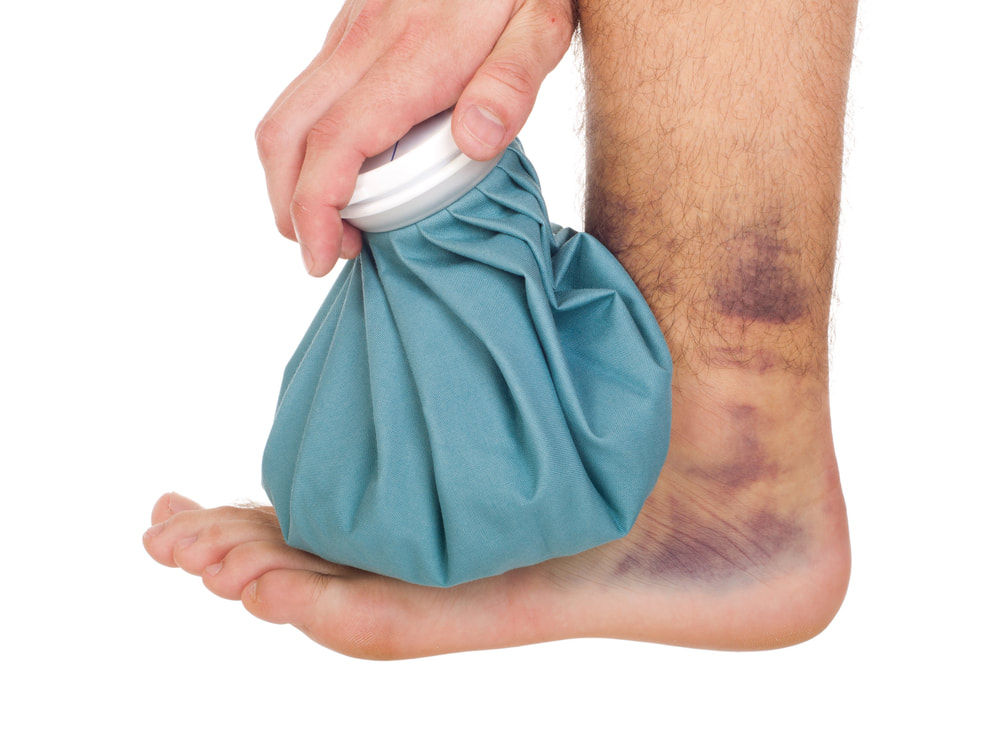
 A couple of months ago, we were given some “new” information about Tylenol. In actuality, there was nothing new about this information, it was just brought to our broader attention through “official” channels. (See, also: The Road Less Traveled, from 2022, where I brought a little light to the darker sides of over the counter (OTC) painkillers for headaches*.) “But, popping a painkiller is so easy!” I know. I truly do. There is a song called “The Sinking Feeling” by the band The The, which says, “The path of least resistance leads to the garbage heap of despair (air-air-aiiir), I think I’d better get back in bed.” I like the whole song, but that one line is what really sticks with me. Taking the easy route is not always the best choice. I am confident in saying that when it comes to dealing with your pain, taking the road less traveled is well worth the time and energy required to figure it out. Using OTC painkillers don’t just block the pain, they block important healing messages to get the job done, doing what the body is meant to do — fixing what’s wrong. “In all the cases, the immense advantage of homeopathy is that it cures in a gentle, quick and lasting manner, according to Hahnemann’s postulates. In this sense, there is no other therapeutic capable of being compared to it. Besides, it is never harmful, it is never dangerous, it never produces side effects because it lacks all chemical substance; thus, it is the best therapeutic ever invented by human beings.” For the sake of discussion, let’s assume we are dealing with a sprained ankle. What exactly is a sprained ankle? A sprain is a trauma to the ligaments by stretching it too far; this causes pain and difficulty with movement. “A mild sprain is really a pulled or strained ligament, with tenderness and mild swelling, but no tearing of tissue. A moderate strain** has partial tearing of the ligament, while a severe strain entails a complete tear, with corresponding degrees of swelling, bruising and inability to move the joint or bear weight” (Hershoff 2000). Conventional treatment involves applying ice to the area and wraps to compress the area. Taber’s also recommends “analgesics and NSAIDs.” As we’ll see below, not all sprains respond well to ice and wraps — another place where homeopathy shines. We can use those data points to help us find the best suited remedy. Let’s get back to the simplicity of the over-the-counter pills… How do they work? If you ask an AI, it will tell you that the exact mechanism of acetaminophen (e.g., Tylenol) is not fully understood, but it is believed to work through the central nervous system to block pain signals. Ibuprofen (NSAIDS/Advil), on the other hand, blocks the production of prostaglandins. What are prostaglandins again? In simple terms, prostaglandins are the chemical messengers that cause pain, swelling, and fever — let’s call that the “alarm system”. In short, Advil turns off the alarm system at the source (blocks the prostaglandins). Tylenol turns the volume down on the alarm sounds in your brain — the alarm is still going, you just don’t “hear” it as loudly, so the pain feels less intense. Sounds like a solid plan to me! What could be the problem with it? Taber’s Medical Dictionary (Venes 2017) tells us that prostaglandins (PGs) “influence a broad range of biological effects, including vasodilation, vascular permeability, bronchoconstriction†, platelet aggregation, dysmenorrhea†, inhibition of gastric acid secretion, stimulation of neural receptors for pain during tissue damage, sleep inhibition†, and maintenance of patent ductus arteriosis†.” That sums it all up, doesn’t it?! Keep reading — we’ll see if we can sort some of this out.
OK. I get it, OTCs are not completely without risk. What do you suggest using for this fictitious sprained ankle? Well, homeopathy, of course!
Or, the combination of Arnica, Ruta and Rhus is an excellent injury go-to, covering many bases at once. I encourage you to read up on the OTC painkillers. Drugs.com is a good place to start. (Hint: keep scrolling down the page on Drugs.com. There is a brief overview at the top of the page, but if you keep going, you’ll find further links for “side effects” that should be known but are a little hidden.) If you purchase/make a good household kit, you will be ready to deal with most common ailments that come your way and be able to skirt the OTCs. Julia Coyte, CHom Classically Practical homeopath #wellnessawaits *Ibuprofen/Advil/Motrin/NSAIDS are used interchangeably throughout this article; likewise acetaminophen/Tylenol, too. **Some sources say a strain is the injury to tendons while sprains are injuries to ligaments. Other sources use strain and sprain interchangeably. †In keeping with the sprained ankle analogy, bronchoconstriction, dysmenorrhea, sleep inhibition and maintenance of patent ductus arteriosis do not pertain to this situation. Reference list
American Association of Homeopathic Pharmacists, n.d. FAQs [online]. The American Association of Homeopathic Pharmacists. Anderson, L. A., 2024. Pain / Fever Drugs and Alcohol Interactions [online]. Drugs.com. Andonian, N., 2020. Rebound (Medication-Overuse) Headaches: How to Stop Them [online]. GoodRx. Dimitropoulos, E., 2014. Acetaminophen Toxicity: What Pharmacists Need to Know [online]. Uspharmacist.com. Durbin, K., 2023a. Acetaminophen [online]. Drugs.com. Durbin, K., 2023b. Ibuprofen [online]. Drugs.com. Fine, M., 2013. Quantifying the Impact of NSAID-Associated Adverse Events [online]. AJMC. Harvard Health Publishing, 2024. Acetaminophen safety: Be cautious but not afraid - Harvard Health [online]. Harvard Health. Hershoff, A., 2000. Homeopathic Remedies. Kindle. Avery Uuuu-Uuuu. Mcconnell, T. H., Paulson, V. A. and Valasek, M. A., 2014. The nature of disease : pathology for the health professions. Philadelphia: Wolters Kluwer Health/Lippincott Williams & Wilkins. Ogilvie, J. D., Rieder, M. J. and Lim, R., 2012. Acetaminophen overdose in children. Canadian Medical Association Journal [online], 184 (13), 1492–1496. Saljoughian, M., 2016. Acetaminophen Intoxication: A Critical-Care Emergency [online]. Uspharmacist.com. Venes, D., 2017. Taber’s cyclopedic medical dictionary. Kindle. Philadelphia: F.A. Davis Company. Waugh, A. and Grant, A., 2023. Ross and Wilson Anatomy and Physiology in Health and Illness. 14th ed. Edinburgh: Elsevier Health Sciences.
0 Comments
 Do you ever watch a movie or read a book and think, that character needs XXX remedy? I do! I love reading novels. It is without question one of my favorite things to do. I just finished an enjoyable book, My Friends: A Novel by Fredrick Backman. (He wrote another book I liked: A Man Called Ove. In my opinion, read the book, skip the movie.) One line from My Friends keeps playing in my head: “Getting stabbed with a knife is a trauma for the whole body, his leg was probably the part that healed quickest, it was other parts of Ted that were limping” (p 430). This quote so beautifully relates to homeopathy. One thing happens and we generally think only of the tip of the iceberg effects. We assume (incorrectly) that, as in this case, a stab wound affects only the leg, right where it happened. But that is so not true. That wound reverberates throughout the entire system: mind, body and soul… and may linger long after the actual wound is “healed.” I have listened to a lot of lectures* by Dr. Robin Murphy. (I highly recommend doing so yourself if you have anything more than a passing interest in homeopathy.) I was reminded the other day of Dr. Murphy’s thoughts on first aid prescribing while reading a blog post from Lisa Strbac, talking about Ian Watson quoting the great late Robin Murphy from “What Heals Podcast”: The highest form of homeopathy is first aid prescribing. You homeopaths… you think it’s all this fancy miasm stuff and chronic stuff and constitutional? It’s not its first aid [sic]. Almost every chronic case, if you take it back, where did it start? It started as a shock, with a grief, an accident, with a medical procedure that went wrong. It started as a first aid situation and if that had been properly treated in the moment, someone had a home ready kit and they know what to do, this whole chain of health problems would never have needed to happen. Today, I’m going to have a little fun and see how we can address “Ted’s” stab wound. (For this exercise, I will be focusing only on highly indicated remedies for this type of wound, though, in real life, I would look at all possible remedies. It’s important to note that there is also crossover between these remedies and symptoms. For instance, “anger” is a 4 for Staphysagria and a 2 for Ledum and Apis - therefore the rubric only shows up in my list under Staphysagria.) Homeopathically, there are a few big remedies to consider. Note: these would be the same remedies which would be useful in the moment, at the time of the stab wound. I have the added benefit of a little insight into Ted after reading this book and will supply relevant quotes when available. (If a symptom shows up in multiple remedies, I will only put the quote in the first instance, unless there are multiple quotes which fit the bill.) Other symptoms I will include simply from the general sense of the character from the book. It’s a little like taking a homeopathic case! Of course, there is so much more to this than I am writing here. People, even fictional characters, are highly nuanced. I have over-simplified this entire process tremendously… but I had fun doing it! We’re not entirely certain when this stabbing occurred, except we know he was an adult. Did Ted’s history play a part in the ramifications? Probably. All the background of a person will then lead to how a person reacts when such a trauma occurs… miasms, genetics, epi-genetics, environment, experience… it’s all in there in each of us. Looking up “stab” in Dr. Murphy’s Meta Repertory (found in Similia software**), five remedies show up as highly indicated (but I only included 4 of them): Apis, Calendula, Hypericum and Ledum. Those familiar with homeopathic remedies might be saying, “But what about Staphysagria?” Good question. keep reading to find out what I learned about this. For this exercise, I focused primarily on the big 3 or 4 point symptoms in MIND and GENERAL and a quick scan through other highly indicated rubrics from things I remembered from the book. In alphabetical order: APIS From Murphy’s Materia Medica, causations (among others): Grief. Fright. Rage. MIND:
CALENDULA is another good remedy for wounds, but unfortunately, it has not been proven very well (in the traditional sense) but let’s see what we can find. Because of the dearth of level 3/4 rubrics, I opened this MIND search up to levels 1 & 2, as well. (Colin Griffith does have more information on Calendula in his “New Materia Medica Vol. 3,” but that’s a whole other topic which I will (happily!) get to one day soon.) From Murphy’s causations: Cuts. Punctures. Stabs. Surgery. Wounds. MIND:
Interestingly, those who may benefit from Calendula may be ameliorated by walking. HYPERICUM From Murphy’s materia medica: “It is called for in nervous depression following wounds, effects of shock and fright… Pain in old scars.” From Murphy’s causations (among others): ill effects of fright… punctures, lacerations… wounds, stab wounds Note: Hypericum has only one 3/4 level rubric under the MIND section in Murphy, so I added lower level rubrics for this one, too. MIND:
LEDUM From Murphy’s materia medica: “Ledum is for punctured wounds, produced by sharp-pointed instruments or bites, particularly if the wounded parts are cold, this is the remedy… Causations: ill effects punctured wounds, recent or chronic injuries.” MIND:
STAPHYSAGRIA
Has a reputation for “clean” wounds, not jagged, just as a knife would create. Dr. N.M. Choudury, senior professor of Materia Medica at Bengal Allen Homeopathic Medical College and Hospital in Kolkota, says: “We use it both internally and externally for injuries caused by sharp cutting instruments such as knife, glass, etc.” Why it’s not this clear in the repertories, I have no idea. I asked Viva (homeopathic) AI*** why Staphysagria doesn’t show up in the “stab wounds” rubric and it says, “Staphysagria is more commonly associated with emotional trauma and conditions resulting from surgical procedures rather than purely physical injuries like stab wounds. While Staphysagria can be useful for wounds, it is particularly indicated when there is a history of emotional trauma (which Ted has in spades) or when the injury is associated with feelings of anger, resentment, or violation.) To find appropriate rubrics for Staphysagria and knife wounds, one needs to search a little differently for that:
From Murphy’s materia medica: “Surgery. Lacerated tissues.” Causations: “Ill effects of anger and insults, anger suppressed or reserved. Humiliation.” MIND:
Julia Coyte, CHom Classically Practical homeopath #wellnessawaits * It looks like the Lotus Health Institute† may be moving some of their goodies around — I see a podcast and putting his lectures up for online listening. ** Similia has been kind enough to open up the full use of their software for me to play around with in exchange for any feedback I may have for them. Other than that, I have no affiliation with this company, either. *** Staphysagria info from Viva ai† cites the following: “These sources collectively contribute to the understanding of how remedies are classified and used in homeopathy, including the rationale behind the presence or absence of specific remedies in particular rubrics.” The sources cited are: Hahnemann’s Organon of Medicine; Materia Medica Pura; Andrew Lockie’s The Complete Homeopathy Handbook; Boericke’s Homeopathic Materia Medica; Clinical experience; Homeopathic repertories such as Synthesis or Kent’s Repertory “categorize remedies based on symptoms and modalities, providing insight into why certain remedies appear in specific rubrics while others do not.” † I have no affiliation with this or any other company. 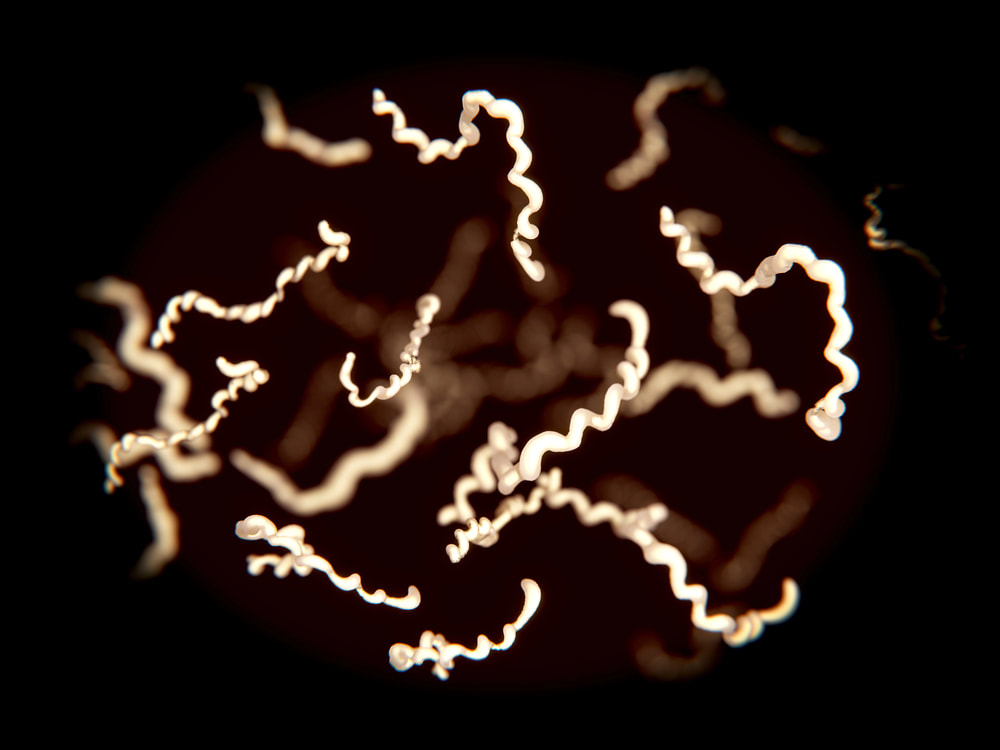 Back in August I sent out a post saying, “Please Stand By.” I mentioned that I was returning from vacation and I had been ready to hit the ground running but that life had other plans for me. We are now to February and I think, hope, I have moved (most of) life’s other plans to the wayside and I can resume as previously planned. What happened? An awful lot, and I suspect that plays a part in what ultimately put the roadblock in my way. However, I will share with you the shortened version of what happened after my summer vacation. We were all checked in for our flight the next morning and late that afternoon things changed. Eventually, we learned our flight had been cancelled and the airline gave us various flight choices for return flights many days later. That wasn’t an option, though, because there were plans set in stone for some of our group and we had to get back. Many hours later (and many dollars, too!) all 5 of us were booked on a flight home the following morning. Phew! What a to-do! But it was done. Fast forward a few hours and literally the minute I stepped on the plane, I had a bad headache. It was really bad. I slept. I looked in my bag for my Aconite/Bryonia combination (see here and here and here and here for more on this fabulous Banerji protocol) but then I remembered I gave it away on the trip. I knew I had remedies in my carry on but I really couldn’t think about what I had, where I had them or what to do with them if I were even able to muster the energy to get them out of the overhead bin. I kept sleeping instead. Back on terra firma, waiting for our final flight home I was unbelievably grumpy. Grumpy actually doesn’t begin to touch my mood — I was foul and angry and I hated the world. My headache was still raging. I felt feverish on and off. I was miserable. Now home, I confirmed my low-grade fever and then I slept. The next morning my headache was a little better, the fever was barely there, but still there it was. The next day things got worse. Now my headache was really terrible. Fever remained low. I slept and I slept and then I slept some more. Now on day 3, I could barely walk my hip hurt so badly. My neck was killing me. My head was so awful I even took ibuprofen — something I have not done in almost 10 years. That lessened the pain for a few hours and I was able to sleep without pain. The headache returned the next day and I again had to take the painkiller so I could sleep without pain. It was a truly debilitating pain. The other thing this ibuprofen did for me was allow my brain to function enough to contact some homeopath friends for some help. Help they did and two days later, I was feeling better, but the low fever stuck around. One week to the day from stepping on that plane, my fever broke. Hallelujah! That night, as I was getting ready for bed, I found an awful looking thing on the outside of my left knee. It was a big, ugly, dare I say garish looking thing and I can’t for a moment think that I could have missed seeing this if it was there before. I booked an on-line appointment for the next morning to confirm my suspicion of and immediately began homeopathic remedies for Lyme disease. It all made sense now as to why I felt so horrible and why none of the homeopathy I was trying was working. This was not a little bug I picked up… well, it was, actually a really little bug, but you know what I mean. My otherwise well chosen remedies were not doing anything to touch those little spirochetes that were busy burrowing themselves deep into my system. The nurse I spoke with during my on-line consultation advised that it looked like Lyme but that she recommended I turn up at the ER for “eyes on” to make sure I wasn’t suffering from cellulitis or some other nasty thing. So, the next day, I did just that and 7-1/2 hours later I was discharged (after never actually getting to speak with a medical doctor but there were plenty of physician’s assistants who stopped by to see my colorful leg. You see, Lyme technically exists in the desert in which I live, but conditions are apparently too dry for them. The most senior of these PAs told me he had seen Lyme in New Mexico only 2 other times in his many years of working here and, like me, both those cases had recently traveled, but I digress…) with a prescription of what turned out to be a nasty antibiotic which I learned a week into the 2-week protocol that it doesn’t have a great track record for “curing” Lyme. However, if you get a tick bite and you immediately take a single dose of Doxycycline, that provides a statistically significant level of protection. Not surprisingly, though, side effects were more common in the Doxycycline group than in the placebo group (Zepf 2002). (Click here to read a literature review.) How did I handle my Lyme disease? Right off the bat, I was remarkably calm (after a little Holy Shamoly moment when I found the rash). I started looking everything up online and confirmed in my mind what was going on. I was both excited (I had a plan in mind) and terrified (it’s Lyme!) to have this answer to what had been ailing me. I made my tele-health appointment and then immediately began taking homeopathic remedies and I slept a good, fever-free sleep. What remedies did I take? I turned to the Banerjis (Parekh 2022) for my first round of homeopathic remedies because the Banerjis are always a very good place to start, especially when you have a diagnosis. The Banerji protocol for Lyme begins with homeopathic Ledum and uses other remedies to address pain as well as specific remedies and nosodes to address the infection itself. Why are these remedies recommended for Lyme disease? Ledum is the remedy for puncture wounds and a tick bite is indeed a puncture wound! Some say Ledum can be used prophylactically and if taken at the first noticing of a tick bite, it may be able to nip a potential infection in the bud. I put this in the can’t hurt, might help category. If you frequent tick-y areas, keep a tube of Ledum with you, just in case. Plus, Ledum is really good for insect bites in general and can be helpful if you are Poked by a Branch, (and, I addressed Lyme and Ledum in Summer Fun #3: Flying Things (mainly.)) The Lyme nosode is exactly what it says — a homeopathic remedy made from the Lyme microbe. (See Sodes and Codes.) These are not the only remedies which are indicated for Lyme disease. Dr. Robin Murphy lists Arsenicum album, Mercurius sol, Tarentula and Thuja in his Lyme disease rubric. Beyond that, there are many, many homeopathic remedies which may be useful in a chronic Lyme case. Work with a professional homeopath and see what relief can be found. After taking those first doses of homeopathic remedies, the next morning I felt better than I had for a week. Granted, it was my first fever-free night’s sleep, but something felt different. And, that afternoon, for better or for worse, after spending hours in the ER, I began the Doxycycline because that is what every medical source I read said to do. A couple of weeks into this rotten scenario, I was still having pretty bad hip pain. I went to my Doctor of Oriental Medicine who addressed my right hip through my left hand (acupuncture is mind blowing). While those needles were doing their thing, I did some breathing exercises I read about in a book prior to having a surgery many years ago. I breathed in deeply, envisioning white, healing light going into my hip and as I exhaled, I pictured whatever color came to mind (usually grey or black) while at the same time conjuring up an image of the spirochetes being unscrewed from my hip. (This, too, goes into my “can’t hurt, might help” bucket of tricks.) I find the breathing in white and exhaling whatever ickiness comes to mind to be very helpful for all sorts of things that come along. What else did I do? I read a few books on Lyme (some helpful, others just slightly informative). I scoured the internet. I watched professional webinars on how to treat Lyme naturally. I purchased a whole bunch of naturopathic remedies after watching these webinars… but, I never needed them. Homeopathy fixed me all up. I didn’t stop with the Banerji Lyme protocol remedies. I needed to pivot a few times to tackle my symptoms. I also encountered some pretty big yuckiness as a result of the conventional meds. I worked with my homeopath to help clean that up, too. It was quite the learning experience on many levels. I feel pretty confident that Lyme disease is in my rearview mirror and I can’t begin to tell you what a relief that is. I had my Lyme diagnosis the middle of August and due to one thing or another (not just Lyme, remember I had a lot going on at the time) it really wasn’t until the beginning of December that I was feeling completely back to myself. It was quite a trek. The other thing I did was to purchase a tick remover and I have put it in my little travel bag to make sure I always have it with me whenever I visit tick-land.
This post is a shortened version of the first of my “Digging Deeper” paid articles. “Digging Deeper” is exactly that — posts that dive deeper into whatever subject is taking my fancy at the moment. To become a paid subscriber and to read the full article, click here. Julia Coyte, CHom Classically Practical homeopath #wellnessawaits Sutton, D. and Spry, C., 2019. One Dose of Doxycycline for the Prevention of Lyme Disease: A Review of Clinical Effectiveness and Guidelines [online]. PubMed. Zepf, B., 2002. Single-Dose Doxycycline to Prevent Lyme Disease. American Family Physician [online], 65 (4), 714–717. This post is a shortened version of the first of my “Digging Deeper” paid articles.  You can't see them in the photo, but trust me… they're there! So there I was, basking in the purity of the White Sands. The day before was unbearably hot… all… day… long. I mean seriously hot. In fact, we were supposed to visit White Sands yesterday afternoon but the thought of said dunes in that heat was too much. We opted for an early morning visit the next day instead. Excellent choice! The sand, (well, the gypsum,) felt amazingly cool as we climbed the first dune. I left the rest of the hiking of the dunes to the more intrepid among us and I wallowed in the marvel that is this amazing place. I was lying on my back, hat over my face, loving every second of this and contemplating making a sand angel cuz it felt like the appropriate thing to do. My arms were stretched out to either side, just about ready to go and, “Ow!” I frantically brushed at my arm and as I looked to see what got me, a little red head was still attached to my bicep. How could something so awful be hanging out in such a pure and marvelous landscape? To be fair, shortly after arriving on the top of the dune, I looked down and saw a red ant. Then I saw many more red ants. I knew they were there and I should have paid heed. Alas. Live and learn. Back to the red menace… I leapt up and got down the dune incredibly quickly. (Bounding down the dune was so much fun — if you go, forget the sled! They sell you a sled at the ranger station and then they buy it back from you for less than you paid. Sometimes you can find a perfectly good sled in the garbage, FYI.) I dug out my kit of 100 miniature vials of homeopathic remedies that always travels with me and immediately went for the Apis. I did a couple doses of Apis but the thing was still incredibly painful. I then switched to Ledum. Still really not any improvement. Then, I looked at the bite and saw a large welt developing, coupled with the intensely painful itching… Staphysagria. That one brought some relief, both to my arm and to my mood. I then alternated between Staphysagria and Apis every few hours for the rest of the day. This was on a Sunday. By Tuesday, it felt like it was getting worse. It was hot. It was itchy. It hurt. It felt like it was getting much bigger. Infection setting in? I moved to Hyper/Ars: Hypericum mixed with Arsenicum album. This, too, was helpful. It contained the spread and it shrunk in size just a little bit, but then it began to spread again. I tried a little Plantain ointment. That certainly didn’t hurt, but it wasn’t the answer. By Wednesday morning, I had decided to try a completely different route and I dug out my little canister of PRID Drawing Salve*. PRID Drawing Salve has been around for over 50 years, and, as the package says, it is a “pain relief & irritant drawing salve” for splinters, thorns, ingrown hairs, insect bites, boils, minor cuts and scrapes. My one little bite was pretty big by now so I dabbed the sticky brown stuff on my arm and had to use 2 bandages to keep it from getting on everything. What’s in it? As I mentioned above, this stuff is sticky. Among its ingredients: beeswax and wood rosin (the internet tells me this is a natural resin from the sap of pine trees.) Homeopathically speaking, PRID contains low X potencies of Arnica, Calendula, Echinacea, Hepar sulph, Ichthammol, Silicea and Sulphur -- all excellent choices for infection. I have written previously about Arnica, Calendula, Echinacea, Hepar sulph, Silicea and Sulphur. (You can search for articles on these remedies on Ruminating on Remedies.) While digging a little deeper into Echinacea, I have learned some interesting things from herbalist Matthew Wood (I highly recommend picking up Wood's Earthwise Herbal books). (Note: I accessed this through Radar Opus software and I don't see which of his many books correlates to this title.) The Indians of the Great Plains used the western purple coneflower, Echinacea, "to treat snake bites, insect bites, septicemia and various kinds of poisonings" (Wood). Dr. Robin Murphy notes that homeopathic Echinacea is a great remedy "when boils progress to the stage where they appear about to point then stop and do not suppurate. Echinacea helps in carbuncles with similar symptoms, a bluish-red color and intense pain" (Murphy n.d.). (I have to say, this sounds a little like where it felt my ant bite was going.) Ichthammol (or, Ichthyolum), however, is a new remedy for me. Dr. Robin Murphy tells us this is an “unproved” remedy**, (made from shale oil), which comes to us from old-school therapeutics as an external application which has been used for psoriasis, eczematous dermatitis, leg ulcers, seborrheic dermatitis and furuncles (Boyd 2010). Like Echinacea, Ichthammol is said to be a powerful anti-septic. When I removed those first 2 bandages a couple hours later, the swelling and redness had shrunk considerably. I did feel the need to apply the PRID two more times and then that was the end of that. I am now a day shy of 2 weeks from the day of this bite and I have no pain, but I do have a residual reddish mark. The other day I could see and feel 4 little white bumps so I think I suffered more than 1 nibble. The downside of using a combination remedy is that it is impossible to know which remedy worked. Having said that, who cares? I am interested in positive results -- it really doesn't matter to me how I get there. Might it be more elegant to take a single dose of the appropriate homeopathic remedy. Sure! In this case, might the drawing part of this salve have played a role? Could be. Julia Coyte, CHom Classically Practical homeopath #wellnessawaits * I have no affiliation with this company or this person (or, any other, actually). ** Ichthammol is listed in Bradford’s Index of Homeopathic Provings (1898), so 🤷♀️. References:
Boyd, A. S., 2010. Ichthammol revisited. International Journal of Dermatology [online], 49 (7), 757–760. Murphy, R., n.d. Homeopathic Remedy Guide. accessed through Radar Opus software. National Park Service, 2022. White Sands National Park (U.S. National Park Service) [online]. www.nps.gov.  I was listening to a Russel Brand podcast the other day where he was talking to the man who began VivoBarefoot* shoe company -- shoes that changed my world. I used to love my pointy-toe cowboy boots and my high heels and for a minute there I had some kickin' little, pointy toe boots made from army green cloth -- they didn't last long, but I loved them! Somewhere along the line, a body worker suggested my footwear may be playing a part in my hip/spine aches. So, me being me, always looking for ways to improve my condition, I put my binding and lifting (but cute!) shoes on the shelf and moved to a shoe with a negative or zero-drop heel and a wide toe box. Lo and behold, it helped! A lot. I'm never going back. It wasn’t over night, that’s for sure. It took quite a while to build up those long under-used muscles. When I first began, the ache in my feet, going all the way up the leg was definitely a thing. (If you are going to give this a try, be sure to go slowly — wearing the barefoot shoe for short periods of time and building up to a full day.) The only problem, though, was that the bulk of these shoes were not cute. I would look down at my feet and think, “I’m wearing clown shoes.” But, I stuck with my unfashionable shoes and my toes can now move around like never before — the way they are supposed to. (Note: overall, comfy shoes are much better looking now than when I began this process.) There are zero-drop shoes and there are minimalist shoes (like the Vivo Barefoot I mentioned earlier, as well as what I call my “frog feet” shoes — Vibram Five Fingers* — which they now do a nice job of disguising, but when I first started wearing them they were really goofy looking). The point of minimalist shoes is to allow your feet to use all those muscles that become under-utilized when wearing modern comfy, squishy shoes. There are a lot of muscles in your feet and all those muscles connect to all those other muscles and ligaments and tendons and joints going all the way up the chain -- you know, the foot bone is connected to the ankle bone…. (For a little look at what’s going on down there: (Card and Bordoni 2020). As we have all experienced, when your feet hurt, everything hurts. I have written a little bit about plantar fasciitis and heel spurs here. Without going into specific foot problems, a place to start for sore feet would be my go-to combination for all things joints/muscles: Arnica/Ruta/Rhus. See here and here. Why Arnica, Ruta and Rhus? Arnica is the first remedy to think about for trauma/injury. Excellent for bruising and muscle pain, in general. Ruta is good for connective tissues -- tendons and ligaments as well as stiffness. Rhus tox is a go-to for joint issues and is highly indicated in the following specific feet issues:
If you want to get a little more specific, rather than taking a combo remedy, try one of these remedies on for size… Foot pain that extends upward: Ledum palustre As if sprained: Arnica or Rhus tox Toenail injuries: Arnica or Hypericum Cramps: Mag-phos or Calc carb Pain while sitting (the pain lessens during continued movement) & feels better in warmth: Rhus tox Pain while standing: Ruta Sole pain: Causticum Shooting pain or tearing pain: Kali-carb Take a step in the right direction and try some homeopathy and see if you can get a little relief for those sore tootsies. Julia Coyte, CHom Classically Practical homeopath #wellnessawaits * I have no affiliation with any of these companies. I just like their products. Reference list
Card, R. K. and Bordoni, B., 2020. Anatomy, Bony Pelvis and Lower Limb, Foot Muscles [online]. PubMed. Kassel, G., 2022. What’s the Deal with Zero-Drop Shoes? [online]. Shape. Vibram, 2023. FiveFingers: The Original Barefoot Toe Shoes | Vibram [online]. Vivo Barefoot, 2023. Shoespiracy 2| Vivobarefoot | USA [online]. www.vivobarefoot.com.  “Homeopathic treatment is always worthwhile, even in individuals who are seriously ill and in need of care where there is no hope of complete recovery of health” (Teut and Doppler 2019). This topic is near and dear to me… Arthritis (this article focuses on osteoarthritis). Every time I have had an x-ray done over the last 10 or so years, they came back and said there is arthritis in there. Why would I have so many xrays? Cuz I had pain, that’s why. I have x-ray evidence of arthritis in my hands, (fingers and wrists), feet, ankles, knees and following an injury as a teenager, I was told the left side of my jaw was “bone on bone.” I’m pretty sure that were I to have further imaging on my hips and low back and neck that arthritis would be seen in those places, too. Now, I would like to point out that in that last paragraph I used the past tense. Since using homeopathy to address my arthritis, my pain levels have absolutely plummeted. It’s a rare day when my hands ache. I walk about 3 miles a day and while I do sometimes have some stiffness afterward, it is short-lived and soon forgotten. I’m not going to say all my joints are in perfect working order, but compared to where I was (and, definitely as compared to where I was headed), I have very few complaints at the age of 55. I had way more pain and discomfort 10-20 years ago. (I credit homeopathy for the bulk of my relief, but in addition to exercising regularly, I also eat a good, healthy whole foods diet, including plenty of bone broth and I also credit rolfing, too.) Once we hit age 65, nearly half (47.4%) of Americans have been diagnosed by a doctor as having arthritis (Brooks et al. 2018). If we want to add in people who have not bothered to get an official diagnosis, I’m willing to bet that number is considerably higher. Dr. Andrew Lockie (1993) estimates that 90% of people over the age of 40 have some degree of osteoarthritis in one or more joints. Along with the physical discomfort, osteoarthritis and all its limitations can lead to depression and sleep disturbances (Brooks et al. 2018). Additionally, anxiety and depression can lower your pain threshold and then the chronic pain aggravates the anxiety and depression — resulting in a vicious circle. See? It’s a good thing to try and get a handle on as soon as possible! What exactly is arthritis and who gets it? “Arthritis” is painful inflammation and stiffness of the joints. (Joints, as a reminder, are places where two bones meet.) Osteoarthritis is a degenerative joint disease. Degeneration is structural or functional breakdown. Common symptoms include pain, redness, heat and swelling. The most commonly affected joints are: hands, knees, hips, neck and lower back. In addition to the breakdown, small bone growths (osteophytes or bone spurs see also: The Importance of a Proper Diagnosis) may grow on the edges of the joint. Or, a bit can break off and float inside the joint space. (I had this as a kid when I chipped my patella). Did I mention that I have had more than my fair share of injuries? I was a busy kid, playing hard and getting hurt! The receptionist at the orthopedist’s office once said to me, “you really do love us, don’t you?” Anyone can get it, though generally speaking, it’s not a problem until we age — especially women when it develops after menopause. Though young people can get it as a result of an injury or a genetic defect. Why is osteoarthritis so common? Joint injury, obesity, genetics and anatomical factors affect joint mechanics (Shane Anderson and Loeser 2010). But, wear and tear takes its toll and “age remains the single greatest risk factor for the development of OA in susceptible joints.” So, how can homeopathy help arthritis? It’s very important to remember that conventional medicine doesn’t have a lot to offer in terms of helping osteoarthritis. The first line treatments are pain relievers, according to Mayo Clinic: Tylenol, Advil and Duloxetine (Cymbalta). (I highly recommend looking into the side effects of any medicines you plan on putting in your body. Drugs.com is a quick way to do this.) Other therapies which may be helpful include: physical therapy to strengthen the muscles around the joint; occupational therapy, and Transcutaneous Electrical Nerve Stimulation (TENS*) — low-voltage current to relieve pain. Beyond these, then we’re looking at more serious interventions, including cortisone injections and surgery to replace damaged joints. Homeopathy is not the absolute answer to every problem (though I think it's pretty close!) What homeopathy can do is to assist your body to wellness. When I began using homeopathy to treat my arthritis, as much as I was wanting an overnight success, that’s not how it works. The first few remedies I used went a long way at relieving my immediate discomfort, taking the edge off, so to speak. There is a lot to undo after a lifetime of wear and tear. It wasn't until I got into some deeper remedies that the daily pain disappeared. Let’s start with some support remedies: cell salts, (also known as tissue salts/remedies or biochemical medicine or Schüssler’s tissue salts). Cell salts are derived from substances that are naturally present in the human body, intended to nourish and balance our bodies; they are our building blocks. Dr. Schüssler “worked by the theory of deficiency. The idea of deficiency is that, if we can ascertain exactly which mineral salt or salt the body’s cells are starving for, and if we can give the body those salts in a manner in which it can absorb and digest them, then the cells will be nourished and the balance needed for function, form and good health will result.” “The cell salts are, therefore, a strange balance between allopathy and homeopathy, or, better put, a balance between homeopathy and nutritional medicine.” (McCabe 2009). Dr. Carey (1894) recommends three cell salts** for arthritis: Ferrum phos for an acute attack with very painful joints which are worse on movement. Tenalgia crepitans, (inflammation of a tendon sheath in which movement of the tendon is accompanied by a cracking sound). Natrum phos “is indicated in all cases of rheumatism of the joints.” Natrum sulph should be given alternately with Ferr phos in acute cases, but in chronic cases, Nat sulph alone may be helpful; especially in joints of the fingers. Other cell salts which may be helpful: Kali mur: in acute arthritis may be alternated with Ferr phos. Movement makes the pains worse; tenalgia crepitans. Natrum mur: for chronic arthritis; the joints crack; synovitis; rheumatic arthritis, especially of finger joints; hot, painful swellings of the knee joint. Mag phos is useful for the (violent) pains; excruciating pains which are spasmodic in character. Kali sulph: for pains which shift from one joint to another and are worse by heat. Shifting and wandering rheumatic pains in the joints. Calc phos for bone health, in general. Calc fluor for enlargements of the finger joints. Cell salts are generally given in a 6x potency and they can be combined in the mouth at one time as one dose and taken twice daily. (Martin & Pleasance*** makes a Comb M for rheumatism with equal parts Calc phos, Kali mur, Nat phos and Nat sulph.) On to homeopathy itself. For dealing with the acute pain of arthritis, a quick go-to remedy is T-Relief*** or T-Relief Arthritis***, both are available in either a cream or a tablet. Medinatura*** also makes/sells BHI Arthritis Pain Relief***. All three of these combos are made of slightly different remedies. The individual remedies which are shared between these combinations are worth investigating. Arnica for soreness all over the body. Worse for touch, pressure, cold or cold, damp weather. Worse for motion. Bryonia for excruciating, often stitching pains. Worse for the slightest motion (they just want to be still) and heat. Even though they are worse for moving, they feel restless. Better for pressure and warmth on the painful part, lying still, especially lying on the painful side. Joints may be hot and swollen. May seem irritable. Dulcamera is worse especially in damp weather, and cold damp autumn and the change of weather in general. Better for motion and warmth. Ledum may have some swelling and coldness in the affected joint. Worse for heat or becoming over-heated and motion. Though they may be chilly, they feel better for cold applications or cold bathing. Pain in the small joints, especially the toes and joint pains seem to progress up the body. Ledum is particularly good for the feet and lower legs. The soles of the feet may be painful. Ledum can also be helpful for the after-effects of steroid injections. Rhus tox (see also: Rhymes with Box) is a good remedy for all forms of rheumatism. Worse in the morning on waking, cold, sitting still (resting) and when first moving. Better after getting up and going, continued motion and hot baths or showers. They may be restless and feel better if they keep moving. All of these remedies listed are primarily to address the acute pain of osteoarthritis. Alan Schmukler (2006) mentions that Bryonia or Rhus tox will bring relief in a majority of cases. This is just a small sampling of the most common (and readily available) remedies which may help arthritis pain. I could keep writing on homeopathic arthritis remedies for hours! There's a lot to say and a lot of individual remedies which may be further tailored to specific arthritic symptoms. I highly recommend working with a professional homeopath to try and get to the root of the issue. In the meantime, try one of these above listed remedies and see if you can get a little relief. Life is just way too short to be in constant pain and discomfort. Try some homeopathy and see if you can get back to doing things you love. Julia Coyte, CHom Classically Practical homeopath #wellnessawaits * I have and am very pleased with ireliev’s wireless TENS unit (though, I must say, I really don’t use it very often any more). Again, I have no affiliation with this company, I just like their product. ** It is possible to purchase a mixture of all 12 cell salts. However, I have found better results when choosing just the best indicated cell salts rather than using the full complement. ***I have no affiliation with this company, I just like their products. Reference list:
Anon., 2023. tenalgia crepitans [online]. TheFreeDictionary.com. Arthritis Foundation, 2016. Arthritis and Mental Health [online]. Arthritis.org. Brooks, J. M., Titus, A. J., Polenick, C. A., Orzechowski, N. M., Reid, M. C., MacKenzie, T. A., Bartels, S. J. and Batsis, J. A., 2018. Prevalence rates of arthritis among US older adults with varying degrees of depression: Findings from the 2011 to 2014 National Health and Nutrition Examination Survey. International Journal of Geriatric Psychiatry [online], 33 (12), 1671–1679. Carey, G. W., 1894. The Biochemic System of Medicine. F. August Luyties. Kansal, K. and Kaushal, R., 2015. Textbook of practice of medicine with homeopathic therapeutics. New Delhi: B. Jain. Lockie, A., 1993. The family guide to homeopathy : symptoms and natural solutions. New York: Simon & Schuster. Mayo Clinic, 2021. Osteoarthritis - Diagnosis and treatment - Mayo Clinic [online]. Mayoclinic.org. McCabe, V., 2009. The Healing Echo. ReadHowYouWant.com. Morrison, R., 1998. Desktop companion to physical pathology. Nevada City, Calif.: Hahnemann Clinic Publ. NIAMS, 2019. NIAMS Health Information on Arthritis [online]. National Institute of Arthritis and Musculoskeletal and Skin Diseases. Rath, L., 2022. What Is Arthritis? [online]. www.arthritis.org. Schmukler, A. V., 2006. Homeopathy : an A to Z home handbook. Woodbury, Minn.: Llewellyn Publications. Schüssler, W. H., 2003. Schüssler’s twelve tissue remedies : comprising the theory, therapeutic applications, materia medica and a complete repertory of tissue remedies. Sittingbourne, Kent: Homæopathic Book Service. Shane Anderson, A. and Loeser, R. F., 2010. Why is osteoarthritis an age-related disease? Best Practice & Research Clinical Rheumatology, 24 (1), 15–26. Teut, M. and Doppler, C., eds. 2019. Homeopathy in Dementia: Materia Medica and Case Studies. Emryss. Thornton, P., 2022. Duloxetine: Uses, Side Effects, Dosage, Warnings [online]. Drugs.com.  Summer athletes, take heed! ER visits shoot up in the warmer months as the seasonal warriors take on the bats, balls and trails.  SPRAINS This one hits home right now as my husband is in week 3 of his really nasty sprain. Click here for an 18-second visual of what’s involved in an ankle sprain. (For the record, he wasn’t being a weekend warrior, it was just an unfortunate happenstance.) We were hours from medical care, his ankle was huge and looked very wrong. I gave him Arnica 1m immediately, to great effect. Ice. Rest. Elevation. More Arnica repeated as needed. The ER took X-rays and sent him on his way with 2 Ace bandages and told him to take ibuprofen for the pain. That was helpful. Not. The next day we were able to see a proper orthopedist who took more X-rays and this time sent him on his way with a walking/air boot and the same instructions for pain. He never resorted to the over-the-counter painkillers, I am happy to say. What to do after that? Well, some people say the X-rays can be a problem. If you’re worried about that, Nat Mur 6x, (twice daily the day of the X-ray and a few days following) is said to help. Back to sprained ankles… The number one remedy to turn to for any accident or injury is Arnica. Give it early and repeat as needed. As a general rule of thumb, the worse the injury, the higher the potency and then back off the repetition and lower the potency as the pain dictates. The next remedy to consider is Aconite to help reduce the shock which often follows a bad injury. Remember! Aconite rhymes with fright. Any situation that has been a shock to your system can benefit from Aconite. And, in this case, it can benefit not only the person who had the accident, but the person who witnessed the accident. The traditional, much accepted treatment for injuries is RICE: Rest, Ice, Compression and Elevation. Some injuries respond to cold, some respond to heat. Ice restricts blood flow and blood flow is what you need to heal your parts. That same blood flow is also what can cause all the swelling. I am not a physician but I have certainly had more than my fair share of injuries in my lifetime. Some of my injuries felt better with rest and elevation and ice and some felt better getting moving right away. To my mind, your pain (in addition to the input from your physician) needs to be your guide as to what is right for you. What else can help? Here are a few homeopathic suggestions and their symptoms which may help you choose the best homeopathic remedy for your injury. Arnica: Start here. “It is safe to say that 98% of patients who have suffered traumatic injury, however caused, need a dose of Arnica to begin their recovery” (Thomas 2000). A typical Arnica patient does not want anyone to touch their injured area. Sore, they may feel “beaten up” with swelling, bruising and inflammation. Topical Arnica is an option if the skin is intact. Do NOT apply Arnica to open injuries. Rhus tox: for an injury that is better for heat and continued motion. Worse on first moving. Rhus tox is better suited to simple sprains. Ruta: for an injury that is worse for motion and worse for cold application. Bruised, crushed, weak feeling. A remedy for tendons and ligaments, similar to Rhus in its pain. May feel hot to touch. Follows Arnica well to help aid in recovery. Bellis perennis: Think of this remedy if Arnica is not helping as much as you think it should be helping. Bruised pain. Like Rhus tox, a Bellis pain hurts when starting to move but gets better as you keep moving the injured area and is better from heat. A Bellis pain, though, may have the sensation of a band squeezing the injured joint. “Complicated sprains involving tendons, ligaments and soft tissue with swelling, edema and pain” (Ratera 2016). Bryonia: worse for the slightest movement of any kind. Better for rest and immobility. This person might be a little grumpy as a result of their injury. Ledum: when the injured area feels better from cold applications. Ankle feels dislocated and is worse by walking, to the point of being intolerable. The skin may be cold to the touch. Symphytum for tears at the point of tendon insertion into the bone (Ratera 2016). This remedy has been known to speed along recovery. CAUTION: do NOT use Symphytum until you are certain there is no break or fracture. Cell Salts which may be of help for sprains (Weintraub 1999):
Again, let your pain be your guide as to how long and how often you taking the remedies.  STRAINS According to American Academy of Orthopedic Surgeons, a sprain is a stretch and/or tear of a ligament and a strain is an injury to a muscle or tendon. Sprains generally occur in ankles, knees and wrists and strains generally occur in the back or leg, particularly the hamstring. Both injuries can range in severity and neither is necessarily worse than the other — it depends on the person and the injury. Conventional medicine again recommends RICE for strains (see above). Homeopathically, Arnica is the best place to start and may be all that you need. “Forcing, twisting, wrenching strains and tears are most likely to respond to Arnica if it is prescribed within 24 hours of the trauma” (Thomas 2000). The above list of remedies can also be applied to muscle strains with these notations: Rhus tox may be especially helpful in injuries due to lifting or over-exertion. Bryonia is especially well suited to intercostal and rib injuries. Ruta is also useful for injuries due to over-exertion. Follows Arnica well to help aid in recovery. Cell Salts which may be of help for strains (Weintraub 1999): In addition to the above listed cell salts:
 BICYCLE FALLS Number one: wear a helmet. Høye (2018) found helmet use reduced serious head injury by 60%. We just watched an interesting documentary called Bikes of Wrath where 5 young guys re-created the journey from Steinbeck’s novel of a similar name, but this time on bikes. None of them had any head injuries, but they did indeed have some strains and perhaps a sprain — in his case, it was his elbow. They certainly could have benefitted from carrying a little remedy kit with them, that's for sure! Sprains and strains are covered above, let's move on to cuts, scrapes and contusions. Once again, Arnica is the first stop for any injury. If the fall was big enough, take a dose of Aconite for any shock.  ROAD RASH (see this link for more information) Ooof! It’s been a long time since I’ve had to pick gravel out of my knee, but I can still remember how unpleasant that is! In this case, an oral dose of Arnica may be helpful because there is probably some element of bruising that will accompany the road rash, but remember DO NOT to apply Arnica to broken skin. I have no idea who this group is, but they have some clear images indicating whether hospital treatment should be sought following a skinned knee. Assuming the wound is not too bad and does not need professional medical care, clean the area and remove any debris. The Wound Care Society has some nice instructions. Calendula is where you want to start homeopathically for this injury — after the wound has been sufficiently cleaned out, that is. Calendula can be taken orally, or a Calendula tincture or cream can be applied. If you have the homeopathic pellet, but not a tincture, dissolve the Calendula pellet in some clean water and apply that to the wound. Hypericum can be used in this way, as well. Ledum is useful if the wound is deeper. It may be cool to the touch and very painful. Hypericum: like Calendula, Hypericum is very good and soothing to use topically. In fact, they can work very well together. Helios offers a lovely combination cream*. A Hypericum wound is very sensitive and is definitely indicated if any nerves are involved, like fingertips or toes. Hamamelis is very good if the wound continues to bleed. Arnica, too, can help with bleeding, but Hamamelis would be the next stop. Also very good for hematomas which may form as a result of the injury. Cell Salts which may be of help for cuts and abrasions (Weintraub 1999):
 BRUISING Guess what the first remedy is for bruising? You’re so clever! Yes, it’s Arnica! The bruise is painful and they don’t want anybody to touch it! Bellis perennis if the bruising is deeper, and especially if the bruising is in the abdominal area or breast tissue. Ledum shows up again here, too -- if the area feels better with cold application. Ruta or Symphytum if the bone is bruised or the periosteum is affected (the tissues between the bones and the skin — think of the shins or cheekbones). Cell Salts which may be of help for bruising (Weintraub 1999):
 HEAD INJURIES First off — consult a physician if you have hit your head, whether you were wearing a helmet, or not. Once again, Arnica is the place to start. Not only because it’s the go-to first remedy for any accident or injury, but in this case because Arnica is the first choice homeopathic remedy for head injury, period. Bonus! One of my favorite homeopathic books for injuries, First Aid with Homeopathy by Dr. Manuel Mateu Ratera, has a PDF of his Head Injury pages available online. The next-in-line remedy for head injuries is Nat sulph (see cell salts below). Like Arnica, Nat sulph can be used for residual effects from old head injuries. Why choose one over the other? Arnica has the general trauma/injury element to it. When to choose Nat sulph? Nat sulph has a slight edge in terms of residual effects from head injuries: concussions afterward, migraines afterward. However, Nat sulph is more clearly indicated when there is vertigo following a head injury or depression or mental dullness sets in after a head injury. Cell Salts which may be of help for head injuries (Weintraub 1999):
For some research on mild traumatic brain injuries and homeopathy, see Chapman et al. (1999). These remedies, Arnica in particular, should accompany you when you set out for any physical activities this summer. Or, better yet, purchase a little kit to throw in your bag. Taproots has nice one*. Julia Coyte, CHom Classically Practical homeopath #wellnessawaits * Just because NSAIDs are available over the counter does not mean they are without risks. There are plenty of studies out there talking about the downside of taking NSAIDs. Below are just a few of these studies. ** I have no affiliation with these companies, I just like their products. Reference list
American Academy of Orthopedic Surgeons, n.d. Sprains, Strains and Other Soft-Tissue Injuries - OrthoInfo - AAOS [online]. www.orthoinfo.org. Helios Homoeopathy, n.d. Hypericum/Calendula cream: helios-frontend [online]. www.helios.co.uk. Høye, A., 2018. Bicycle helmets – To wear or not to wear? A meta-analyses of the effects of bicycle helmets on injuries. Accident Analysis & Prevention [online], 117, 85–97. Mayo Clinic, 2018. Sprained ankle - Symptoms and causes [online]. Mayo Clinic. Ratera, Dr. M. M., 2016. First Aid with Homeopathy. Kander, Germany: Narayana Verlag. Sonnenschmidt, R., Sankaran, R., Vithoulkas, G., Borland, D., Scholten, J., Kusse, F., Mangialavori, M., Birch, K., Das Kaviraj, V., Perko, S., Welte, U., Le Roux, P., Hahnemann, S., Jus, S. and Chauhan, D., n.d. Manuel Mateu i Ratera First Aid with Homeopathy Reading excerpt First Aid with Homeopathy of Manuel Mateu i Ratera Publisher: Hahnemann Institut [online]. Summers, S., 2022. How can I take care of a scraped knee? [online]. www.truthaboutnursing.org. TapRoots, 2022. SUMMER On-the-Go Portable Homeopathic Kit Including Hard-covered Case, Holds 8 Kit-sized Remedies [online]. TapRoots. Temple ReadyCare, 2021. 6 Reasons for Summer ER Visits and How to Avoid Common Injuries and Illness [online]. Temple Health. Thomas, E., 2000. Homoeopathy for sports, exercise, and dance. Beaconsfield, Bucks, Uk: Beaconsfield Publishers. Weintraub, S., 1999. Natural healing with cell salts. Pleasant Grove, Ut: Woodland Pub. woundcaresociety, 2016. How to heal skinned knee quickly? [online]. Wound Care Society. woundcaresociety, 2019. How Long Does Road Rash Take To Heal [online]. Wound Care Society. Research links - Arnica: Marzotto, M., Arruda-Silva, F. and Bellavite, P., 2020. Fibronectin Gene Up-regulation by Arnica montana in Human Macrophages: Validation by Real-Time Polymerase Chain Reaction Assay. Homeopathy [online], 109 (03), 140–145. Research links Homeopathy & Head Injury: Chapman, E. H., Weintraub, R. J., Milburn, M. A., Pirozzi, T. O. and Woo, E., 1999. Homeopathic Treatment of Mild Traumatic Brain Injury: A Randomized, Double-Blind, Placebo-Controlled Clinical Trial. Journal of Head Trauma Rehabilitation [online], 14 (6), 521–542. Research links: Traumeel: Birnesser, H., Oberbaum, M., Klein, P. and Weiser, M., 2004. THE HOMEOPATHIC PREPARATION TRAUMEEL® S COMPARED WITH NSAIDS FOR SYMPTOMATIC TREATMENT OF EPICONDYLITIS. Journal of Musculoskeletal Research [online], 08 (02n03), 119–128. Conforti, A., Bertani, S., Metelmann, H., Chirumbolo, S., Lussignoli, S. and Bellavite, P., 1997. Experimental studies of the anti-inflammatory activity of a homeopathic preparation. [online]. Lussignoli, S., Bertani, S., Metelmann, H., Bellavite, P. and Conforti, A., 1999. Effect of Traumeel S, a homeopathic formulation, on blood-induced inflammation in rats. Complementary Therapies in Medicine [online], 7 (4), 225–230. Porozov, S., Cahalon, L., Weiser, M., Branski, D., Lider, O. and Oberbaum, M., 2004. Inhibition of IL-1β and TNF-α Secretion from Resting and Activated Human Immunocytes by the Homeopathic Medication Traumeel® S. Clinical and Developmental Immunology [online], 11 (2), 143–149. Schneider, C., Klein, P., Stolt, P. and Oberbaum, M., 2005. A Homeopathic Ointment Preparation Compared With 1% Diclofenac Gel for Acute Symptomatic Treatment of Tendinopathy. EXPLORE [online], 1 (6), 446–452. * Research links: NSAIDs: Allison, M. C., Howatson, A. G., Torrance, C. J., Lee, F. D. and Russell, R. I., 1992. Gastrointestinal Damage Associated with the Use of Nonsteroidal Antiinflammatory Drugs. New England Journal of Medicine [online], 327 (11), 749–754. Bindu, S., Mazumder, S. and Bandyopadhyay, U., 2020. Non-steroidal anti-inflammatory drugs (NSAIDs) and organ damage: A current perspective. Biochemical Pharmacology [online], 180, 114147. Graham, D. Y., Opekun, A. R., Willingham, F. F. and Qureshi, W. A., 2005. Visible small-intestinal mucosal injury in chronic NSAID users. Clinical Gastroenterology and Hepatology [online], 3 (1), 55–59. Risser, A., Donovan, D., Heintzman, J. and Page, T., 2009. NSAID Prescribing Precautions. American Family Physician [online], 80 (12), 1371–1378. 
  Whether a river, an ocean or a pool -- nothing is as inviting as a body of water on a hot, summer’s day. It’s cool and refreshing, but, after a shallow dive into the subject … I hate to be the bearer of bad news, but it can be dangerous! Let’s start with a dip in the pool, which is most likely chlorinated. Some people are particularly sensitive to the chlorine and can develop what is known as SWIMMER'S EYE or, chlorine conjunctivitis. It is essentially eye irritation but it stings and it can be pretty miserable. Goggles can help, but that's not a sure thing to keep it at bay. Homeopathic Euphrasia or “Eyebright” for burning eyes and watery eyes. Pain as if something were in the eye. Puffy eyes. Red eyes. When “eye” is in the name of the remedy, you know it’s a good place to start. Arsenicum album for profuse, watery, burning discharge. There is often a level of restlessness. Or, Similisan’s Redness & Itchy Eye Relief* would be a good thing to keep in the cupboard if you or your child is prone to this. --------------------------------------------- Moving from the pool to a natural body of water can bring it’s own set of problems, namely, SWIMMER'S ITCH or Cercarial Dermatitis. Caused by a parasite that gets under the skin (Kolářová et al. 2012) and triggers an allergic reaction, swimmer’s itch is as the name suggests, an itchy rash. If the rash is blistery and oozy, look to Graphites. If the rash burns, stings and itches, try Sulphur. If the rash stings and is raised and fluid filled, try Apis. ------------------------------------------- SWIMMER’S EAR Regardless of what kind of water you’re swimming in, swimmer’s ear is basically an outer ear infection caused by trapped water in your ear that can lead to the growth of bacteria (Mayo Clinic). For sharp ear pain with a sudden onset, Belladonna. There may be redness and throbbing pain. An aching ear pain that feels like the ear is stopped up, Chamomilla. If there is discharge and itching, try Hepar sulph. Or, Similason has a new formula: Swimmer's Ear Relief*. ------------------------------------------- If you are lucky enough to be near the ocean, beware of JELLYFISH! Potentially harmful jellyfish are found in most oceans and can cause both dermatological problems as well as systemic issues (Mebs 2014). The venom of the 51 species of box jellyfish can kill a human in less than 2 minutes (Baldwin 2022). The Wilderness Medical Society has published “Jellyfish Stings: A Practical Approach” (Lakkis et al. 2015). If you left your stinger suit hanging in the closet and manage to get stung, conventional medicine doesn’t have a lot to offer. “The literature published on the treatment of jellyfish stings is limited, conflicting, and lacks consensus.” In short, help the person out of the water, keep them from rubbing the stung area and reassure them. Some say to apply cold, others heat. If it’s a life-threatening species, call an ambulance immediately. (Be careful when helping someone with a jellyfish sting as stinging cells may be spread on contact.) Once again, this is a situation where homeopathy can come in very handy. Homeopathy doesn’t care if the sting is a result of a jellyfish or a bee. If the symptoms match the remedy, there is a good chance relief will follow. First Aid with Homeopathy (Mateu 2020) says applying vinegar can decrease the effect of the toxins. For all these homeopathic jellyfish remedy recommendations, repeat every five minutes until significantly better and then begin to lengthen the time between doses. For most “run of the mill” jellyfish stings, try Apis mellifica. For intense burning and stinging followed by redness and swelling. The person needing Apis will generally be worse from warm applications. If the affected area feels cold and also feels better from cold, try Ledum. Urtica urens can be applied topically as well as ingesting the homeopathic remedy. The person needing Urtica will be experiencing great itchiness and burning, similar to experiencing stinging nettles (from which the remedy is made). If the pains are more neuralgic in nature and radiating out, try Hypericum. ------------------------------------------- HYPOTHERMIA It’s a warm, beautiful day with a little breeze and you think, “what could possibly go wrong?” Well, Hypothermia is one thing that can ruin your day. “That only happens in the cold, right?” Um. Nope. The only requirement for hypothermia to set in is anything that causes a severe drop in body temperature. It can happen in perfect conditions (Florida Fish and Wildlife Commission 2022) and, actually, swimming doesn’t even need to be involved. It can happen from being in the water or from being caught in a rainstorm. When I was a kid, my brother went sailing on a too cold day and he returned way too cold. I remember being instructed to lie down on the kitchen floor next to him under a blanket to try and warm him up. I now know that is termed “external passive rewarming” and is the method of choice for mild hypothermia. A slow and gentle warming is what you’re after. For hypothermia to set in, the water doesn’t have to be cold, just cooler than your body temperature. Children, the elderly, injured or intoxicated people are more susceptible (Paal et al. 2022). Shivering, confusion, breathing issues, and muscle dysfunction are some of the symptoms which may be experienced with a significantly lowered body temperature. The Natural First Aid Handbook (Mars 2017) recommends hot water bottles to the groin and sides of the torso and warns against rubbing or massaging an individual with hypothermia. First Aid with Homeopathy (Ratera 2016) recommends hot liquids and moderate warmth to the abdomen via a hot water bottle and also talks about breath as a treatment for hypothermia. “The helper places his mouth against the spine, between the shoulder blades, and breathes out in long breaths, blowing directly against the clothing. Almost immediately, local heat is felt, and gradually this heat spreads through the body if the exercise is continued. This technique helps to warm, and also to calm the patient. It can therefore also be used in crises of asthma or panic, to calm the patient and restore natural breathing.” Fascinating! Other than warming the person, what can be done? Homeopathy, of course! If the person is conscious, give a dose of Aconite to help with the shock. Bellis perennis is useful in thermal shock (Ratera 2016). Thermal shock can happen from any sudden exposure to cold when the body is hot — even drinking cold drinks when the body is hot. Carbo vegetabilis can be useful for persons who are chilly, with cold perspiration and cold breath. Other symptoms may include coldness, numbness and weakness. Veratrum album is for internal coldness, as if ice-water is in the veins. Weakness and collapse with coldness. If the person is icy cold but wants to be uncovered, consider some homeopathic Camphor. Cramps, convulsions or shock may be present. ----------------------------------------- DROWNING Regardless of the size of the body of water, drowning is always something to watch out for and contrary to what we have seen in the movies, drowning is often completely silent (Redcross. CA 2013). See sidebar for "signs a swimmer is in trouble." According to Stop Drowning Now (2018), in the US, 10 people die every day from drowning. “Drowning is fast and silent and can happen in as little as 20-60 seconds.” When my son was little, I turned my back to get his floaties and the other mother with me (who I thought was watching all the kids!) said, “I didn’t know he could swim.” I turned around and I saw him standing on the bottom of the pool, completely underwater, eyes open, looking up at me. He couldn’t swim! He definitely did not belong there! That could have been a disaster. It was absolutely instantaneous — shockingly fast! Thankfully, he was completely fine. I will never be able to get that vision out of my mind. It was terrible. CPR or the Heimlich maneuver, followed by mouth-to-mouth is the standard recommendation. Venema (et al. 2010) claim that 30% of rescued drowning victims require CPR. Get medical help immediately. If the person is unconscious, administer homeopathic Carbo vegetabilis while waiting for help to arrive. Carbo veg is known as “the corpse reviver” and should be administered frequently. To avoid inhaling the remedy, place the pellet between the lips and the teeth and let it dissolve there. If the person is better when sitting up but is experiencing a rattling in the chest, try Antimonium tart. Lachesis is indicated when the person is suffering asphyxia and the pulse is very weak. If there is a “near miss” like I described with my son, it may not be over and done with when you have them out of the water and breathing on their own again. Jama Pediatrics (Stern and Thompson 2022) notes that “symptoms of drowning such as gasping or difficulty breathing most commonly occur immediately. In rare cases, symptoms may develop after a nonfatal drowning. If a child develops worsening cough, fast breathing rate, vomiting or change in mental status after nonfatal drowning, take them to the nearest emergency department for evaluation.” It may seem like it’s better (and safer!) to just dip your toes in the water to cool off, but no! Life is too short to sit out the swim! Julia Coyte, CHom Classically Practical homeopath #wellnessawaits * I have no affiliation with this company, I just like their products.  REFERENCES AND FURTHER READING:
Baird, J. K. and Wear, D. J., 1987. 12 Cercarial dermatitis: The swimmer’s itch. Clinics in Dermatology, 5 (3), 88–91. Baldwin, E., 2022. Box Jellyfish: The Dangerous Jellyfish | Ocean Info [online]. oceaninfo.com. Florida Fish and Wildlife Commission, 2022. Hypothermia [online]. Florida Fish And Wildlife Conservation Commission. Gordy, M. A., Cobb, T. P. and Hanington, P. C., 2018. Swimmer’s itch in Canada: a look at the past and a survey of the present to plan for the future. Environmental Health, 17 (1). Hoeffler, D. F., 1977. ‘Swimmers’ itch’ (cercarial dermatitis). Cutis [online], 19 (4), 461–465, 467. Kolářová, L., Horák, P., Skírnisson, K., Marečková, H. and Doenhoff, M., 2012. Cercarial Dermatitis, a Neglected Allergic Disease. Clinical Reviews in Allergy & Immunology [online], 45 (1), 63–74. Lakkis, N. A., Maalouf, G. J. and Mahmassani, D. M., 2015. Jellyfish Stings: A Practical Approach. Wilderness & Environmental Medicine [online], 26 (3), 422–429. Lessell, C. B., 1999. The world travellers’ manual of homoeopathy. Saffron Walden: C.W. Daniel. Mateu, M., 2020. First aid with homeopathy. Kandern, Germany Narayana Verlag. Mayo Clinic, n.d. Swimmer’s ear - Symptoms and causes [online]. Mayo Clinic. Mayo Clinic, n.d. Swimmer’s itch - Symptoms and causes [online]. Mayo Clinic. Mebs, D., 2014. Durch Quallen verursachte Verletzungen. Jelly Fish Sting Injuries Der Hautarzt [online], 65 (10), 873–878. Paal, P., Pasquier, M., Darocha, T., Lechner, R., Kosinski, S., Wallner, B., Zafren, K. and Brugger, H., 2022. Accidental Hypothermia: 2021 Update. International Journal of Environmental Research and Public Health [online], 19 (1), 501. Ratera, Dr. M. M., 2016. First Aid with Homeopathy. Kander, Germany: Narayana Verlag. Redcross. CA, 2013. Drowning: A silent killer - Canadian Red Cross [online]. Red Cross Canada. Schmukler, A. V., 2006. Homeopathy : an A to Z home handbook. Woodbury, Minn.: Llewellyn Publications. Smith, S., 2007. Medical homoeopathy. West Wickham England: Winter Press. Stern, A. M. and Thompson, L. A., 2022. What Parents Should Know About Drowning and Dry Drowning. JAMA Pediatrics [online]. Stop Drowning Now, 2018. Facts & Stats About Drowning - Stop Drowning Now [online]. www.stopdrowningnow.org. Szpilman, D., Bierens, J. J. L. M., Handley, A. J. and Orlowski, J. P., 2012. Drowning. New England Journal of Medicine [online], 366 (22), 2102–2110. Venema, A. M., Groothoff, J. W. and Bierens, J. J. L. M., 2010. The role of bystanders during rescue and resuscitation of drowning victims. Resuscitation [online], 81 (4), 434–439.  My latest read arrived in the mail today. “Pigs: The Homeopathic Approach to the Treatment and Prevention of Diseases.” Once I have read it, it will sit on the shelf next to “Homeopathy for the Heard: A Farmer’s Guide to Low-Cost, Non-Toxic Veterinary Care of Cattle” and the “Practical Handbook of Veterinary Homeopathy: Healing Our Companion Animals from the Inside Out.” I have more like this on the shelf, but that’s not the point of this article. The purpose of this article is to point out how marvelously well homeopathy works for all creatures. I have recently written about Rufus and his troubles ["An insecure rectum"& "What Hurts?"], but homeopathy has in the past helped our chickens and our peacock, too. Now, let's take a look at our imaginary creatures from the title of this article. I have no doubt this powerful medicine would be able to help “The Lion in Love.” That’s the Aesop’s Fable where the poor lion, in love with the woodsman’s daughter, was de-fanged and de-clawed and still denied the woodsman’s daughter anyway. This poor fellow most certainly could have been helped by Natrum muriaticum, the preeminent remedy for unrequited love. Though tiger balm isn’t made from any part of a tiger (at least not that I can find!), and can be useful for straining injuries — the mechanism behind the active ingredient is to numb and block nerve sensations to make the area feel temporarily less painful. Now, if our imaginary tiger from an Aesop’s fable was in need of tiger balm, I’m not certain it would do him much good due to his thick coat and skin. BUT, homeopathy could help him. Helios pharmacy makes a lovely remedy they call “Helios Injury.” This is a combination of Arnica, Rhus tox and Ruta grav which will bring relief to strains and sprains and bruises (oh, my! — sorry, I couldn’t resist). If you are not near a Helios (located in the UK), you can make your own combination remedy by putting a couple of pellets of each of the 3 remedies in your mouth at one time and letting them dissolve together to create this powerful remedy. The bear in Aesop's “The Bear and The Bees,” who was stung so terribly by the whole hive from whom he was trying to steal their honey… Apis mellifica is the remedy needed if the area is warm, red and swollen. But, if the sting area feels cold and it is relieved by cold, then Ledum palustre is the better choice. Whether it’s a chicken or a peacock or a dog or a pig or a whole herd of cows… homeopathy can help clear up what ails them quickly, safely and non-toxically. If you are interested in setting an appointment for your lion, tiger or bear, I'm willing to give it a try! Contact me at classicallypractical.com. |
Julia Coyte, CHomI am passionate about homeopathy and I love sharing this passion. Having a working knowledge of homeopathy shouldn't be kept a secret. If people have the ability to help themselves, their children and their friends when they have minor ailments, life just gets better for everyone. That is the purpose behind Ruminating on Remedies. Archives
October 2026
Categories
All
|


 RSS Feed