 OHM is an excellent homeopathic pharmacy located in Texas. They make a nice little kit aimed at pain management. Unfortunately, OHM doesn’t sell to the general public; but, that doesn’t stop you from creating your own little kit based on their suggested remedies.
Let’s see why these 11 remedies are included in this select little kit and why you may want to consider having some handy. Note: this is a quick list to get you started — it is far from complete. Aconite 200c
Arnica 30 & 200
Bryonia 30c
Calc phos 6c
Calendula 30c
Chamomila 30c
Hypericum 30c
Phosphorus 30c
Rhus tox 30c
Ruta 30c
Symphytum 30c
This kit suggests using the appropriate remedy every 15 minutes in acute situations. Reduce frequency repetition upon improvement. I have a number of longer homeopathic pain remedy articles still in the works. Sit tight! Julia Coyte, CHom Classically Practical homeopath #wellnessawaits
0 Comments
 I have written specifically about the Banerji Protocols and the Narayani combinations (here, here, and here. The Boiron over-the-counter combos are sprinkled throughout my articles. I have mentioned the BHI combos only once in my Digging Deeper article about hemorrhoids. Perhaps it’s because I don’t see these too often any more that they are not front and center in my mind. BHI/HEEL — I’m honestly not certain what the technicalities are between these/this company/companies. MediNatura (maker of Traumeel,) is another name that is part of this company puzzle. I do know they at least were based in New Mexico - maybe that’s why I saw their products on the shelves. Not so much these days, though. They are still out there, however — for purchase through the internet. What are they? They are a smaller line of homeopathic combinations, compared to the Narayanis and they do not use the mega potencies that some Narayanis do; in fact, most (all?) of their combos are made using low x potencies. You may be familiar with their T-Relief and Traumeel (a personal favorite combo of mine). What else do they have? In addition to the Hemorrhoid combo listed above, to list just a few more:
Since we are in the middle of cold and flu season, let’s take a very quick (and by no means complete) look at BHI’s ReBoost combo and why they have included the remedies they have (including one I have never heard of so let’s learn together):
What else about the BHI combos? If you want to spend a little time searching the internet, you can find old copies of their manuals. Apparently, they used to make an awful lot more combinations. Alas. Like the Narayani books, I find these BHI guides helpful for learning remedies. As I have said in previous articles about combos which are no longer available, you can make your own. You don’t have to be perfect. If their combo calls for a potency that is not readily available to you, choose the nearest potency you can find. For instance, their old “Exhaustion” combo contains Sepia 12x — not so easy to find. Sepia was also used in the Hyland’s no longer available combination called “Awake” in a 30x. But, if you were making your own combination reflecting these remedies, a 6c would be a good substitution. (Margriet Plouvier-Suijs equates 12x-14x to a 7c**, another not so easy to find potency, but we can be pretty sure a 6c is pretty close to a 7c in it’s action.) When I first really got interested in homeopathy, years before becoming a homeopath, I had a whole line up of Heel containers on a spice rack shelf in a kitchen cupboard. It was so nice to have an alphabetical line up of go-to remedies: Headache, Nausea, Spascupreel, Traumeel… The names may change but the idea remains the same — an excellent way to cover lots of homeopathic bases right there at your fingertips - no thought required! Julia Coyte, CHom Classically Practical homeopath #wellnessawaits *I have zero affiliation with any of these companies — I just like their products. ** France seems to use odd numbers, the rest of the world even🤷♀️ Reference list
Plouvier-Suijs, M., 2014. About potencies. Emryss Publishers. Sadeghsoltani, F., Mohammadzadeh, I., Safari, M.-M., Hassanpour, P., Izadpanah, M., Qujeq, D., Moein, S. and Vaghari-Tabari, M., 2021. Zinc and Respiratory Viral Infections: Important Trace Element in Anti-viral Response and Immune Regulation. Biological Trace Element Research [online]. I misjudged how much time I actually have had in the last couple of weeks, so here's a little pain teaser to tide you over…
With that, here is a very quick rundown of go-to pain remedies as suggested in the latest arrival to my bookshelf… Weiner’s Pain Management: A Practical Guide for Clinicians (Boswell and Cole 2007). I purchased this hefty tome (coming in over 1600 pages) to learn better how mainstream medicine approaches treating pain: diagnostic criteria, pathophysiology and methods of treatment; associated factors; causations, etc. I was, needless to say, very happy to see a chapter on Homeopathy! Dana Ullman is a co-author of this section with a short overview of homeopathy (remember, this book is aimed at mainstream physicians), followed by brief entries on common painful conditions, each accompanied by relevant research for the homeopathic remedies. Then, they have a short list of “Commonly Used Homeopathic Medicines for Painful Conditions”:
Sit tight for the longer, more in-depth pain articles which are currently in the works. I am not going to get them all posted before the end of the year - my apologies for that. Wishing you a pleasant and pain free end of 2025! Julia Coyte, CHom Classically Practical homeopath #wellnessawaits Boswell, M. V. and Cole, B. E., eds. 2007. Weiner’s pain management : a practical guide for clinicians. New York: Informa Healthcare. 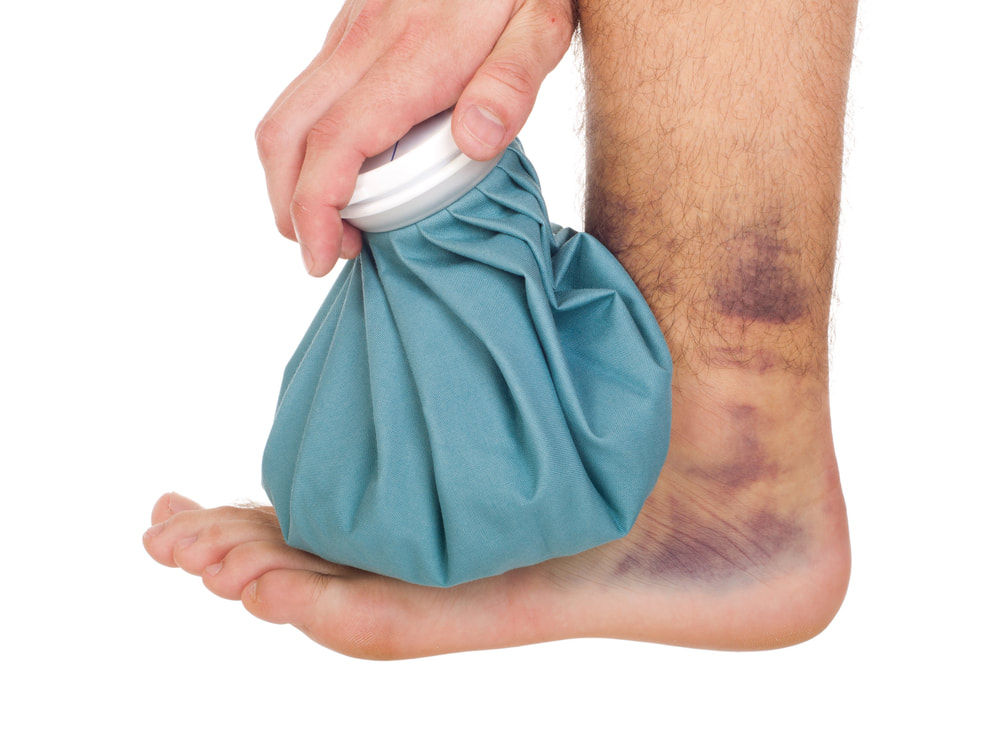 A couple of months ago, we were given some “new” information about Tylenol. In actuality, there was nothing new about this information, it was just brought to our broader attention through “official” channels. (See, also: The Road Less Traveled, from 2022, where I brought a little light to the darker sides of over the counter (OTC) painkillers for headaches*.) “But, popping a painkiller is so easy!” I know. I truly do. There is a song called “The Sinking Feeling” by the band The The, which says, “The path of least resistance leads to the garbage heap of despair (air-air-aiiir), I think I’d better get back in bed.” I like the whole song, but that one line is what really sticks with me. Taking the easy route is not always the best choice. I am confident in saying that when it comes to dealing with your pain, taking the road less traveled is well worth the time and energy required to figure it out. Using OTC painkillers don’t just block the pain, they block important healing messages to get the job done, doing what the body is meant to do — fixing what’s wrong. “In all the cases, the immense advantage of homeopathy is that it cures in a gentle, quick and lasting manner, according to Hahnemann’s postulates. In this sense, there is no other therapeutic capable of being compared to it. Besides, it is never harmful, it is never dangerous, it never produces side effects because it lacks all chemical substance; thus, it is the best therapeutic ever invented by human beings.” For the sake of discussion, let’s assume we are dealing with a sprained ankle. What exactly is a sprained ankle? A sprain is a trauma to the ligaments by stretching it too far; this causes pain and difficulty with movement. “A mild sprain is really a pulled or strained ligament, with tenderness and mild swelling, but no tearing of tissue. A moderate strain** has partial tearing of the ligament, while a severe strain entails a complete tear, with corresponding degrees of swelling, bruising and inability to move the joint or bear weight” (Hershoff 2000). Conventional treatment involves applying ice to the area and wraps to compress the area. Taber’s also recommends “analgesics and NSAIDs.” As we’ll see below, not all sprains respond well to ice and wraps — another place where homeopathy shines. We can use those data points to help us find the best suited remedy. Let’s get back to the simplicity of the over-the-counter pills… How do they work? If you ask an AI, it will tell you that the exact mechanism of acetaminophen (e.g., Tylenol) is not fully understood, but it is believed to work through the central nervous system to block pain signals. Ibuprofen (NSAIDS/Advil), on the other hand, blocks the production of prostaglandins. What are prostaglandins again? In simple terms, prostaglandins are the chemical messengers that cause pain, swelling, and fever — let’s call that the “alarm system”. In short, Advil turns off the alarm system at the source (blocks the prostaglandins). Tylenol turns the volume down on the alarm sounds in your brain — the alarm is still going, you just don’t “hear” it as loudly, so the pain feels less intense. Sounds like a solid plan to me! What could be the problem with it? Taber’s Medical Dictionary (Venes 2017) tells us that prostaglandins (PGs) “influence a broad range of biological effects, including vasodilation, vascular permeability, bronchoconstriction†, platelet aggregation, dysmenorrhea†, inhibition of gastric acid secretion, stimulation of neural receptors for pain during tissue damage, sleep inhibition†, and maintenance of patent ductus arteriosis†.” That sums it all up, doesn’t it?! Keep reading — we’ll see if we can sort some of this out.
OK. I get it, OTCs are not completely without risk. What do you suggest using for this fictitious sprained ankle? Well, homeopathy, of course!
Or, the combination of Arnica, Ruta and Rhus is an excellent injury go-to, covering many bases at once. I encourage you to read up on the OTC painkillers. Drugs.com is a good place to start. (Hint: keep scrolling down the page on Drugs.com. There is a brief overview at the top of the page, but if you keep going, you’ll find further links for “side effects” that should be known but are a little hidden.) If you purchase/make a good household kit, you will be ready to deal with most common ailments that come your way and be able to skirt the OTCs. Julia Coyte, CHom Classically Practical homeopath #wellnessawaits *Ibuprofen/Advil/Motrin/NSAIDS are used interchangeably throughout this article; likewise acetaminophen/Tylenol, too. **Some sources say a strain is the injury to tendons while sprains are injuries to ligaments. Other sources use strain and sprain interchangeably. †In keeping with the sprained ankle analogy, bronchoconstriction, dysmenorrhea, sleep inhibition and maintenance of patent ductus arteriosis do not pertain to this situation. Reference list
American Association of Homeopathic Pharmacists, n.d. FAQs [online]. The American Association of Homeopathic Pharmacists. Anderson, L. A., 2024. Pain / Fever Drugs and Alcohol Interactions [online]. Drugs.com. Andonian, N., 2020. Rebound (Medication-Overuse) Headaches: How to Stop Them [online]. GoodRx. Dimitropoulos, E., 2014. Acetaminophen Toxicity: What Pharmacists Need to Know [online]. Uspharmacist.com. Durbin, K., 2023a. Acetaminophen [online]. Drugs.com. Durbin, K., 2023b. Ibuprofen [online]. Drugs.com. Fine, M., 2013. Quantifying the Impact of NSAID-Associated Adverse Events [online]. AJMC. Harvard Health Publishing, 2024. Acetaminophen safety: Be cautious but not afraid - Harvard Health [online]. Harvard Health. Hershoff, A., 2000. Homeopathic Remedies. Kindle. Avery Uuuu-Uuuu. Mcconnell, T. H., Paulson, V. A. and Valasek, M. A., 2014. The nature of disease : pathology for the health professions. Philadelphia: Wolters Kluwer Health/Lippincott Williams & Wilkins. Ogilvie, J. D., Rieder, M. J. and Lim, R., 2012. Acetaminophen overdose in children. Canadian Medical Association Journal [online], 184 (13), 1492–1496. Saljoughian, M., 2016. Acetaminophen Intoxication: A Critical-Care Emergency [online]. Uspharmacist.com. Venes, D., 2017. Taber’s cyclopedic medical dictionary. Kindle. Philadelphia: F.A. Davis Company. Waugh, A. and Grant, A., 2023. Ross and Wilson Anatomy and Physiology in Health and Illness. 14th ed. Edinburgh: Elsevier Health Sciences.  “Wellness Box” image created by AI, with my help. Everything else was done by lil’ old me. Do you have a homeopathy kit yet?
If not, why not? It doesn’t take anything fancy. Any old box or bag will do. You could purchase a kit, ready to go. (See here and here for some ideas.) Or, you could make your own kit by purchasing remedies as you need them. Start with one. Add another couple and put a rubber band around them to keep them together. Add a few more and put them in a little ziplock bag. Add a few more and put them in a shoebox. Once you have them, you are then good to go. As long as you keep them safe and together, then you have your kit. I could give you a list of suggested remedies. Would that help? (Almost all of these Ruminating on Remedies articles are written with common, easily sourced remedies in mind. Read through and find a few remedies that might serve you and your family well. It’s actually one of the hardest things to do — narrowing down to just 10, but here goes! Top 10 — in no particular order: 1. Arnica
Two people have independently spoken to me about their homeopathic kits in the last two weeks. The first one purchased a Narayani kit and there is no other way to say it — she is over the moon with it. (She didn’t purchase the little one mentioned in the link above, she went for the whole kit and kaboodle!) The second person, just this morning told me how much she loved her little kit of 50 remedies. She said she wants to carry it around with her everywhere. The other day her son was feeling a little off — Nux took care of that. She slammed her finger tip in a drawer and Arnica and Hypericum took care of that. Done. Easy. Return the remedies to where they belong and your kit is once more ready to go for the next thing that comes along. What are you waiting for?!? Julia Coyte, CHom Classically Practical homeopath #wellnessawaits  Not a photo of the bird that adopted us, but this one looks almost as good as he did.😂 The flu is for the birds and the bird flu, well… I was asked about homeopathic remedies the other for backyard chickens. We used to have chickens (and a peacock and a Chinese pheasant adopted us for a while, too) and I can tell you that homeopathic remedies work beautifully for birds. (See Homeopathy to the Rescue.) Let’s start with giving remedies to the birds. Some say to put the remedies directly in their water. If you have a large flock, this might be the only way to do it. But, if you have a small backyard flock and it’s easy to see if only 1 or 2 birds are sickening, I like to put the pellets in a little water (or bone broth) and add some rice to the small bowl because I knew they would always go for the rice, even if they weren’t going to go for the water. (See also Making a Water Dose.) This way, you can isolate the sick chickens and make sure those who are most in need are actually getting the remedy. Another reason I like to give the remedies in a small bowl of water is that when you put the remedies directly in the birds’ waterer, it’s important to remember that every sip is a dose. However, if you have a large flock and you already have some sick birds, “dosing” the entire flock is probably the best way to approach this problem. As for the bird flu that is going around, the first thought that comes to mind is Oscillococcinum. (“Oscillococcinum 200 actually a patent property of Boiron Laboratory, France” (Julian 1980)). Well, that’s a bit simplistic, isn’t it… just to suggest using a major homeopathic flu remedy for the bird flu? Well, no, actually. The main ingredient in Oscillococcinum* is Anas barbariae which is made from the heart and liver of wild duck. Pierre Schmidt (Schmidt 2025), a homeopath of the 20th century (1894-1987), says “Oscillococcinum is for ‘influenza at the beginning as a preventative, as well as during convalescence.’” “This is the remedy at the beginning of influenza, of rhinitis and otitis. Given early it is very efficacious. To obtain good results in a case which begins and to cut short the manifestations of influenza, it is necessary to use one dose of Oscillococcinum 200c every 2 to 3 hours or repeat only if necessary” (Murphy). See here and here and here and here and here for some studies and here* for a review of Oscillococcinum trials. (Note: I think it is fair to say that at this point in history, there are not many fans of homeopathy in the mainstream medical system, and that includes researchers. Finding positive research on homeopathy is tough going for a couple of reasons: The main one, in my opinion, is that mainstream medicine has not been educated about homeopathy and therefore dismiss it as quackery. The other important reason why it is hard to find good research on the efficacy of homeopathy is that at its core, homeopathy is individualized medicine — a remedy that works for one person’s symptoms may not necessarily work for the next person’s symptoms. (See also: What to Expect.) Could Oscillococcinum work for birds and bird flu? I would certainly be willing to try it if I still had my backyard flock and if I was worried about bird flu. Apparently, bird flu is in my area (said my chicken-keeping neighbor), so I looked up what to look for in the flock. According to the Australian Government (2023):
So, what I’m seeing in these government documents, other than the combs and wattles and egg laying, are signs of the flu, but in chickens. With that in mind, symptoms are symptoms and remedies are remedies… meaning… it doesn’t matter if it’s a bird or a dog or a human, the symptoms will be noticeable and those symptoms can be addressed through the same homeopathic remedies regardless of showing up in a bird or a dog or a human. Sneezing is sneezing. Watery eyes are watery eyes. Fevers are fevers. Weakness is weakness. The only difference here, though, the chicken can’t tell us if the watery eyes or the diarrhea are acrid or bland. They can’t tell us if they they ache. Chickens run hot compared to humans (106 F) (Hobby Farms 2019), so telling if they have a fever could be a little tricky to begin with. My last article, When you have to get up… has a nice, long list of flu symptoms and possible remedies. I would say any chicken symptoms you could match with that list would work fine and dandy. The trick is translating what you’re seeing in your birds into human language. A more severe form of this disease which “presents suddenly, often with very high mortality, with affected birds developing swollen heads [emphasis mine], a blue coloration of the comb and wattles, dullness, lack of appetite, respiratory distress, diarrhea and significant drop in egg production” (2025) is another matter. Looking back in time a bit, The Poultry Doctor (Chambers 2018) originally published in 1891, mentions a swelled head: “From some cause not clear, the heads of hens will often swell greatly and be very hot. Exposure to draughts of air, however, is a fruitful cause of both swelled heads and swollen eyes. Spongia has given relief in many cases but Belladonna is the indicated remedy for this trouble; Bryonia also will relieve.” All three of these remedies are excellent flu remedies, in general. What else may help ward off the bird flu in your flock? This article has a short list of possible flu preventatives which may be applicable:
Prior to any symptoms showing up, Hyland’s Bioplasma* (or any other source of the combined cell salts — this is just the easiest to come by in most natural food stores in the US) is another good option. A couple of pellets of this combination of the twelve cell salts could easily be dropped in the flocks’ waterer for a while to help shore up their immune systems. We birds of a homeopathic feather need to flock together to keep sharing information on homeopathic remedies for humans and fowl alike! — if you would like to schedule a consult with me, drop me a line at [email protected]. Julia Coyte, CHom Classically Practical homeopath #wellnessawaits * I have no affiliation with this company, I just like their products. ** This review is not really in favor Oscillococcinum, however, I think it’s very important to note that in the “Authors’ conclusions” that it “could have a clinically useful treatment effect but, given the low quality of the eligible studies, the evidence is not compelling. There was no evidence of clinically important harms due to Oscillococcinum.” [emphasis mine] Reference list
Australian Government, 2023. Bird flu (Avian influenza) - DAFF [online]. Agriculture.gov.au. Beghi, G. M. and Morselli-Labate, A. M., 2016. Does homeopathic medicine have a preventive effect on respiratory tract infections? A real life observational study. Multidisciplinary Respiratory Medicine, 11 (1). Boericke and Tafel, 2018. The Poultry Doctor: The homeopathic treatment and care of chickens, turkeys, gees, ducks and singing birds. 2018 ed. Colombo, G. L., Di Matteo, S., Martinotti, C., Oselin, M., Bruno, G. and Beghi, G. M., 2018. The preventive effect on respiratory tract infections of Oscillococcinum®. A cost-effectiveness analysis. ClinicoEconomics and Outcomes Research [online], Volume 10, 75–82. Dutta, A., Manna, A., Ghosh, S., Mundle, M., Saha, M., Kumar Gourav, Sukhdeb Maiti and Chattopadhyay, B., 2024. Prespecified Homeopathic Medicines in the Prevention of Confirmed and Suspected Cases of COVID-19: A Community-Based, Double-Blind, Randomized, Placebo-Controlled Prophylaxis Trial. Complementary Medicine Research, 31 (2), 140–148. Hobby Farms, 2019. Chickens & Body Temperature: What You Need to Know [online]. Hobby Farms. Homeopathy Plus, 2024. Bird Flu: Are We at Risk [online]. Homeopathyplus.com. Julian, O. A., 1980. Treatise on Dynamised Micro-Immunotherapy. First Indian Edition, 1980. New Delhi - 110055 (India): B. Jain Publishers (P.) Ltd. Mathie, R. T., Frye, J. and Fisher, P., 2015. Homeopathic Oscillococcinum® for preventing and treating influenza and influenza-like illness. Cochrane Database of Systematic Reviews. Murphy, R., 2006. Nature’s materia medica : 1,400 homeopathic and herbal remedies. Blackburg, Va.: Lotus Health Institute, November. Schmidt, P., 2025. Pierre Schmidt [online]. Remedia-homeopathy.com. Scottish Government, 2025. Avian influenza (bird flu): how to spot and report the disease - gov.scot [online]. www.gov.scot. UCHealth, 2024. The bird flu has spread to dairy cows. Do you need to worry about another pandemic? [online]. UCHealth Today. Vickers, A. J. and Smith, C., 2004. Homoeopathic Oscillococcinum for preventing and treating influenza and influenza-like syndromes. Cochrane Database System Review.  Can you catch vertigo*? Gosh, it seems like it cuz all of the sudden, everybody around me is complaining of dizziness. (See also: It’s Never Too Late, part 2: Balance.) I’ve been there done that — it’s a miserable experience. Some people experience it as being lightheaded or unsteady on their feet. Others experience it as the room spinning around them and still others experience it as if they themselves are spinning. Some may feel they are falling to the left, or the right. Some people have it only when they’re in bed and others have relief when they get into bed. What causes vertigo/dizziness? Lots of things: Upper respiratory viruses can set it up. Head injuries. Ear infections or inner ear problems. Motion sickness. Anxiety. Infections, in general — viral or bacterial. Migraines. These are all some “benign” causations. Vertigo can also be caused by some more serious issues: some medications, heart problems, stroke, MS — so if you are a vertigo sufferer, be sure to work with your physician to uncover the cause. Another cause of vertigo is a “silent” migraine, also known as vestibular migraine, which can affect the inner ear and the balance system but without the typical headache usually associated with migraines. Typical migraine triggers may set this off (caffeine, bright lights, changes in weather) and these episodes can last for minutes or for days. So, how can homeopathy help when your world is spinning? Murphy’s Repertory lists 974 rubrics for vertigo with some pretty specific symptoms and I’ve seen some pretty pleasing results for this nasty condition. (There are so many homeopathic remedies that can help with vertigo that it can make your head spin!) Perhaps some of the frequent vertigo I am hearing about lately is coming from the world at large feeling all topsy-turvy right now — these are some dizzying times, politically and culturally speaking. (See also: Homeopathy can make a heavy world a little lighter.) When anxiety is related to the dizziness, Cocculus may be of some assistance. A trembling/fluttering sensation in the heart (palpitations) during vertigo; mental confusion; mental exhaustion. Vertigo following emotional excitement; vertigo from loss of sleep. Travel may bring on dizziness (see also, Seasickness). Another remedy which can be useful for vertigo and anxiety is Nux vomica. I have watched Nux vomica work beautifully (and quickly!) for dizziness as a result of fatigue. (See: Too Much.) As we all know, fatigue can be brought on from not enough sleep — not enough is another way of saying “too much.” More broadly, Nux vomica can be useful for dizziness as a result of eating, drinking alcohol or smoking. If there is tendency to fall or if there is staggering or if fainting accompanies the vertigo. Dizziness from the smell of flowers or gas; Mental exertion; or, from being in a room with too many lights. Think of Nux vomica also for vertigo that is worse in bed. If turning in bed is worse, look to either Belladonna or Conium. Belladonna is a good one to think of when a headache accompanies the dizziness. Anxiety might be part of this picture. Pupils may be dilated. Walking may be tricky, or, the vertigo may actually come on while walking. Visually speaking, dizziness may be accompanied by dim or obscured vision. Nux vomica is very highly indicated if there is “vanishing” sight with vertigo. Gelsemium for vertigo with vision issues: double vision; obscured or dim vision, or, even a loss of vision during the vertigo. Head position can play a big part in vertigo. There is something called Benign Paroxysmal Positional Vertigo (BPPV) (which is different from “silent” migraine mentioned above). BPPV is very common and results in “the sudden sensation that you are spinning or that the inside of your head is spinning” (Mayo Clinic 2018) . If moving the head makes the dizziness worse, think of either Bryonia or Conium. (Remember, Bryonia is very commonly worse for movement no matter what is going on, they prefer to remain still.) Another way of looking at this one, is that keeping the head perfectly still makes the vertigo better. Borax is a little remedy which has a great affinity for downward movement. If the vertigo kicks in when descending stairs, Borax is the place to start. (Think of Borax also for sleeping babies who startle awake as they are being placed in the crib.) If dizziness occurs when going up the stairs, look to Calc carb. There are so many reasons why one may be experiencing vertigo/dizziness. Be sure to work with your physician to rule out anything serious. In the meantime, a well-chosen homeopathic remedy may help stop the merry-go-round while you figure out what is causing the dizziness/vertigo. Julia Coyte, CHom Classically Practical homeopath #wellnessawaits * I will be using vertigo and dizziness interchangeably in this article, though National Dizzy & Balance Center (Balance 2021) -- (I have no idea who they are, but it’s an interesting website) describes vertigo as “a false sense of movement — almost making it feel as if you, yourself, are spinning even when you’re standing still.” They describe dizziness as a “term often used to describe a variety of balance issues… a term that may apply to motion and balance sensations including light-headedness, faintness, wooziness, or unsteadiness. While not all dizzy spells point to vertigo, vertigo can fall under the umbrella of general dizziness for diagnostic purposes.” Balance, 2021. Dizziness vs. Vertigo - National Dizzy & Balance Center [online]. National Dizzy & Balance Center.
Mayo Clinic, 2018. Benign Paroxysmal Positional Vertigo (BPPV) - Symptoms and Causes [online]. Mayo Clinic.  “So putrescent, so feculent, so foul.” These words, borrowed from Colleen Paeff’s The Great Stink: How Joseph Bazalgette Solved London’s Poop Solution Problem (2021) really get to the heart of the matter. What’s the first thing you think of when you think of poop? The smell, of course! Poop and stink go hand in hand. (See Rooty Toot Toots for remedies which may help for stinky gas.) Why are poops stinky? Referring back to the first article in this series, dead bacteria, which makes up 30% of poop, is the cause of the smell. Mental Floss, citing Val Curtis from the London School of Hygiene and Tropical Medicine says, “that we think poop stinks for our good. Our disgust towards certain sights and smells is a ‘behavioral immune system’… that evolved to keep us from coming into contact with infection and disease (Soniak 2013). So, how does homeopathy fit into stinky stools? Well, if you are a regular reader of Ruminating on Remedies, I’m hoping you are now catching on to the idea that after the 220+ years that homeopathy has been around, homeopathy pretty much has a remedy to address pretty much everything… even stinky stools. Most stools stink and that’s normal. However, sometimes there may be a particular odor that is new to a person. In these instances, that new poop smell may help guide one to a helpful remedy. There are a few homeopathic remedies which keep popping up for specifically stinky stools. In particular, Dioscorea, Colocynthis and Sulphur. Generally speaking, I try to keep the remedies mentioned in this blog to those that are readily available. Dioscorea and Colocynthis aren’t unusual remedies, but unlike Sulphur, they are definitely not found in my local stores which sell homeopathic remedies, nor are they always included in remedy kits, but they are well worth seeking out to have in your homeopathic remedy stash. Interestingly, in terms of gastrointestinal disorders, Dioscorea and Colocynthis are opposite each other in regard to colicky pains. Dioscorea has a tendency to stretch backwards to relieve abdominal pains whereas Colocynthis would bend forward to relieve those pains. As for smelly stools, Colocynthis, according to Schroyens, has stools which smell like:
Dioscorea, on the other hand, is mentioned in Murphy’s Repertory in 86 rubrics relating to stools but it is the only remedy listed in the only rubric for those acutely sensitive to the odor of stools to the point of fainting. (Dioscorea is also mentioned in a number of other repertories for offensive stools in general.) Sulphur is another remedy to consider for those oversensitive to stool odors. A Synoptic Key (Boger 2015) is an excellent get-to-the-point materia medica (the book also includes “a brief repertory” which also gets right to the point). Dr. Boger lists Stool, bad odor, including 3 really good stool remedies: Arsenicum album, Carbo-veg and Podophyllum. (That’s a heck of a lot easier than parsing through the 297 remedies listed in Schroyens under offensive stools. See what I mean -- he gets right to the point, kind of like a "start here" sort of repertory.) However, if the stools are offensive only in the morning, consider Graphites. If the stools smell like rotten cheese, try Bryonia or Hepar sulph. If the stools have a penetrating odor: Sulphur or Podophyllum. If the odor cannot be removed, even with washing: Sulphur. Putrid (meaning decaying or rotting smell) stools: there are lots of well indicated remedies here, but start with Podophyllum or Arsenicum album. If these putrid stools are found in the elderly, try Baptisia. If they smell putrid only at night, try Sulphur. Back to Boger for stools that smell like carrion (decaying flesh of dead animals): Carbo veg. Like rotten eggs? Chamomilla. Like sour milk? Tabacum. Sour, in general? Calc carb, Hepar sulph, Mercurius or Sulphur. For an odorless stool, look to Veratrum album. If you would like to keep your bathroom smelling decent for those visitors who have not yet discovered the wonders of homeopathy, try some Poo-Pourri.* They make products to spray into the toilet “before-you-go” and claim it “trap[s] bathroom odor under the water’s surface, so it never enters the air.” It works and it also makes for a funny present with names like: “Trap-a-Crap” and “Royal Flush” and “Heavy Doody” and they even come in seasonal scents. Now, I must admit that I am pooped. I have crapped out on the Doo-Doo Documents for now but there is more to be said on this topic and perhaps one day we shall revisit this extraordinarily important topic. Julia Coyte, CHom Classically Practical homeopath #wellnessawaits * I have no affiliation with this company, I just like their products. RESOURCES
Boger, C. M., 2015. Synoptic key of the materia medica : a treatise for homeopathic students. New Delhi: B. Jain. Murphy, R., n.d. Homeopathic Remedy Guide. accessed through Radar Opus software. Paeff, C., Carpenter, N. and Mcelderry, M. K., 2021. The great stink : how Joseph Bazalgette solved London’s poop pollution problem. New York: Margaret K. Mcelderry Books. Schroyens, F., 2012. Synthesis : repertorium homeopathicum syntheticum. Accessed through Radar Opus software. London: Homeopathic Book Publishers. Soniak, M., 2013. Why Does Poop Stink? [online]. www.mentalfloss.com. Available from: https://www.mentalfloss.com/article/49033/why-does-poop-stink.  No matter what you want to call it … (if you’re squeamish, just know we’re talking about diarrhea and skip forward to the next paragraph). If toilet humor is your thing, here we go: Number 3, Chocolate Thunder, Poo Stew, Rectum Rapids, Turd Tea, Emergency Evacuation, The Squirts, Brown Bomb, Liquid Lunch, Poop Soup … I’ll stop now. (If you would like a few more unseemly names, see Travelers’ Diarrhea.) Don’t worry, I won’t continue with the graphic descriptions. What follows is a long list of situations where one might experience diarrhea and the most highly indicated remedies for each. Once again, if you are experiencing diarrhea beyond an acute bout, please seek professional medical advice. Before embarking on my long list of unfortunate bottom-related circumstances, let me share one of my first amazing homeopathic "wowee!" moments. We were traveling and my then young teenage son was very sick in the night with suspected food poisoning. I was hemming and hawing, trying to remember what I had learned about remedies. I went with Veratrum album and within minutes everything stopped. I mean, everything completely stopped. He slept the rest of the night and woke up fine and dandy. “Better out than in” is what we say around here! As a result of this experience, I keep a little vial of Veratrum album in my little travel kit that accompanies me every time I leave the house with my suitcase. Veratrum album is my go-to homeopathic remedy for if things are coming out of both ends. What else may point to the use of this remedy? The diarrhea (or vomiting) may be violent, voluminous and relentless. Collapse following diarrhea (not the only well indicated remedy in this rubric, but a good place to start). The person may be cold: cold limbs, generally chilly, and/or clammy. Diarrhea with perspiration. Diarrhea after eating fruit; diarrhea after eating cucumbers (technically a fruit, after all). Diarrhea during menses. Diarrhea which is made worse by movement/motion (Bryonia is another one to think of for this symptom). And, here’s one more unusual concomitant symptom for Veratrum album: hiccups during diarrhea. Isn’t that just what you need in that situation?! Children & Diarrhea: If you have an infant with diarrhea, administer Podophyllum on the way to see the doctor — dehydration can set in quickly. Diarrhea while cutting teeth: Chamomilla. Chamomilla is such an excellent remedy for children, in general, and it doesn’t let us down in this situation, either (but these symptoms are not confined to children. With everything homeopathy, if the symptoms match, the remedy would be effective for man, woman, child or animal.) Diarrhea with abdominal pain. Diarrhea: following anger; after taking a cold; after eating and, specifically after eating rhubarb. Emotional diarrhea or from excitement. During hot weather. Painless diarrhea. And, here is a rubric unique to Chamomilla (but hopefully you wouldn’t find this in a child!): diarrhea after smoking. The Elderly & Diarrhea: Like children, the elderly, too, have some remedies with great affinity to their age. In this particular situation, I would lean toward China officinalis. China is so good for enfeebled people, as can often be found in the later years. In particular, China is useful for weak digestion; dyspepsia/indigestion; flatulence; chronic belching. Dysentery, in simple terms, involves frequent bowel movements with blood and mucus in the stool, often accompanied by cramps and pain. Give some China while on the way to see a doctor. Please seek medical assistance if you are experiencing these symptoms. If diarrhea and constipation alternate in older individuals, consider Antimonium crud. On to the general list… If experiencing abdominal pain, and it feels like diarrhea is imminent, Aloe would be my first recommendation. There may be accompanying weakness. Diarrhea after eating and in particular, diarrhea following the slightest dietary indiscretion. Walking makes it worse. Lots of toots during the diarrhea. There are a few rubrics where Aloe and Sulphur “tie” when it comes to diarrhea: burning pain in the rectum; being driven out of bed in the morning, needing the toilet desperately (Sulphur has the specific times of 5-6 am); painless diarrhea; standing makes it worse. Where Sulphur “wins out” over Aloe: diarrhea after beer and nighttime diarrhea, especially after midnight. If the diarrhea alternates with another symptom, such as:
Diarrhea and emotions:
Feeling wiped out after all that wiping? China is a good place to start. If the weakness is particularly pronounced, also consider Phosphoric acid. If the act of wiping actually causes pain: Graphites. Diarrhea during pregnancy: Phosphorus Diarrhea during menopause: Lachesis Diarrhea following an injury: Arnica If it’s coming out as from a hydrant: Podophyllum If it has a really noxious smell: Baptisia Diarrhea following the consumption of:
If you find your appetite increases with diarrhea: Petroleum. Cold hands with diarrhea: Phosphorus Cold feet: Lycopodium Cold limbs: Arsenicum album, Camphora and Veratrum album Positionally speaking: If lying down make it worse: Dioscorea If lying down makes it better: Bryonia (though it may be worse lying on your side) Sitting upright makes it worse: Bryonia Time of day: If it starts after you have risen from bed and moving around: Bryonia or Nat sulph After midnight: Arsenicum album or Sulphur If the diarrhea causes sleeplessness: Phosphorus I changed my mind. I will use one more dysphemism: the sharts, also commonly referred to as “gambled and lost” (Flanagan 2010). If you are having diarrhea during rectal flatus, there are a number of well indicated remedies, but I would start with Aloe — the remedy for an insecure rectum (click that link to read the previous article with the same name.) What would cause an “insecure rectum?” Let’s go back to Giulia Enders’ Gut for this explanation. Apparently we have a pair of “sophisticated” sphincters which Enders takes a few pages to explain and I am going to try and shrink it down to the bare essentials using her words, (but the full explanation is certainly worth a read). “The outer muscle is a faithful servant of our consciousness. When our brain deems it an unsuitable time to go to the toilet, the external sphincter obeys and stays closed with all its might. … Our internal sphincter is a no-nonsense little guy. His motto is, ‘If it’s gotta come out, it’s gotta come out!’ … The external sphincter, on the other hand, has to deal with the vagaries of the outside world and its many options.” Suffice it to say, we need these two sphincters to communicate well. A few more remedies for involuntary stool (not necessarily diarrhea):
As you can see, homeopathy can be invaluable when it comes to diarrhea — there is a homeopathic remedy for almost any situation! Julia Coyte, CHom Classically Practical homeopath #wellnessawaits References:
Enders, G., 2015. Gut : the Inside Story of Our Body’s Most Underrated Organ. Greystone Books. Flanagan, D., 2010. Everybody poops 410 pounds a year : an illustrated bathroom companion for grown-ups. Berkeley, Ca: Ulysses Press. Murphy, R., n.d. Homeopathic Remedy Guide. accessed through Radar Opus software.  Flu season has returned. Well, colds, flu, Covid, influenza, whatever you want to call it — it’s back.
I’ve said it before and I’ll say it again - homeopathy doesn’t give a hoot what you call it. Homeopathy only cares about the symptoms you are experiencing. Here is a short and sweet list of remedies to keep handy - to take at the first sign of feeling unwell; whether that be cold symptoms or fatigue setting in or aches or sneezing.
Not homeopathic but pretty impressive… Last December while traveling in England, everyone around me was coming down with whatever it was everybody was coming down with. I was in Helios pharmacy picking up some remedies and I saw A. Vogel Echinaforce tablets on the shelf. I took these, as well as Ferrum phos 6x and never had so much as a sniffle. I would use that combination again in a heartbeat. If you don’t get there in time with the above remedies and the yucks have made themselves at home, see Flu Remedies to Consider. With all of these remedy suggestions (unless otherwise noted), take a dose at the first sign of feeling unwell. Repeat every 3-12 hours. When feeling better, stop the remedy. If the symptoms return, start the remedy again. Now, go out there, make merry and celebrate the joyous season like you used to! Julia Coyte, CHom Classically Practical homeopath #wellnessawaits |
Julia Coyte, CHomI am passionate about homeopathy and I love sharing this passion. Having a working knowledge of homeopathy shouldn't be kept a secret. If people have the ability to help themselves, their children and their friends when they have minor ailments, life just gets better for everyone. That is the purpose behind Ruminating on Remedies. Archives
October 2026
Categories
All
|
 RSS Feed