 Sticta has been stucta in my mind lately. Not sure why, but it won’t let go. Let’s take a quick look at this tiny, little, sticky remedy. Choudhuri’s Study of Materia Medica (1916) says: "This is comparatively speaking a little known and a rarely used remedy but that does not render it any the less important, for those cases that will call for Sticta will need Sticta; there Sticta and none but Sticta will help." This little remedy, Sticta pulmonara, also known as Lobaria pulmonara, is even kinda stucta where it grows. It’s a form of lichen which grows on tree trunks.
wet Lobaria pulmonara & dry Lobaria pulmonara The second part of its name, pulmonara, is kind of handy, too. Pulmonary = relating to the lungs. Clarke (1902) says: “There cannot be much doubt whence Sticta received its name of Pulmonaria. The likeness of the plant to lung tissue is self-evident.”
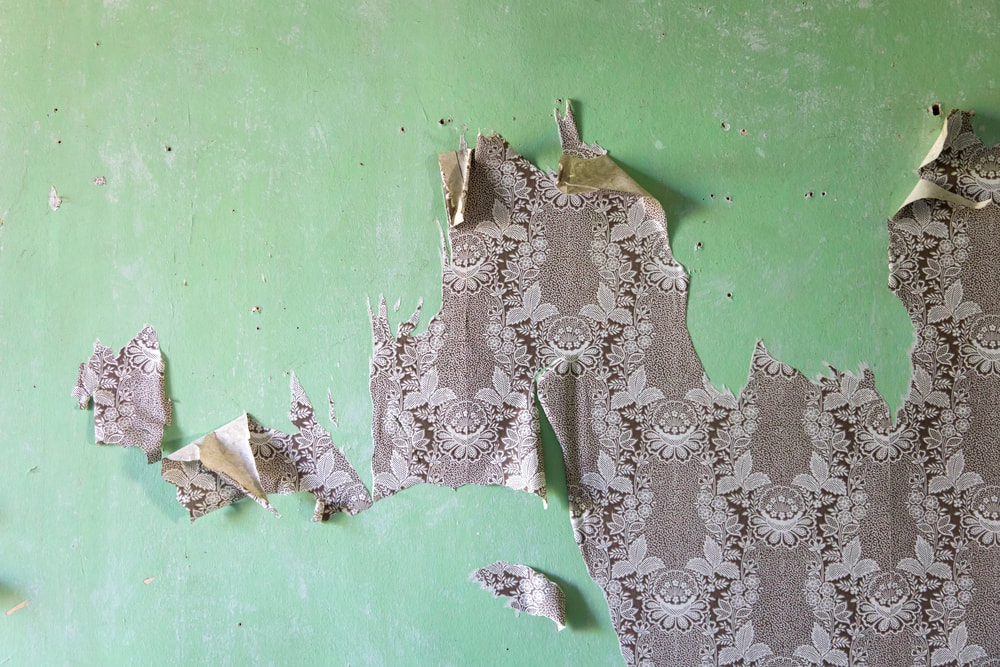
"'It was first used’ says Hale, ‘for severe harassing cough,’ and such good results accrued that provings were made to ascertain its full value. 'It was found to cause severe coryza, with violent sneezing, intense headache, and conjunctivitis. 'These attacks were preceded or followed by rheumatic pains and swelling of the small joints.’ The catarrh of Stic. is for the most part obstructive, and if there is discharge it dries quickly, and forms crusts or scurf. Constant need to blow the nose, but no discharge comes on account of dryness." (Clarke 1902) Sticta is known for its “excessive and painful dryness of the mucous membrane is not due to any want of secretion; for secretions occur but they dry up very rapidly leaving thick crusts behind them.” If you have ever experienced the crusts in the nostril problem, it’s easy to envision that wet Lobelia plant above just instantly shriveling up to the dry Lobelia. This is what I refer to as “wallpaper.” Sticta may be useful when there is stuckness in the respiratory system and it also may be useful for stuckness in the joints. Bursitis is the inflammation of a bursa. Bursa is a small, fluid-filled sac that cushions bones and tendons and muscles near the joints. When there is overuse, for example, the bursa gets inflamed resulting in pain and tenderness. Many people with bursitis describe a “stuck” feeling in the affected joint due to the stiffness, swelling and pain rather than a true mechanical lock. The inflamed bursa swells, thickens and irritates surrounding tissues, resulting in a tight feeling. The hip may feel stiff or stuck when standing from sitting. There may be difficulty raising the arm overhead — it feels frozen or stuck halfway. The knee may feel like it’s kind of stuck - unable to bend or straighten all the way. Here is a quick look of grade 3 & 4 rubrics for Sticta:
"Feels as if she must talk, about everything and anything, whether listened to or not.… Confusion of ideas, patient must talk." — Murphy This little remedy has a surprising number of one remedy rubrics, like:
Feeling stuck? Try some Sticta to become unstuckta. Julia Coyte, CHom Classically Practical homeopath #wellnessawaits
0 Comments
 I was beginning to think the flu season may have just skimmed over the world this year, but here it is… a little later than usual, but, just like always, it is no fun. And, just like always, a little prevention can go a long way. (See also: Calming the Cold; Flu Remedies to Consider; Ho Ho Ho, (not Oooooh No!); Ahh-choo; On the 4th Day of Cell Salts… Ferr Phos.) Let’s jump ahead to the unfortunate situation we see in the picture above where those early signals were missed (or, ignored) and, here we are, unable to get out of bed… feeling just awful and the kids are hungry. (Oh, man, I remember those days. So painful!) So, where would one start in this scenario? Below are seven MAIN COMPLAINTs, followed by 4 or 5 commonly found remedies with 4 or 5 symptoms each which may help to choose a remedy to get back on your feet quickly. Remember! We are not looking for perfection. We are looking for improvement. We are looking to move the worst symptom out of the way for a minute so you can do what you need to do and then, when that’s done, get back into bed to rest properly. This is far from a complete flu repertory. The intent here is to put as many remedies as possible in a quick list. All of these remedies could (pretty much) be listed under all of the headings. In other words, they are (for the most part) wide-reaching flu remedies. Choose the worst MAIN COMPLAINT (found in BOLD CAPS) you are experiencing at the moment and then choose the remedy that best fits your current symptoms. Notes:
 ACHING BODY: Arnica
 COUGH: Antimonium tart
 FEVER*: Aconite
 GASTRO: Arsenicum album
 HEADACHE: Belladonna
 NOSE: Arsenicum album
 SORE THROAT: Causticum
It’s important to remember that there are many, many homeopathic remedies for each of these main symptoms. This is just a brief list which may help to get dinner on the table or that important email answered. Julia Coyte, CHom Classically Practical homeopath #wellnessawaits * Be sure to seek treatment if the fever is very high, continues to climb or is accompanied by seizure or fainting or severe headache or stiff neck (to name but a few concerning symptoms). For more information:
If you have already been through the worst of the flu, check out “Get Well Soon” to find a few helpful tips on recuperating.  On the 11th day of cell salts, Dr. Schüssler gave to us… Natrum sulphuricum.
Nat sulph “is one of our oldest homeopathic remedies, perhaps one of the oldest medicines on earth” (McCabe 2009). Nat sulph is to be considered for those whose illness are caused by damp, wet environments — think mold. Nat sulph, like Nat mur, helps to regulate fluids. Though Nat mur attracts fluid for the body to use, Nat phos attracts fluid for the body to lose, thus Nat sulph is a good kidney support remedy. Conditions which may benefit from Nat sulph:
Mentally and emotionally, melancholy and/or an inner restlessness; those who suffer from SAD (seasonal affective disorder). Additionally, Nat sulph can be helpful for any mental conditions arising from a head injury. Julia Coyte, CHom Classically Practical homeopath #wellnessawaits  On the 8th day of cell salts, Dr. Schüssler gave to us… Magnesium phosphoricum. Like Kali phos, Mag phos helps with nerve issues but dealing with muscular nerves and fibers. Mag phos is an anti-spasmodic and anti-neuralgic — a relaxant for nerves and muscles as well as a nerve stabilizer. Mag phos is the nutritional remedy of the nerves. Mag phos is an excellent pain remedy: pains that shoot from place to place; spasmodic pains; sharp pains; cramping pains; pains that come and go suddenly — conditions like PMS. For pains that run along nerves like sciatica. Conditions which may benefit from Mag phos:
Mentally and emotionally, Mag phos may be irritable, angry, sleepless — their pain is taking center stage. Mag phos is a little different than all the other cells salts in that it “acts especially well, given in hot water” (Boericke 1916). “For speedy symptomatic relief of spasmodic ailments, dissolve 1-2 tablets under the tongue. Then dissolve 2-3 tablets in some hot water, taken in sips. Hold the liquid under the tongue for a minute each time. The 6x potency is usually sufficient” (Weintraub 1999). Julia Coyte, CHom Classically Practical homeopath #wellnessawaits Reference list
Boericke, W., 1916. Pocket manual of homeopathic materia medica comprising the characteristic and guiding symptoms of all remedies. accessed through Radar Opus software. New York, Boericke & Runyon. Carey, G. W., 1996. The Biochemic System of Medicine. Health Research Books. Chapman, E., 1960. How to Use the Twelve Tissue Salts. Nutri Books. Dewey, W. A. and Boericke, W., 2022. The Twelve Tissue Remedies of Schüssler: Comprising the Theory, Therapeutic Application, Materia Medica, and a Complete Repertory of These Remedies. H. Legare Street Press. Hyland's, 2024. Cell Salt #1 Calc Fluor [online]. Hyland’s. McCabe, V., 2009. The Healing Echo. ReadHowYouWant.com. Schuesslertissuessalts.com.au, n.d. Schuessler Tissue Salts - 150 Years Of Natural Medicine In Australia [online]. Schuessler Tissue Salts. Schüssler, W. H., 2003. Schüssler’s twelve tissue remedies : comprising the theory, therapeutic applications, materia medica and a complete repertory of tissue remedies. Sittingbourne, Kent: Homæopathic Book Service. Strbac, L., 2024. Schuessler’s Tissue Salts Rediscovered. Weintraub, S., 1999. Natural healing with cell salts. Pleasant Grove, Ut: Woodland Pub.  On the 4th day of cell salts… Ferrum phosphoricum. Ferr phos is what Dr. Schüssler called the “true form of iron phosphate that occurs naturally in the human system” (McCabe 2009). It is the cell salt most concerned with blood because it is part of hemoglobin, the substance that takes up oxygen from the inhaled air and carries it through the bloodstream to all parts of the body. Because of Ferr phos’s important role in carrying oxygen, it is recommended in nearly all conditions (Weintraub 1999). Ferr phos is considered an important remedy for acute conditions, especially fever and inflammations. When taken at the first sign of illness, it all might be nipped in the bud! Conditions which may benefit from Ferr phos:
Mentally and emotionally, Ferr phos may be helpful for those who just want to be taken care of. They may seem indifferent to their illness. Julia Coyte, CHom Classically Practical homeopath #wellnessawaits Reference list
Carey, G. W., 1996. The Biochemic System of Medicine. Health Research Books. Chapman, E., 1960. How to Use the Twelve Tissue Salts. Nutri Books. Dewey, W. A. and Boericke, W., 2022. The Twelve Tissue Remedies of Schüssler: Comprising the Theory, Therapeutic Application, Materia Medica, and a Complete Repertory of These Remedies. H. Legare Street Press. Hyland's, 2024. Cell Salt #1 Calc Fluor [online]. Hyland’s. McCabe, V., 2009. The Healing Echo. ReadHowYouWant.com. Schuesslertissuessalts.com.au, n.d. Schuessler Tissue Salts - 150 Years Of Natural Medicine In Australia [online]. Schuessler Tissue Salts. Schüssler, W. H., 2003. Schüssler’s twelve tissue remedies : comprising the theory, therapeutic applications, materia medica and a complete repertory of tissue remedies. Sittingbourne, Kent: Homæopathic Book Service. Strbac, L., 2024. Schuessler’s Tissue Salts Rediscovered. Weintraub, S., 1999. Natural healing with cell salts. Pleasant Grove, Ut: Woodland Pub. 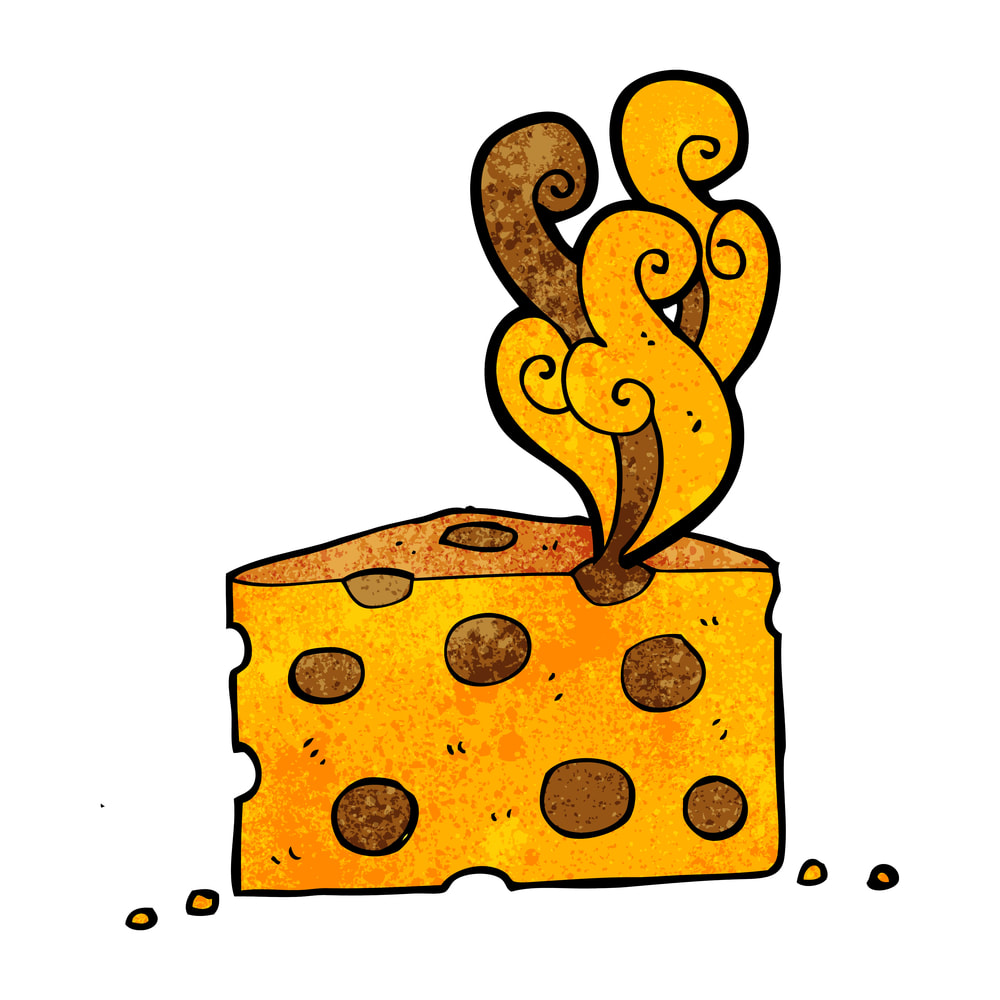 Hepar sulph has been touted as the homeopathic antibiotic. Taken literally, those two words don’t go together because hom (meaning “same”) is the opposite of anti (meaning “against”). (For more information, see Hom, not Home.) With that in mind, let’s talk a little bit about why homeopathic Hepar sulph has acquired this incongruous reputation. Hepar sulph is reputed to combat infections and reduce pain. If we take a look at the Banerji Protocols book (Banerji and Banerji 2013), we will find Hepar sulph listed 40 times. Beginning with acne vulgaris and venturing through such ailments as impetigo, pharyngitis (sore throat) and tonsillitis — all conditions which the internet tells me are generally, or at least often, treated with antibiotics*. Dr. Manuel Mateu Ratera, in his excellent book First Aid with Homeopathy, recommends Hepar for “serious and destructive situations: tendency to suppuration and an exaggerated sensitivity to pain.” Technically, the full name of this homeopathic remedy is Hepar sulphuris calcareum. When I ask my Brave search engine, it tells me that “in the past, ‘hepar’ referred to the liver or a preparation made from it. Although this term is no longer commonly used today, it is a direct borrowing from the Greek word ‘hepar’, meaning liver.” Interesting. Dr. Robin Murphy (2006) tells us that “Liver of Sulphur” is the name given “by the old alchemists to several sulphur compounds whose color was supposed to resemble that of liver.” SIDE NOTE: With all this talk of liver, I took a peek in the repertory to see how Hepar sizes up for liver symptoms and yes, there it is. The second part of the name comes from the “pure flowers of sulphur.” Nope, not that kind of flower. Webster’s Dictionary clears this up as: “sublimed sulfur in the form of a fine yellow powder used especially in agriculture and in medicine” (2024). Back to Murphy (this time accessed via Radar Opus 2.2.16) for the final installment of the understanding of how this remedy comes about: “an impure Sulphide of Calcium prepared by burning in a crucible the white interior of oyster shells with pure flowers of sulphur” bringing the calcareum into the picture. As you may know, our beloved homeopathic remedy Calc carb (aka Calcarea carbonica) is made from the extract from the middle layer of the oyster shell, so all that goodness is part of the Hepar sulph calc picture, too. In fact, Samuel Hahnemann prepared this mineral compound because he was trying to combine the effects of two of homeopathy’s biggest remedies (AKA polycrests) Sulphur and Calc carb. Ok, after a brief side journey to learn how we get this remedy, let’s get back to understanding how Hepar sulph can be applied. Hepar is known physically for exquisite pain and sensitivity: think of ingrown toenails, hang nails, those tender zits that can pop up which cause unbearable pain at the slightest touch. Mentally: anger; being contrary; irritable; extremely sensitive in general as well as to pain; sensitive to air and cold … Put the physical and mental pain and sensitivity together and that pretty much describes a Hepar sulph moment. What general conditions may be helped by Hepar? In no particular order:
Cold may worsen any condition which may be helped by Hepar. For instance, think of the cough or discomfort that may come on after breathing in cold air when unwell or the throat pain that is worse after swallowing a cold drink or a toothache that really zings when you breathe in cold air or swallow a cold drink. And, on top of that, the person may be chilly in general. What unusual symptoms might Hepar sulph tackle?
Cheese? Yes, cheese. Stools which smell like cheese. Cheesy discharges from any part of the body. Conditions which smell like cheese. Breath which smells cheesy. Experiencing the odors of cheese (or old cheese) — be they imaginary odors or real odors. Cheesy smelling sweat. Coughing up “cheesy lumps.” Homeopathy is so effective in so many conditions and Hepar sulph is an excellent remedy to have in your kit, especially if you are adventuring where modern medicine is limited. A well-timed early dose of Hepar sulph could help to avoid bigger problems down the road. Julia Coyte, CHom Classically Practical homeopath #wellnessawaits * Given the fact that many of these conditions are treated via antibiotics in conventional medicine, please make sure to work with a physician alongside a certified homeopath. RESOURCES
Banerji, P. and Banerji, P., 2013. The Banerji protocols : a new method of treatment with homeopathic medicines. India: Pratip Banerji. Merriam-Webster, 2024. Merriam-Webster Dictionary [online]. Merriam-webster.com. Morrison, R., 1993. Desktop guide to keynotes and confirmatory symptoms. Nevada City, Calif.: Hahnemann Clinic Pub. Murphy, R., n.d. Homeopathic Remedy Guide. accessed through Radar Opus 2.2.16. Murphy, R., 2006. Nature’s materia medica : 1,400 homeopathic and herbal remedies. Blackburg, Va.: Lotus Health Institute, November. Ratera, Dr. M. M., 2016. First Aid with Homeopathy. Germany: Narayana Verlag.  “Homeopathic treatment is always worthwhile, even in individuals who are seriously ill and in need of care where there is no hope of complete recovery of health” (Teut and Doppler 2019). Coughs are considered chronic when they last for 8 weeks or longer (4 weeks in children). Nuisance? Yup. Annoying? Yup. (For the cougher and those around you.) Dangerous? Sometimes — be sure to seek the opinion of a medical professional if you are suffering from a chronic cough. Additionally, severe coughs can cause vomiting, dizziness, incontinence and even rib fractures. What causes a chronic cough? Allergies. Postnasal drip. Asthma. Smoking. Acid reflux. Infections (colds and flus). Pneumonia (if you suspect this, please go to the doctor). Fungal infections of the lung. COPD. Some drugs can be the cause of chronic cough. The list goes on, but I dare say you get the picture. Plenty of underlying reasons for a chronic cough. The beautiful part of homeopathy… well, there are many beautiful parts to homeopathy, actually. I digress. Back to today’s beautiful part of homeopathy. The underlying cause doesn’t matter. If we know the reason, it can sometimes be helpful, but it’s not a necessary component to find relief. According to pulmonologist Jonathan Parson from Ohio’s Weiner Medical Center, it’s important to remember that coughing is considered to be a “protective mechanism.” A few descriptions of coughs:
Some coughs come in the middle of the night, waking the poor soul (and their spouse). Some people cough first thing in the morning. Some people cough all day long sometimes escalating to the point of vomiting. With so many different kinds of cough, it’s no surprise there are a lot of homeopathic remedies which may help. Today, I’m going to do a brief repertory (listing the specific type of cough and the associated remedies) followed by a short Materia Medica (a write-up of the remedies) for a couple of my favorite cough remedies. Note: this is an incomplete repertory. (Frederik Schroyens lists over 4,000 rubrics for cough!) I concentrated only on the most highly indicated and easily available remedies. IMPORTANT NOTE: There are many possible underlying reasons for cough, some of which can be very serious. I have highlighted only a couple of these symptoms. If you are suffering from a chronic cough, have it evaluated by a medical professional. Bursting head pain during cough: Bryonia, Natrum muriatium, Nux vomica, Coughing worse by eating: Antimonium tart, Bryonia, Nux vomica Cough with obstructed breathing: *BE SURE TO SEEK MEDICAL CARE IMMEDIATELY. While waiting for help to arrive, try one of the following: Antimonium tart, Arsenicum album, Cuprum metallic, Drosera, Ipecac, Nux vomica Cough with rattling in the chest: Antimonium tart, Ipecac, Nux vomica Cough with vomiting: Antimonium tart, Bryonia, Drosera, Nux vomica Evening cough: Bryonia, Nux vomica Eyes watering during cough: Bryonia, Natrum muriaticum, Fear of coughing: Antimonium tart, Apis, Drosera Involuntary urination with Cough: Apis, Arsenicum album, Bryonia, Causticum, Natrum muriaticum Nux vomica Painful cough: Bryonia, Causticum, Nux vomica Suffocating, choking cough: Antimonium tart, Cuprum, Drosera, Ipecac, Tickling cough: Drosera, Ipecac, Nux vomica Vertigo/dizziness with coughing: Antimonium tart, Arsenicum album, Nux vomica On to the materia medica! Antimonium tartaricum:
Bryonia:
Cuprum metallicum:
Drosera:
Dulcamera:
Ipecac:
Nux vomica:
I could literally keep writing for days about various coughs and their homeopathic remedies. Just know that if you are suffering from a chronic cough, there’s a good chance homeopathy may help. What have you got to lose?! Julia Coyte, CHom Classically Practical homeopath #wellnessawaits Reference list
Judah, 2020. Types of Coughs in Seniors: ‘Pardon me, I have a cough!’ [online]. Laurel Bay Health and Rehabilitation Center. Available from: / [Accessed 18 Jun 2023]. Murphy, R., n.d. Homeopathic Remedy Guide. accessed through Radar Opus. Murphy, R., n.d. Repertory, version 3. Accessed through Radar Opus software. Schroyens, F., n.d. Synthesis Adonis. (accessed through Radar Opus software). Song, W.-J., Morice, A. H., Kim, M.-H., Lee, S.-E., Jo, E.-J., Lee, S.-M., Han, J.-W., Kim, T. H., Kim, S.-H., Jang, H.-C., Kim, K. W., Cho, S.-H., Min, K.-U. and Chang, Y.-S., 2013. Cough in the Elderly Population: Relationships with Multiple Comorbidity. PLoS ONE [online], 8 (10), e78081. Teramoto, S., 2005. Significance of chronic cough as a defence mechanism or a symptom in elderly patients with aspiration and aspiration pneumonia. European Respiratory Journal [online], 25 (1), 210–211.  Waking up in the middle of the night to your little one “barking” and struggling to breathe is a frightening thing. Croup, according to Taber’s Medical Dictionary “is an acute viral disease, usually occurring in children from 6 months to 5 years and marked by a resonant barking cough, (sounding like a seal), and varying degrees of respiratory distress" (Venes and Clarence Wilbur Taber 2013). Croup isn’t a separate disease unto itself — it’s something that can develop from a common cold or flu. “If there’s enough swelling, irritation and coughing, a child can develop:
Mayo says to seek medical attention if your child:
Despite how scary it sounds, croup isn’t usually serious and it mostly can be treated at home. Why the barking? The cough forces air through the swollen and irritated passageway and results in a seal-like bark. My oldest was prone to this and it is indeed an unnerving experience. I didn’t know about homeopathy then, but we were able to treat him at home each time by sitting in the steamy bathroom until it all calmed down. Conversely, taking the child outside into the cold night air or having them stand in front of an open freezer can also do the trick (Cleveland Clinic 2021). How can homeopathy help? The first remedy to consider for croup is Aconitum napellus, or Aconite, for short. (Remember! Aconite rhymes with fright!) It’s a pretty sure bet that both the child and the parent* will be frightened! Use Aconite at the first sign. Repeat, if needed. Aconite is the “go-to” remedy for any illness with rapid onset. * Don’t forget Ignatia for the worried parent! Other homeopathic options for croup: Spongia tosta is the next remedy to consider if the Aconite did not take care of it quickly. Spongia is known to have a cough which sounds like a saw going through wood — a very dry cough and warm drinks are probably helpful. Hepar sulph might be useful in the morning or in the following days when the cough can sound basically the same, but it changes to a wetter cough — loose and possibly rattling. There may be some choking fits that accompany the cough. Repeat the chosen remedy every 15-20 minutes, if needed. If the child falls asleep, that’s good! If they wake again, repeat the remedy. (Click for an instructive video of cough sounds and their corresponding homeopathic remedies.) If your child is prone to croup, consider working with a professional homeopath to help prevent recurrences. Julia Coyte, CHom Classically Practical homeopath #wellnessawaits Allen College of Homoeopathy, n.d. Listen the Cough Sounds & Diagnose the Remedy (Part 1) [online]. www.youtube.com. Cleveland Clinic, 2021. How to Care for Your Child’s Croupy Cough [online]. Cleveland Clinic. . Kessels, L., n.d. Home Remedies for Colds and Croup: Do They Work? [online]. www.stlouischildrens.org. Mayo Clinic, 2019. Croup - Symptoms and causes [online]. Mayo Clinic. Venes, D. and Clarence Wilbur Taber, 2013. Taber’s cyclopedic medical dictionary. [22nd ed., ISBN: 9780803629776]. Philadelphia, Pa.: F.A. Davis.  And, so it begins. The season of family, friends, food, festivities and, less desirably, the crud.
What follows is an account of one family suffering from the crud. I know this family well and often help them homeopathically through quick text exchanges. Knowing she has a good home kit of homeopathic remedies, I addressed her questions and their symptoms with common remedies. Note: sitting down and taking the full case is definitely a better way to approach any situation, but this is how things go sometimes. She didn’t request a “full” acute consultation, she just wanted to address her symptoms as they popped up. A friend called last week with her 1st grader suffering a nasty, yucky cough. She got over it pretty quickly, but she managed to share it with her little sisters. The littlest one wasn’t sleeping for a few nights and since little ones aren’t known for entertaining themselves quietly when they aren’t sleeping, her mom didn’t sleep either and she, too, succumbed to the crud. In an ideal world, the right remedy will take care of the whole enchilada all at once. But, with colds and flus you often have to chase the symptoms. One remedy takes care of the first problem and then the symptoms change and move and are looking for attention elsewhere. The mom texted with her symptoms: “What do I take for right sided nasal congestion that is also plugging my right ear? It’s a gross one. I tried to get on top of it before it fully took over and was unsuccessful.” My answer: homeopathic Sanguinaria canadensis. I knew from her oldest’s symptoms that an icky cough was part of this picture and Sanguinaria is a good cough remedy in general. It is highly indicated in a hacking cough, an irritable cough, a tickling cough and even whooping cough. Sanguinaria also is noted for ear pain and ear discharges and excessive mucus and/or tickling in the larynx, trachea or throat. The lungs may be filled with gunk and the discharges may be stringy or have an odor The headaches of Sanguinaria can be accompanied by nausea or have pain above the eyes and can be specifically associated with the right side. Gastric headaches, throbbing headaches and migraines can all be helped by homeopathic Sanguinaria. The Sanguinaria did its thing and she was feeling better than she had been earlier in the day, but her ear was still troubling her. It turns out her ear was hurting more than she mentioned at first and said that earlier in the day she found relief from resting her ear on a heating pad*. This made me think of Belladonna, another right-sided remedy that is indicated in ear pain that is better from warmth. Not long after, she texted that the crackling was much improved. * This is a very common occurrence, where what would be important symptoms are left off “the list” for one reason or another. Perhaps it is that another symptom is taking precedence or the symptom in question was worse and seemed to have disappeared and not worth mentioning, but then rears its head again. The next morning, the ear pain was gone but the congestion had shifted to her left nostril. Arsenicum album or Apis popped into my head and she texted that she had the Arsenicum album near by and “it seemed to do the trick.” I didn’t hear from her again and I just happened to text this afternoon to see how she was doing and she was not well. She now thought she had developed a sinus infection. In addition to that, her middle child was still sleeping poorly, coughing and “when she blows her nose it’s like she could blow it forever and never run out of snot.” Her daughter was also “fairly emotional” and “overly sensitive” about things that normally wouldn’t bother her. This was the first I had heard about this daughter and suggested Pulsatilla. Pulsatilla is well known for sadness, weeping easily and changeable moods. Children who can benefit from Pulsatilla are often in need of comforting and feel better for consolation. Pulsatilla is also known for discharges of all kinds from all over the body: ears, eyes, lungs, nose and more. A non-irritating, bland, discharge which may be thick or slimy or yellowish/greenish. Pulsatilla is not the only remedy that is known for a copious discharge, but when you add in the over-sensitivity, then Pulsatilla makes a lot of sense. Very soon after, another text arrived saying her daughter was already sounding less cruddy and was “snotting and coughing” less than before. As for the mom, she was suffering sinus pressure and a pretty bad headache. The mucus was no longer free flowing but it was sticking around causing the sinus pressure and the headache and causing pain at the base of her neck and down the shoulder blades. Kali bich is one of the best remedies for headaches from sinus pressure and also for sinus infections. Again, in very short order, another text arrived saying she was “feeling so much better.” A few minutes after that she phoned from her car (she felt well enough to go out and do what she needed to do!) and said she could “feel the tension leaving her body.” Her face pain was gone, her shoulders were relaxing and her voice continued to lighten as the conversation continued. Could all of the mom’s symptoms be addressed more cleanly straight off the bat? Perhaps. In hindsight, Kali bich may have been what she needed from the start, but as the symptoms presented themselves, it didn’t become clear until later. Homeopathy definitely isn’t an exact science and when the symptoms are being addressed in a piece-meal fashion via short, informal texts it’s easy to miss symptoms which could be more specifically targeted if more information had been available. Regardless, homeopathy was able to keep this busy mom going, despite her many and varied symptoms and is a good example of how symptoms can be addressed and responded to when you have a stash of common remedies at your disposal. At this point, the dad has not succumbed. He has been taking Cold Calm** as a preventative. So far, so good! Julia Coyte, CHom Classically Practical homeopath #wellnessawaits ** I have no affiliation with this company, I just like their product.  Remember way back when when we used to routinely exercise our immune system? We would be constantly bombarded by germs that if you weren’t strong enough would result in… [play the ‘duh duh duh’ music here] a cold! There is/was a school of thought that getting and beating these types of attacks is/was good for your health — taking your immune system for a walk, so to speak. My family routinely turned to Boiron’s Cold Calm for quick relief almost every time a little “somethin’ somethin’” seemed to be creeping in. Cold Calm is a combination homeopathic remedy that can certainly save time and energy if the symptoms are just starting to present and are not quite clear enough to choose just one remedy. Or, when you are the person suffering and the inability to think clearly sets in. Here are the homeopathic remedies included in Cold Calm with a little more information to understand what’s in it and how these individual remedies may help your symptoms. Allium cepa is the red onion — you know, the thing that makes your eyes itch and burn and tear up and your nose follows streaming along soon after. Apis mellifica is the honey bee — you know, the thing that stings you and you swell up… like your nose or your eyes if you have a cold. Belladonna has a reputation as a “virus interrupter.” More specifically to coming down with a cold, Belladonna can be helpful with congestion or when suffering a headache as a result of stuffiness. It’s certainly helpful if any sore throat is involved. Eupatorium perfoliatum, also known as “Bone-set” is an excellent fever remedy, specifically (wait for it…) when your bones ache, including your facial bones as a result of sinus pain. Gelsemium sempervirens is one of the great homeopathic influenza remedies. This remedy is taught in the homeopathy schools as the 7 dwarfs remedy: for when someone is Droopy, Drowsy, Dumb, Dizzy, Drained — that’s only 5, but you get the idea. An excellent headache remedy. Kali bich — for when it’s thick! The old homeopathy books call them “clinkers” — that’s a booger to you and me in modern parlance. Lumps of stuff in the nose or throat. Again, another excellent headache remedy if the symptoms fit. Nux vomica — good for stuffy nose, but even better for sneezing. Nux vomica is also an excellent remedy for the tummy symptoms which can sometimes accompany a cold/flu. And, it’s really good for the short temper that can sneak in there when you’re feeling crummy. Phytolacca decandra — swollen glands and sore throats, specifically the sore throats where the pains shoot from the throat into the ears on swallowing. Pulsatilla — if there is a loss of taste and smell. Stuffy nose; a bad odor in the nose; mucusy, loose cough, bland watering eyes (not burning, that’s Allium cepa mentioned above). I have heard Cold Calm referred to as "magical" — now you know why. This little mixture covers just about everything one would need at the start of “a little somethin’ somethin’” coming on. If Cold Calm isn’t quite cutting it for you and you need some further assistance with cold or flu symptoms, book an acute appointment and we’ll see what we can do to get you feeling better quicker. Julia Coyte, CHom Classicallypractical.com #homeopathycanhelp Photo by Matthew Henry on Unsplash |
Julia Coyte, CHomI am passionate about homeopathy and I love sharing this passion. Having a working knowledge of homeopathy shouldn't be kept a secret. If people have the ability to help themselves, their children and their friends when they have minor ailments, life just gets better for everyone. That is the purpose behind Ruminating on Remedies. Archives
October 2026
Categories
All
|
 RSS Feed