 I misjudged how much time I actually have had in the last couple of weeks, so here's a little pain teaser to tide you over…
With that, here is a very quick rundown of go-to pain remedies as suggested in the latest arrival to my bookshelf… Weiner’s Pain Management: A Practical Guide for Clinicians (Boswell and Cole 2007). I purchased this hefty tome (coming in over 1600 pages) to learn better how mainstream medicine approaches treating pain: diagnostic criteria, pathophysiology and methods of treatment; associated factors; causations, etc. I was, needless to say, very happy to see a chapter on Homeopathy! Dana Ullman is a co-author of this section with a short overview of homeopathy (remember, this book is aimed at mainstream physicians), followed by brief entries on common painful conditions, each accompanied by relevant research for the homeopathic remedies. Then, they have a short list of “Commonly Used Homeopathic Medicines for Painful Conditions”:
Sit tight for the longer, more in-depth pain articles which are currently in the works. I am not going to get them all posted before the end of the year - my apologies for that. Wishing you a pleasant and pain free end of 2025! Julia Coyte, CHom Classically Practical homeopath #wellnessawaits Boswell, M. V. and Cole, B. E., eds. 2007. Weiner’s pain management : a practical guide for clinicians. New York: Informa Healthcare.
0 Comments
 “Wellness Box” image created by AI, with my help. Everything else was done by lil’ old me. Do you have a homeopathy kit yet?
If not, why not? It doesn’t take anything fancy. Any old box or bag will do. You could purchase a kit, ready to go. (See here and here for some ideas.) Or, you could make your own kit by purchasing remedies as you need them. Start with one. Add another couple and put a rubber band around them to keep them together. Add a few more and put them in a little ziplock bag. Add a few more and put them in a shoebox. Once you have them, you are then good to go. As long as you keep them safe and together, then you have your kit. I could give you a list of suggested remedies. Would that help? (Almost all of these Ruminating on Remedies articles are written with common, easily sourced remedies in mind. Read through and find a few remedies that might serve you and your family well. It’s actually one of the hardest things to do — narrowing down to just 10, but here goes! Top 10 — in no particular order: 1. Arnica
Two people have independently spoken to me about their homeopathic kits in the last two weeks. The first one purchased a Narayani kit and there is no other way to say it — she is over the moon with it. (She didn’t purchase the little one mentioned in the link above, she went for the whole kit and kaboodle!) The second person, just this morning told me how much she loved her little kit of 50 remedies. She said she wants to carry it around with her everywhere. The other day her son was feeling a little off — Nux took care of that. She slammed her finger tip in a drawer and Arnica and Hypericum took care of that. Done. Easy. Return the remedies to where they belong and your kit is once more ready to go for the next thing that comes along. What are you waiting for?!? Julia Coyte, CHom Classically Practical homeopath #wellnessawaits  Not a photo of the bird that adopted us, but this one looks almost as good as he did.😂 The flu is for the birds and the bird flu, well… I was asked about homeopathic remedies the other for backyard chickens. We used to have chickens (and a peacock and a Chinese pheasant adopted us for a while, too) and I can tell you that homeopathic remedies work beautifully for birds. (See Homeopathy to the Rescue.) Let’s start with giving remedies to the birds. Some say to put the remedies directly in their water. If you have a large flock, this might be the only way to do it. But, if you have a small backyard flock and it’s easy to see if only 1 or 2 birds are sickening, I like to put the pellets in a little water (or bone broth) and add some rice to the small bowl because I knew they would always go for the rice, even if they weren’t going to go for the water. (See also Making a Water Dose.) This way, you can isolate the sick chickens and make sure those who are most in need are actually getting the remedy. Another reason I like to give the remedies in a small bowl of water is that when you put the remedies directly in the birds’ waterer, it’s important to remember that every sip is a dose. However, if you have a large flock and you already have some sick birds, “dosing” the entire flock is probably the best way to approach this problem. As for the bird flu that is going around, the first thought that comes to mind is Oscillococcinum. (“Oscillococcinum 200 actually a patent property of Boiron Laboratory, France” (Julian 1980)). Well, that’s a bit simplistic, isn’t it… just to suggest using a major homeopathic flu remedy for the bird flu? Well, no, actually. The main ingredient in Oscillococcinum* is Anas barbariae which is made from the heart and liver of wild duck. Pierre Schmidt (Schmidt 2025), a homeopath of the 20th century (1894-1987), says “Oscillococcinum is for ‘influenza at the beginning as a preventative, as well as during convalescence.’” “This is the remedy at the beginning of influenza, of rhinitis and otitis. Given early it is very efficacious. To obtain good results in a case which begins and to cut short the manifestations of influenza, it is necessary to use one dose of Oscillococcinum 200c every 2 to 3 hours or repeat only if necessary” (Murphy). See here and here and here and here and here for some studies and here* for a review of Oscillococcinum trials. (Note: I think it is fair to say that at this point in history, there are not many fans of homeopathy in the mainstream medical system, and that includes researchers. Finding positive research on homeopathy is tough going for a couple of reasons: The main one, in my opinion, is that mainstream medicine has not been educated about homeopathy and therefore dismiss it as quackery. The other important reason why it is hard to find good research on the efficacy of homeopathy is that at its core, homeopathy is individualized medicine — a remedy that works for one person’s symptoms may not necessarily work for the next person’s symptoms. (See also: What to Expect.) Could Oscillococcinum work for birds and bird flu? I would certainly be willing to try it if I still had my backyard flock and if I was worried about bird flu. Apparently, bird flu is in my area (said my chicken-keeping neighbor), so I looked up what to look for in the flock. According to the Australian Government (2023):
So, what I’m seeing in these government documents, other than the combs and wattles and egg laying, are signs of the flu, but in chickens. With that in mind, symptoms are symptoms and remedies are remedies… meaning… it doesn’t matter if it’s a bird or a dog or a human, the symptoms will be noticeable and those symptoms can be addressed through the same homeopathic remedies regardless of showing up in a bird or a dog or a human. Sneezing is sneezing. Watery eyes are watery eyes. Fevers are fevers. Weakness is weakness. The only difference here, though, the chicken can’t tell us if the watery eyes or the diarrhea are acrid or bland. They can’t tell us if they they ache. Chickens run hot compared to humans (106 F) (Hobby Farms 2019), so telling if they have a fever could be a little tricky to begin with. My last article, When you have to get up… has a nice, long list of flu symptoms and possible remedies. I would say any chicken symptoms you could match with that list would work fine and dandy. The trick is translating what you’re seeing in your birds into human language. A more severe form of this disease which “presents suddenly, often with very high mortality, with affected birds developing swollen heads [emphasis mine], a blue coloration of the comb and wattles, dullness, lack of appetite, respiratory distress, diarrhea and significant drop in egg production” (2025) is another matter. Looking back in time a bit, The Poultry Doctor (Chambers 2018) originally published in 1891, mentions a swelled head: “From some cause not clear, the heads of hens will often swell greatly and be very hot. Exposure to draughts of air, however, is a fruitful cause of both swelled heads and swollen eyes. Spongia has given relief in many cases but Belladonna is the indicated remedy for this trouble; Bryonia also will relieve.” All three of these remedies are excellent flu remedies, in general. What else may help ward off the bird flu in your flock? This article has a short list of possible flu preventatives which may be applicable:
Prior to any symptoms showing up, Hyland’s Bioplasma* (or any other source of the combined cell salts — this is just the easiest to come by in most natural food stores in the US) is another good option. A couple of pellets of this combination of the twelve cell salts could easily be dropped in the flocks’ waterer for a while to help shore up their immune systems. We birds of a homeopathic feather need to flock together to keep sharing information on homeopathic remedies for humans and fowl alike! — if you would like to schedule a consult with me, drop me a line at [email protected]. Julia Coyte, CHom Classically Practical homeopath #wellnessawaits * I have no affiliation with this company, I just like their products. ** This review is not really in favor Oscillococcinum, however, I think it’s very important to note that in the “Authors’ conclusions” that it “could have a clinically useful treatment effect but, given the low quality of the eligible studies, the evidence is not compelling. There was no evidence of clinically important harms due to Oscillococcinum.” [emphasis mine] Reference list
Australian Government, 2023. Bird flu (Avian influenza) - DAFF [online]. Agriculture.gov.au. Beghi, G. M. and Morselli-Labate, A. M., 2016. Does homeopathic medicine have a preventive effect on respiratory tract infections? A real life observational study. Multidisciplinary Respiratory Medicine, 11 (1). Boericke and Tafel, 2018. The Poultry Doctor: The homeopathic treatment and care of chickens, turkeys, gees, ducks and singing birds. 2018 ed. Colombo, G. L., Di Matteo, S., Martinotti, C., Oselin, M., Bruno, G. and Beghi, G. M., 2018. The preventive effect on respiratory tract infections of Oscillococcinum®. A cost-effectiveness analysis. ClinicoEconomics and Outcomes Research [online], Volume 10, 75–82. Dutta, A., Manna, A., Ghosh, S., Mundle, M., Saha, M., Kumar Gourav, Sukhdeb Maiti and Chattopadhyay, B., 2024. Prespecified Homeopathic Medicines in the Prevention of Confirmed and Suspected Cases of COVID-19: A Community-Based, Double-Blind, Randomized, Placebo-Controlled Prophylaxis Trial. Complementary Medicine Research, 31 (2), 140–148. Hobby Farms, 2019. Chickens & Body Temperature: What You Need to Know [online]. Hobby Farms. Homeopathy Plus, 2024. Bird Flu: Are We at Risk [online]. Homeopathyplus.com. Julian, O. A., 1980. Treatise on Dynamised Micro-Immunotherapy. First Indian Edition, 1980. New Delhi - 110055 (India): B. Jain Publishers (P.) Ltd. Mathie, R. T., Frye, J. and Fisher, P., 2015. Homeopathic Oscillococcinum® for preventing and treating influenza and influenza-like illness. Cochrane Database of Systematic Reviews. Murphy, R., 2006. Nature’s materia medica : 1,400 homeopathic and herbal remedies. Blackburg, Va.: Lotus Health Institute, November. Schmidt, P., 2025. Pierre Schmidt [online]. Remedia-homeopathy.com. Scottish Government, 2025. Avian influenza (bird flu): how to spot and report the disease - gov.scot [online]. www.gov.scot. UCHealth, 2024. The bird flu has spread to dairy cows. Do you need to worry about another pandemic? [online]. UCHealth Today. Vickers, A. J. and Smith, C., 2004. Homoeopathic Oscillococcinum for preventing and treating influenza and influenza-like syndromes. Cochrane Database System Review.  I was beginning to think the flu season may have just skimmed over the world this year, but here it is… a little later than usual, but, just like always, it is no fun. And, just like always, a little prevention can go a long way. (See also: Calming the Cold; Flu Remedies to Consider; Ho Ho Ho, (not Oooooh No!); Ahh-choo; On the 4th Day of Cell Salts… Ferr Phos.) Let’s jump ahead to the unfortunate situation we see in the picture above where those early signals were missed (or, ignored) and, here we are, unable to get out of bed… feeling just awful and the kids are hungry. (Oh, man, I remember those days. So painful!) So, where would one start in this scenario? Below are seven MAIN COMPLAINTs, followed by 4 or 5 commonly found remedies with 4 or 5 symptoms each which may help to choose a remedy to get back on your feet quickly. Remember! We are not looking for perfection. We are looking for improvement. We are looking to move the worst symptom out of the way for a minute so you can do what you need to do and then, when that’s done, get back into bed to rest properly. This is far from a complete flu repertory. The intent here is to put as many remedies as possible in a quick list. All of these remedies could (pretty much) be listed under all of the headings. In other words, they are (for the most part) wide-reaching flu remedies. Choose the worst MAIN COMPLAINT (found in BOLD CAPS) you are experiencing at the moment and then choose the remedy that best fits your current symptoms. Notes:
 ACHING BODY: Arnica
 COUGH: Antimonium tart
 FEVER*: Aconite
 GASTRO: Arsenicum album
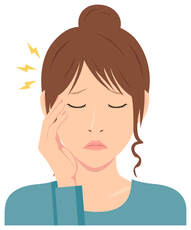 HEADACHE: Belladonna
 NOSE: Arsenicum album
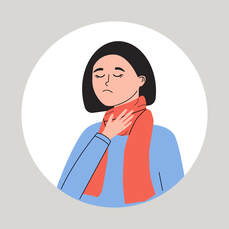 SORE THROAT: Causticum
It’s important to remember that there are many, many homeopathic remedies for each of these main symptoms. This is just a brief list which may help to get dinner on the table or that important email answered. Julia Coyte, CHom Classically Practical homeopath #wellnessawaits * Be sure to seek treatment if the fever is very high, continues to climb or is accompanied by seizure or fainting or severe headache or stiff neck (to name but a few concerning symptoms). For more information:
If you have already been through the worst of the flu, check out “Get Well Soon” to find a few helpful tips on recuperating. 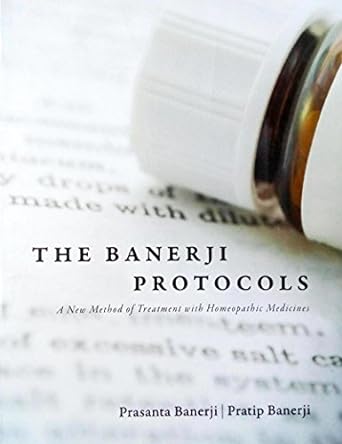 Last week I wrote about the Narayani remedies, primarily because I had just used TapRoots* fabulous kit again and I wanted to sing its praises. (See below for information on their Banerji Protocol kits.) My first homeopathic combination love, though, needs a little attention: the Banerji Protocols. I have told this story before, but the amazingly wonderful and powerful Banerji Protocols are what convinced me to become a homeopath. Two weeks after beginning a bunch of combination remedies, in addition to a couple of individual homeopathic remedies all taken according to the schedule provided by my homeopath at the time, Joette Calabrese, — (I didn’t do this on my own!), I felt better than I had in many years. Just two weeks and the relief I felt was nothing short of miraculous. It was truly, truly life-changing stuff. So life changing that I immediately began taking classes in the Banerji Protocols offered by Joette Calabrese** and after a few months when I had finished all there was on offer that way, I enrolled in homeopathy school. (It’s funny. When I first spoke with Joette she mentioned her classes and asked if I would be interested. I responded that I didn’t have any time, as interesting as they sounded. Little did I know how much time I would want for studying all this new-to-me stuff called homeopathy! There simply aren’t enough hours in the day, even all these years later! I literally abandoned all my other interests at that point and dove straight in -- never even coming up for air!) I think it’s fair to say that not all classically trained homeopaths are overly fond of practical, or, what is also referred to as clinical homeopathy. Some can be rather snooty about it, actually. (I have clients who have been "fired" by their classical homeopath because the individual took additional homeopathic remedies on their own accord.) In particular, classical homeopaths seem to take umbrage with the Banerji Protocols. Why they do this, I can’t be certain, but I have my suspicions. The Banerji Protocols were developed by the Drs Banerji (father and son) in Calcutta, India. This is a 4th generation family of homeopaths and for all that time, their clinic has been keeping records of which remedies helped which conditions. They have 10 doctors/homeopaths in their clinic who each see 100 patients a day. That’s 1,000 patients a day (!) upon which to base their information. They have some marvelous success rates and those results are replicated over and over again. It is truly impressive. How do the Banerji Protocols differ from the Narayani remedies? The Banerji Protocols are elegant combinations of homeopathic remedies. The Narayani remedies are still wondrous creations, but they are much larger combinations of homeopathic remedies — often mixing not just individual homeopathic remedies but also adding homeopathic nosodes, sarcodes and even Bach flower essences into the mix, too. The Banerji Protocols use some combination remedies (generally combinations of only 2 remedies at a time) but mostly using individual remedies, but taking them as part of the same protocol (see below for an example). Remember, at it's core, classical homeopathy involves using one single remedy and then waiting and seeing what comes from that. The Banerji Protocols repeat remedies … sometimes weekly; sometimes daily; sometimes multiple times a day. Because it has been in the news lately, let’s look at the Banerji’s first line (more on this later) protocol for the Measles***:
If it works so well, why do classical homeopaths balk at that and not embrace it? Even though these protocols have been used for decades in India, they’re fairly new to us in other corners of the world. More importantly, as a classically trained homeopath, I can tell you that we are taught that every remedy we suggest to a client needs to be based on meticulous case-taking and that (single) remedy needs to be tailored to the specific symptoms that person is expressing — the Similimum. This is the really impressive aspect of homeopathy that differentiates it from every other form of medicine out there. Classical homeopathy doesn’t treat a disease, it treats the individual. And, what a beautiful thing it is! I agree… in principle. However, in today’s day and age where we have excellent diagnoses available to us through imaging and testing, finding the similimum is not always necessary. This is where the Banerji Protocols can step right up and take their very valuable spot. (See also: The Importance of a Proper Diagnosis.) The Banerjis, with all their many thousands of case histories to rely upon, have learned what works for commonly diagnosed conditions. To name but a few:
The Banerji Protocols: A New Method of Treatment with Homeopathic Medicines is, in my never-to-be-humble opinion, an indispensable book. My copy is well loved and beginning to fall apart as I have read through and studied the approximately 200 conditions over the years. For each condition addressed, they (generally speaking) list 3 “lines”:
We’re also taught in classical homeopathy schools that remedies should never be combined with other remedies. The logic here is sound: homeopathic remedies are tested or “proved” (using the homeopathic terminology) one at a time. To my knowledge, there has not been any official testing or provings of combined homeopathic remedies (just long, positive track records, like the records the Banerjis keep). Having said that, to my understanding, there have not been any problems with using said combined remedies. There are certainly plenty of them out there*: Boiron, Hylands, Heel, UNDA, Narayani, Dr. Reckeweg — (there are more but this list should suffice to get anyone who has an interest in such things started). How else do the Banerji Protocols differ from classical homeopathy?
Now, let’s turn to Dr. Samuel Hahnemann, the father of homeopathy. The other most important aspect of homeopathy is found in aphorism #1 in Hahnemann’s Organon of Medicine: “The physician’s highest and only calling is to make the sick healthy, to cure, as it is called.” This beautiful ideal is from 1842, written in the 6th edition of Dr. Hahnemann's magnum opus, 32 years after his first edition. During these years, his methods changed and grew and who knows where his experimentation would have ended up if he had been able to get to the 10th or 20th editions of The Organon? I happen to believe that Dr. Hahnemann would have eventually come around to the idea of combination remedies, but that’s just my opinion. What does it matter if one remedy at a time is used or if multiple remedies are combined… as long as the person experiences relief? I know of successful classical homeopaths who say they use a particular remedy in their practice weekly. I’m going to go out on a limb here and say that is not necessarily truly classical homeopathy. This, to me, does not really sound like they are getting the single best remedy that is “homeopathic to the case.” It can’t possibly be. If these homeopaths were going about their homeopathy in a completely classical fashion, the chances of them using the same remedy as the similimum for multiple clients in the same same week or month (outside of an epidemic/pandemic) are quite low. Or, they say, “I use this remedy for this condition.” Again, this is essentially using a protocol — they are just their own protocols. After all, protocols are procedures based on previous experience to deliver an expected outcome. I am certainly not knocking these homeopaths for doing this. On the contrary! This is exactly the point of practical or clinical homeopathy. Lots of people need similar or even the same remedies to help treat the conditions from which they suffer. For this reason, I incorporate many ways of finding remedies for my clients. I suggest remedies based on how my clients want to work: if they want a single remedy, great! I’m on it. If they want a schedule of combination remedies, I can do that, too. If they want a mix of everything - done! I am happy to work with people in whichever way makes them comfortable. My goal as a homeopath is to help people feel better. Julia Coyte, CHom Classically Practical homeopath #wellnessawaits * I have no affiliation with these companies or people — just a big fan! ** Joette Calabrese is THE person from whom to learn the Banerji Protocols. Her many great webinars (and Facebook Live videos) are personable, interesting, entertaining and absolutely chock-a-block full of information. The hows and whys, the stories, her time spent with the Drs Banerji… definitely well worth the investment of time and money if you have any interest in learning about the Banerji Protocols. *** I have intentionally left out the potencies. The Banerji Protocol book is a marvelous resource to have on your shelf and it will fill in the rest of the protocol information for you. Note: Some of their protocols call for remedies prepared in a liquid. Additionally, occasionally, they list potencies which we do not use in the west (in fact, sometimes these potencies are not even available in the west). Please be sure to take this into consideration if you purchase this terrific book and use caution when you encounter potencies which seem “unusual” to you. TapRoots* also offers not one, but two (!) Banerji Protocol kits. The first one, The Banerji Protocols Combination set is $199 ($269.99 with a booklet). This is a little 50-remedy kit full of their handy-dandy combinations, like:
Reference list
Banerji, Dr. P., n.d. The Diaries of a Stubborn Homeopath. Banerji, P. and Banerji, P., 2013. The Banerji Protocols : a New Method of Treatment with Homeopathic Medicines. India: Pratip Banerji. Boiron, 2020. Boiron USA - World Leader in Homeopathic Medicines [online]. BoironUSA. Calabrese, J., 2024. JoetteCalabrese.com - Homeopathy works with us...not on us. [online]. JoetteCalabrese.com. Dr. Reckeweg, 2022. Home [online]. Dr. Reckeweg. Hahnemann, S. and Wenda Brewster O'reilly, 1996. Organon of the Medical Art. Palo Alto, Ca: Birdcage Books. Homeopathy School international, 2025. Home - HOMEOPATHY SCHOOL INTERNATIONAL [online]. HOMEOPATHY SCHOOL INTERNATIONAL. Hylands, 2025. Hyland’s [online]. Hyland’s. MediNatura, 2021. MediNatura [online]. MediNatura. Narayani Remedies, n.d. NARAYANI REMEDIES [online]. narayaniremedies.com. SHASTRI, D. and LEE, M., 2025. What to know about measles outbreaks in Texas and New Mexico [online]. AP News. TapRoots, 2025. Homeopathic Kits [online]. TapRoots.  Can you catch vertigo*? Gosh, it seems like it cuz all of the sudden, everybody around me is complaining of dizziness. (See also: It’s Never Too Late, part 2: Balance.) I’ve been there done that — it’s a miserable experience. Some people experience it as being lightheaded or unsteady on their feet. Others experience it as the room spinning around them and still others experience it as if they themselves are spinning. Some may feel they are falling to the left, or the right. Some people have it only when they’re in bed and others have relief when they get into bed. What causes vertigo/dizziness? Lots of things: Upper respiratory viruses can set it up. Head injuries. Ear infections or inner ear problems. Motion sickness. Anxiety. Infections, in general — viral or bacterial. Migraines. These are all some “benign” causations. Vertigo can also be caused by some more serious issues: some medications, heart problems, stroke, MS — so if you are a vertigo sufferer, be sure to work with your physician to uncover the cause. Another cause of vertigo is a “silent” migraine, also known as vestibular migraine, which can affect the inner ear and the balance system but without the typical headache usually associated with migraines. Typical migraine triggers may set this off (caffeine, bright lights, changes in weather) and these episodes can last for minutes or for days. So, how can homeopathy help when your world is spinning? Murphy’s Repertory lists 974 rubrics for vertigo with some pretty specific symptoms and I’ve seen some pretty pleasing results for this nasty condition. (There are so many homeopathic remedies that can help with vertigo that it can make your head spin!) Perhaps some of the frequent vertigo I am hearing about lately is coming from the world at large feeling all topsy-turvy right now — these are some dizzying times, politically and culturally speaking. (See also: Homeopathy can make a heavy world a little lighter.) When anxiety is related to the dizziness, Cocculus may be of some assistance. A trembling/fluttering sensation in the heart (palpitations) during vertigo; mental confusion; mental exhaustion. Vertigo following emotional excitement; vertigo from loss of sleep. Travel may bring on dizziness (see also, Seasickness). Another remedy which can be useful for vertigo and anxiety is Nux vomica. I have watched Nux vomica work beautifully (and quickly!) for dizziness as a result of fatigue. (See: Too Much.) As we all know, fatigue can be brought on from not enough sleep — not enough is another way of saying “too much.” More broadly, Nux vomica can be useful for dizziness as a result of eating, drinking alcohol or smoking. If there is tendency to fall or if there is staggering or if fainting accompanies the vertigo. Dizziness from the smell of flowers or gas; Mental exertion; or, from being in a room with too many lights. Think of Nux vomica also for vertigo that is worse in bed. If turning in bed is worse, look to either Belladonna or Conium. Belladonna is a good one to think of when a headache accompanies the dizziness. Anxiety might be part of this picture. Pupils may be dilated. Walking may be tricky, or, the vertigo may actually come on while walking. Visually speaking, dizziness may be accompanied by dim or obscured vision. Nux vomica is very highly indicated if there is “vanishing” sight with vertigo. Gelsemium for vertigo with vision issues: double vision; obscured or dim vision, or, even a loss of vision during the vertigo. Head position can play a big part in vertigo. There is something called Benign Paroxysmal Positional Vertigo (BPPV) (which is different from “silent” migraine mentioned above). BPPV is very common and results in “the sudden sensation that you are spinning or that the inside of your head is spinning” (Mayo Clinic 2018) . If moving the head makes the dizziness worse, think of either Bryonia or Conium. (Remember, Bryonia is very commonly worse for movement no matter what is going on, they prefer to remain still.) Another way of looking at this one, is that keeping the head perfectly still makes the vertigo better. Borax is a little remedy which has a great affinity for downward movement. If the vertigo kicks in when descending stairs, Borax is the place to start. (Think of Borax also for sleeping babies who startle awake as they are being placed in the crib.) If dizziness occurs when going up the stairs, look to Calc carb. There are so many reasons why one may be experiencing vertigo/dizziness. Be sure to work with your physician to rule out anything serious. In the meantime, a well-chosen homeopathic remedy may help stop the merry-go-round while you figure out what is causing the dizziness/vertigo. Julia Coyte, CHom Classically Practical homeopath #wellnessawaits * I will be using vertigo and dizziness interchangeably in this article, though National Dizzy & Balance Center (Balance 2021) -- (I have no idea who they are, but it’s an interesting website) describes vertigo as “a false sense of movement — almost making it feel as if you, yourself, are spinning even when you’re standing still.” They describe dizziness as a “term often used to describe a variety of balance issues… a term that may apply to motion and balance sensations including light-headedness, faintness, wooziness, or unsteadiness. While not all dizzy spells point to vertigo, vertigo can fall under the umbrella of general dizziness for diagnostic purposes.” Balance, 2021. Dizziness vs. Vertigo - National Dizzy & Balance Center [online]. National Dizzy & Balance Center.
Mayo Clinic, 2018. Benign Paroxysmal Positional Vertigo (BPPV) - Symptoms and Causes [online]. Mayo Clinic.  No matter what you want to call it … (if you’re squeamish, just know we’re talking about diarrhea and skip forward to the next paragraph). If toilet humor is your thing, here we go: Number 3, Chocolate Thunder, Poo Stew, Rectum Rapids, Turd Tea, Emergency Evacuation, The Squirts, Brown Bomb, Liquid Lunch, Poop Soup … I’ll stop now. (If you would like a few more unseemly names, see Travelers’ Diarrhea.) Don’t worry, I won’t continue with the graphic descriptions. What follows is a long list of situations where one might experience diarrhea and the most highly indicated remedies for each. Once again, if you are experiencing diarrhea beyond an acute bout, please seek professional medical advice. Before embarking on my long list of unfortunate bottom-related circumstances, let me share one of my first amazing homeopathic "wowee!" moments. We were traveling and my then young teenage son was very sick in the night with suspected food poisoning. I was hemming and hawing, trying to remember what I had learned about remedies. I went with Veratrum album and within minutes everything stopped. I mean, everything completely stopped. He slept the rest of the night and woke up fine and dandy. “Better out than in” is what we say around here! As a result of this experience, I keep a little vial of Veratrum album in my little travel kit that accompanies me every time I leave the house with my suitcase. Veratrum album is my go-to homeopathic remedy for if things are coming out of both ends. What else may point to the use of this remedy? The diarrhea (or vomiting) may be violent, voluminous and relentless. Collapse following diarrhea (not the only well indicated remedy in this rubric, but a good place to start). The person may be cold: cold limbs, generally chilly, and/or clammy. Diarrhea with perspiration. Diarrhea after eating fruit; diarrhea after eating cucumbers (technically a fruit, after all). Diarrhea during menses. Diarrhea which is made worse by movement/motion (Bryonia is another one to think of for this symptom). And, here’s one more unusual concomitant symptom for Veratrum album: hiccups during diarrhea. Isn’t that just what you need in that situation?! Children & Diarrhea: If you have an infant with diarrhea, administer Podophyllum on the way to see the doctor — dehydration can set in quickly. Diarrhea while cutting teeth: Chamomilla. Chamomilla is such an excellent remedy for children, in general, and it doesn’t let us down in this situation, either (but these symptoms are not confined to children. With everything homeopathy, if the symptoms match, the remedy would be effective for man, woman, child or animal.) Diarrhea with abdominal pain. Diarrhea: following anger; after taking a cold; after eating and, specifically after eating rhubarb. Emotional diarrhea or from excitement. During hot weather. Painless diarrhea. And, here is a rubric unique to Chamomilla (but hopefully you wouldn’t find this in a child!): diarrhea after smoking. The Elderly & Diarrhea: Like children, the elderly, too, have some remedies with great affinity to their age. In this particular situation, I would lean toward China officinalis. China is so good for enfeebled people, as can often be found in the later years. In particular, China is useful for weak digestion; dyspepsia/indigestion; flatulence; chronic belching. Dysentery, in simple terms, involves frequent bowel movements with blood and mucus in the stool, often accompanied by cramps and pain. Give some China while on the way to see a doctor. Please seek medical assistance if you are experiencing these symptoms. If diarrhea and constipation alternate in older individuals, consider Antimonium crud. On to the general list… If experiencing abdominal pain, and it feels like diarrhea is imminent, Aloe would be my first recommendation. There may be accompanying weakness. Diarrhea after eating and in particular, diarrhea following the slightest dietary indiscretion. Walking makes it worse. Lots of toots during the diarrhea. There are a few rubrics where Aloe and Sulphur “tie” when it comes to diarrhea: burning pain in the rectum; being driven out of bed in the morning, needing the toilet desperately (Sulphur has the specific times of 5-6 am); painless diarrhea; standing makes it worse. Where Sulphur “wins out” over Aloe: diarrhea after beer and nighttime diarrhea, especially after midnight. If the diarrhea alternates with another symptom, such as:
Diarrhea and emotions:
Feeling wiped out after all that wiping? China is a good place to start. If the weakness is particularly pronounced, also consider Phosphoric acid. If the act of wiping actually causes pain: Graphites. Diarrhea during pregnancy: Phosphorus Diarrhea during menopause: Lachesis Diarrhea following an injury: Arnica If it’s coming out as from a hydrant: Podophyllum If it has a really noxious smell: Baptisia Diarrhea following the consumption of:
If you find your appetite increases with diarrhea: Petroleum. Cold hands with diarrhea: Phosphorus Cold feet: Lycopodium Cold limbs: Arsenicum album, Camphora and Veratrum album Positionally speaking: If lying down make it worse: Dioscorea If lying down makes it better: Bryonia (though it may be worse lying on your side) Sitting upright makes it worse: Bryonia Time of day: If it starts after you have risen from bed and moving around: Bryonia or Nat sulph After midnight: Arsenicum album or Sulphur If the diarrhea causes sleeplessness: Phosphorus I changed my mind. I will use one more dysphemism: the sharts, also commonly referred to as “gambled and lost” (Flanagan 2010). If you are having diarrhea during rectal flatus, there are a number of well indicated remedies, but I would start with Aloe — the remedy for an insecure rectum (click that link to read the previous article with the same name.) What would cause an “insecure rectum?” Let’s go back to Giulia Enders’ Gut for this explanation. Apparently we have a pair of “sophisticated” sphincters which Enders takes a few pages to explain and I am going to try and shrink it down to the bare essentials using her words, (but the full explanation is certainly worth a read). “The outer muscle is a faithful servant of our consciousness. When our brain deems it an unsuitable time to go to the toilet, the external sphincter obeys and stays closed with all its might. … Our internal sphincter is a no-nonsense little guy. His motto is, ‘If it’s gotta come out, it’s gotta come out!’ … The external sphincter, on the other hand, has to deal with the vagaries of the outside world and its many options.” Suffice it to say, we need these two sphincters to communicate well. A few more remedies for involuntary stool (not necessarily diarrhea):
As you can see, homeopathy can be invaluable when it comes to diarrhea — there is a homeopathic remedy for almost any situation! Julia Coyte, CHom Classically Practical homeopath #wellnessawaits References:
Enders, G., 2015. Gut : the Inside Story of Our Body’s Most Underrated Organ. Greystone Books. Flanagan, D., 2010. Everybody poops 410 pounds a year : an illustrated bathroom companion for grown-ups. Berkeley, Ca: Ulysses Press. Murphy, R., n.d. Homeopathic Remedy Guide. accessed through Radar Opus software.  “All is Calm?” Really? At this time of year? Holidays and stress seem to go hand in hand. Was this always the plan? I’m thinking not. Can we decouple Christmas from stress? Jo Robinson and Bill McKibben seem to think it is possible. Full disclosure, I haven’t read their books (Unplug the Christmas Machine: A Complete Guide to Putting Love and Joy Back into the Season & Hundred Dollar Holiday: The Case For a More Joyful Christmas), but I certainly like the premise. For the first time ever I am currently on a pre-holiday vacation with my family and as lovely as it is I find myself stressing out when I walk into the beautifully decorated restaurant. You see, I left our house naked — undecorated — prior to shlepping off to the early morning flight. The day before we left, I did haul out a couple boxes of jolly things, so, at least I would not have to do that part the day after stepping back off a plane, but… really? Do I really need to stress myself out to get the “right vibe” going in the few short days before Christmas proper? I suppose it all comes down to choice. I am choosing to work a few hectic hours to make a festive and fun environment for our Christmas. You know what? That helped. That little mind set switch relieved a lot of the stress I was putting on myself. What else can help with holiday stress? Well, on a practical note, a few years ago I invested in fabric bags*. No more buying wrapping paper and tape and ribbons and spending hours making things look just right under the tree with miles of wrapping paper, tape and ribbon … and, no more big garbage bags filled with that identical pretty wrapping paper and tape and ribbons that no longer serve any purpose. This has been an enormous time saver/stress reducer, I can tell you that. What really helps, though, is homeopathy, of course! Really, any homeopathic remedy that matches the symptoms of what a person is experiencing may be the best stress-reliever for that person, but generically speaking, there are a few homeopathic remedies that I have readily used in the past. Ignatia and Nux vomica are two that come quickly to mind. In fact, check out Overwhelmed for an overview of how those two remedies differ and might help. Boiron’s Stress Calm** has been known to live in my purse during stressful times. Like all homeopathic remedies, Stress Calm is sedative free and not habit forming. And, like all homeopathic combinations, you may prefer to choose one remedy out of the lineup that suits your situation best, but this is a very helpful little grouping of 6c remedies. From the Stress Calm package: Aconite for restlessness and agitation Belladonna for hypersensitivity to stress Calendula for nervous fatigue and hypersensitivity to noise Chelidonium for digestive symptoms caused by stress Jequirity to relieve uneasiness (This remedy is also known as Abrus precatorius and is known to be helpful for headaches and malaise.) Viburnum relieves nervousness and restless sleep. The directions say to dissolve 2 tablets under the tongue three times a day until symptoms are relieved. We have a few more days of family vacation, then we climb back on the plane for the dreaded flight home… Do some laundry, refill the fridge, send some Charlie Brown Christmas through the speakers, trim the tree and a little corner of the house, too… plop the already wrapped prezzies under the tree and enjoy the decorated days with my boys.
Share some of your holiday stress busters in the comments! Julia Coyte, CHom Classically Practical homeopath #wellnessawaits * Fabric wrap: you can purchase premade bags online, though they can be pretty expensive. I found a bunch of fun fabric and then I found a person handier than I with a sewing machine who made them into bags of various sizes, attached with bright ribbons. After a few years of happily using these bags, I now look forward to them just as much as pulling out my favorite ornaments for the tree. (I liked these bags so much I did the same thing for birthdays! I highly recommend it!)  I have also found some great old silk scarves on eBay. They may have a hole or 2 and they may no longer be fashionable around your neck but they’re great for a little fancier version of fabric wrapping!
** I have no financial affiliation with this company, I just like their products.
 Tis the season for… Sore Throats. Sore throat complaints are keeping me busy this month! Some have the dreaded Covid, some have the flu, some may have strep throat and some people just have a sore throat. What to do about this pharyngitis? (Pharynx is the part of the throat behind the mouth and nasal cavity and “itis” for inflammation.) Well, at the first sign of feeling unwell, I like the Banerji protocol of Aconite 200c mixed with Bryonia 30c. Taking this right away can often nip things in the bud and send the yucks away before they can settle in. Another option for those who are quick on the draw is Ferrum phos 6x. This, too, can often turn things around in short order. Once the yucks have made themselves at home and one is definitively feeling unwell, let’s look at a few homeopathic remedies which may help. (Note: There are many remedies which can be helpful for sore throats, these are just a few of my favorites.) See also: Calming the Cold; Some Flu Remedies to Consider and Tis the season for the crud. Baptisia Extremely painful, dark red throat, where swallowing liquids is the only option and even that is very difficult, despite being thirsty; tiny bites of food gags them. They may have swollen glands and/or bad breath. Belladonna The sore throat appears suddenly and generally hurts more on the right side with burning or throbbing pain. The throat and the tip of the tongue may be red. Pain is worse from turning the head, touching the throat and swallowing, especially liquids. Face will often be red and hot but the hands and feet tend to be cold. Gelsemium Burning and rough sore throat with pain that extends from the throat to the ear. May feel like there’s a painful lump in the throat that cannot be swallowed. Pain in the sternocleidomastoid — the long muscles on either side of your neck. Paralysis of the vocal cords. Swallowing solid foods is difficult. Hepar sulph Homeopathic Hepar is known for a sticking sensation in the throat, like a splinter or a bone. Pain extends to the ear on yawning and swallowing. May hawk up thick, yellow, sticky mucus. Wrapping up the external throat feels good. Cold drinks or becoming cold makes them feel worse but warmth in general and warm drinks can help. There may be a pulsation felt in the throat and they may feel worse in the evening and at night. Very sensitive to the pain and sensitive to everything else, too, actually and they may be irritable and impatient. Lachesis A purple throat, often on the left side (or starts on the left and moves to the right) and feels worse when swallowing liquids — even saliva is difficult — empty swallowing makes the throat hurt even worse (though they may have a constant desire to swallow). Swallowing solids may be easier. May have a disturbing constricting sensation, causing them to loosen clothes around the throat. Ear pain with sore throat. There may be a sensation of breadcrumbs or a painful sensation of a lump or plug which is not relieved by swallowing. They may choke easily, especially on falling to sleep and may have a suffocative feeling. Often feel worse on waking. Lycopodium Often on the right side with a dryness in the throat and they may not be very thirsty. A stitching pain on swallowing which is better with warm drinks and worse with cold drinks. Choking on swallowing. They may feel like there is a lump or a plug in the throat. They are chilly but they also want fresh air but are worse becoming cold or eating/drinking cold things. May have digestive issues at the same time as the sore throat. Mercurius sol Lots of saliva and a raw, rough and burning feeling in the throat. Lots of slime gets stuck in the throat and there may be drooling while sleeping. Swollen glands. A bad or metallic taste in the mouth and may have bad breath. The throat may be copper colored. Throat pain on coughing. The throat may be worse at night and they may also experience night sweats. Finding the right temperature is often difficult. Rhus tox Body aches and restlessness may accompany the sore throat. The tip of the tongue may be red. The throat becomes irritated and the voice becomes hoarse and is often worse from talking. The pain is worse from swallowing at first, but improves with more swallowing. Warmth is helpful and moving around may help, too — feeling worse when they are resting. Like the swallowing, they may feel worse when first moving around but better as they keep moving. When to see a doctor? According to the Mayo Clinic, see a doctor if:
TONSILLITIS A few quick notes relating to tonsillitis. (Note on type: Most highly indicated, highly indicated and indicated.) Again, there are many homeopathic remedies for tonsillitis and I am just focusing on the throat remedies already mentioned. Tonsillitis, in general — in order of importance: Belladonna, Ferrum phos and Mercurius. Hepar & Lachesis. Baptisia and Lycopodium. Tonsillitis with pus: Hepar, Mercurius. Belladonna, Lycopodium, Lachesis Hardness of hearing with tonsillitis: Hepar, Lycopodium and Mercurius Chronic, recurring tonsillitis: Hepar, Lachesis and Lycopodium Painless tonsillitis: Baptisia Burning pain in tonsils: Belladonna and Mercurius Purple tonsils: Hepar and Lachesis Bright red tonsils: Belladonna and Ferrum phos Dark red tonsils: Baptisia and Lachesis Tonsillitis in children: Ferr-phos, Lachesis, Lycopodium and Mercury Sharp pain in tonsils: Belladonna, Lachesis, Lycopodium and Mercury Tearing pain in tonsils: Belladonna Throbbing pain in tonsils: Belladonna STREP THROAT Strep throat is another possibility and can lead to long term problems in rare cases. Unlike most sore throats, strep is caused by bacteria. Strep A is big in the news this year, especially in the UK, but there are other strains of strep which can cause throat problems, too (A, C & G are the primary throat culprits). I never messed around with strep throats when my kids were little because I know two people who suffered terribly as a result of untreated strep. “Untreated strep throat can cause an autoimmune reaction in which the body attacks its own tissues and may lead to rheumatic fever, chorea and kidney damage” (Berkow et al. 1995). How can you tell the difference between a sore throat and Strep throat? Ultimately, for a full diagnosis of strep throat, you need to see a doctor and get a throat culture. According the the Merck Manual and the Mayo Clinic, strep throat symptoms typically appear suddenly and include:
In very young children (under 4), the only symptom may be a runny nose. (When my kids were little, I learned that strep infections in littles may present with only stomach problems, so keep that in mind.) “People with strep throat generally get better in 2 weeks, even without treatment. … antibiotics can shorten the duration of symptoms in young children and prevent serious complications such as rheumatic fever” (Berkow et al. 1995). (Note: There are homeopathic remedies which can be helpful in strep throat, but that is beyond the scope of this article.) If you are suffering from a sore throat, try one of these homeopathic remedies so you can get back to some painless Fa La La-ing before the festive season is behind us. Julia Coyte, CHom Classically Practical homeopath #wellnessawaits Reference list
Berkow, R., Beers, M. and Fletcher, A., 1995. The Merck Manual Home Edition. Merck Research Laboratories. Mayo Clinic, 2018. Strep throat - symptoms and causes [online]. Mayo Clinic. |
Julia Coyte, CHomI am passionate about homeopathy and I love sharing this passion. Having a working knowledge of homeopathy shouldn't be kept a secret. If people have the ability to help themselves, their children and their friends when they have minor ailments, life just gets better for everyone. That is the purpose behind Ruminating on Remedies. Archives
October 2026
Categories
All
|


 RSS Feed